
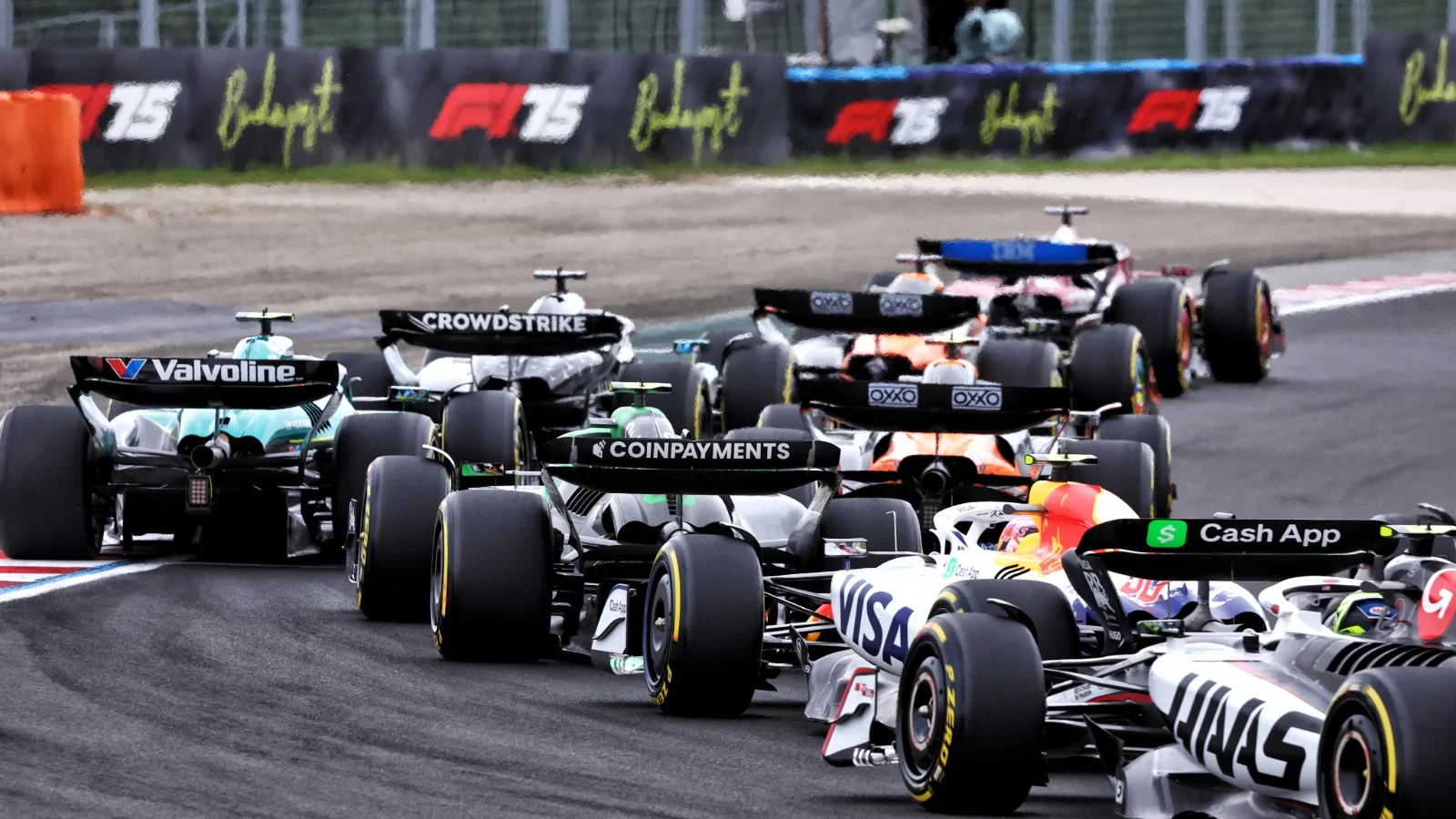

Formula 1 has successfully incorporated sprint races into its race weekends since their debut in 2021, now featuring in about a quarter of the season‘s events. Stefano Domenicali, the CEO of F1, recently shared on The Race’s podcast that the governing body is considering introducing a reverse grid format for these sprint races, where the top 10 qualifiers would start in reverse order. This concept, familiar in Formula 2 and Formula 3, would place the driver who qualifies 10th on pole for the sprint, while the fastest qualifier would start 10th.
Domenicali expressed openness to experimenting with new ideas and acknowledged a readiness to take risks. However, many experts question whether such a change suits the championship, often described as motorsport’s ultimate competition, due to potential complications from reversing the grid in sprint races.
Challenges and Risks of Applying Reverse Grids in F1
Looking at other motorsports like NASCAR, the introduction of gimmicks—such as playoffs, stage racing, and random in-season tournaments—has often met with criticism and dissatisfaction among fans and competitors. These approaches, designed to increase unpredictability, have tended to diminish traditional competition rather than enhance it.
While reverse grids add excitement in lower-tier racing series where the stakes are lower, adopting this format in Formula 1 presents significant challenges. It risks encouraging strategic manipulation from top drivers who might deliberately aim to qualify 10th rather than setting their fastest lap times in Q3, creating distortions in the qualifying process.
Drivers with skills and experience, such as Max Verstappen, Lando Norris, Oscar Piastri, George Russell, Lewis Hamilton, and Charles Leclerc, could exploit the system to start from a more advantageous position in the sprint race. This kind of tactical behavior would negatively impact the integrity of qualifying and likely cause frustration among competitors, especially those vying for the world championship.
The Potential Fallout from Reverse Grid Sprint Races
Should Formula 1 implement a reverse grid for sprint events, the format would probably undermine competitive fairness and the sport’s longstanding emphasis on merit-based results. The potential backlash from drivers and fans alike could harm the sport’s reputation. Since sprint races now make up a significant portion of the calendar, any shortcomings in the format would be amplified.
Although the goal is to increase excitement for viewers, the reverse grid proposal may ultimately complicate the championship battles and reduce the product’s appeal. Domenicali’s intention to innovate is clear, but many insiders believe this particular idea may do more harm than good in the highly competitive environment of Formula 1.