
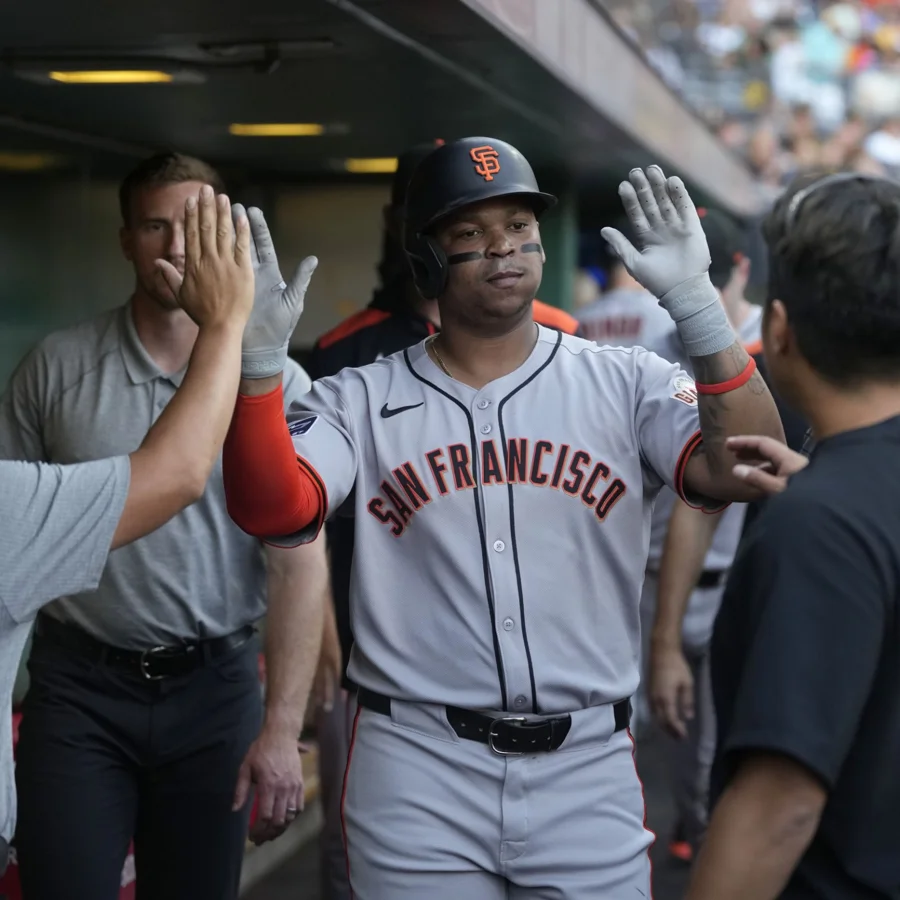

Earlier this year, the unexpected trade of Rafael Devers to the San Francisco Giants shocked fans and analysts alike, especially given Devers’ status as a cornerstone player for the Boston Red Sox. The trade came after Boston signed Alex Bregman to play third base, signaling a shift in their roster priorities. Despite sending away their top hitter, the Sox have managed to hold steady, posting a 29-20 record and securing the second wild card spot in the American League. Remarkably, Boston now leads the league in scoring offense.
Interestingly, the players Boston received in return have not made significant contributions at the major league level so far. Jordan Hicks, a veteran reliever, has struggled with a 6.23 ERA in 13 innings, while Kyle Harrison and Jose Bello remain in the minors. James Tibbs III, another prospect involved, was later traded for Dustin May, who has shown promise in his first two starts with the Sox.
Though immediate returns have been limited, the trade could still prove beneficial in the long run. Kyle Harrison is close to making his MLB debut, and Dustin May’s early performances suggest he could become a key pitching asset. These additions may strengthen Boston’s staff as the season progresses, potentially offsetting the loss of Devers.
Giants’ Struggles Since Acquiring Rafael Devers
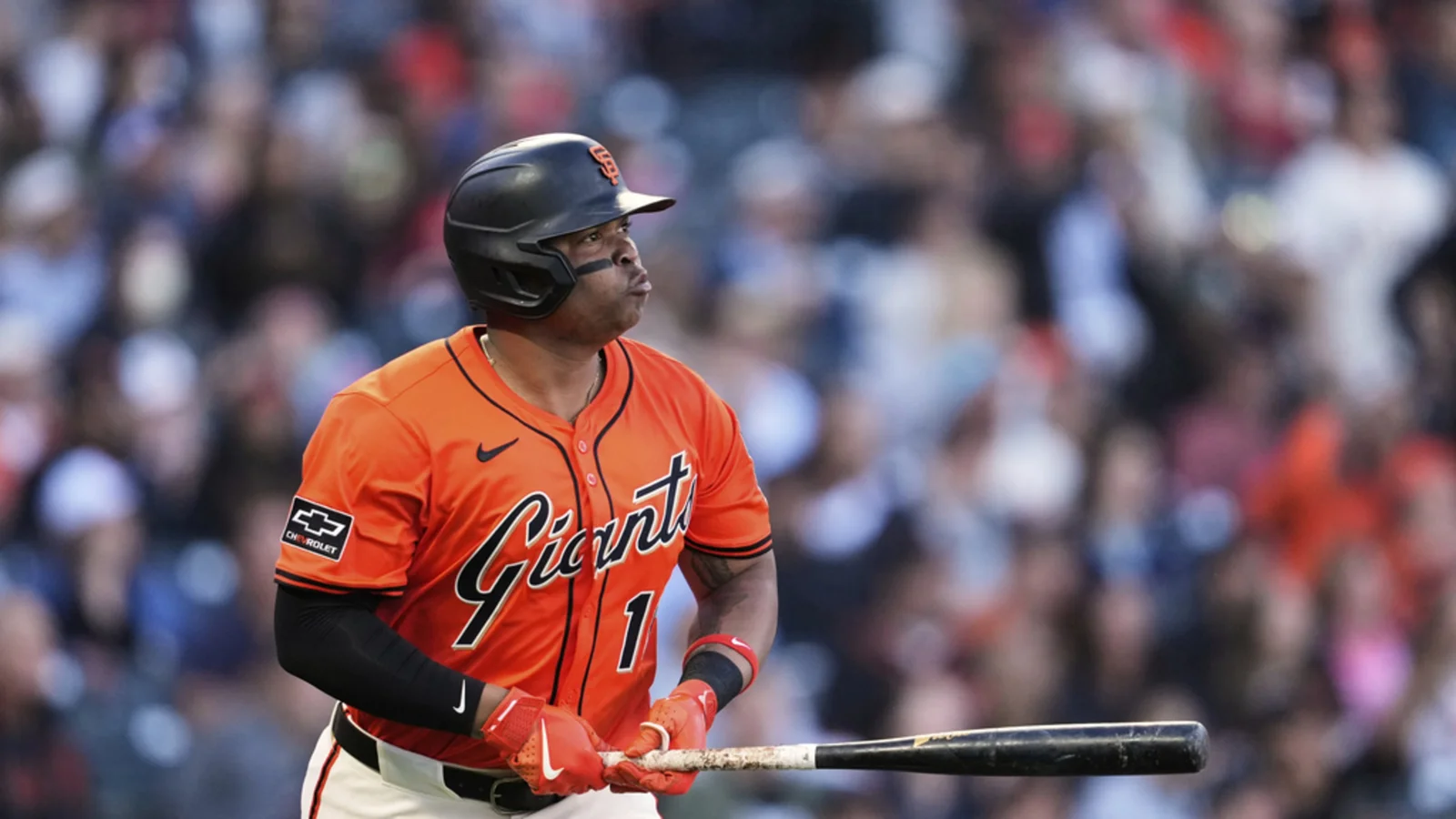
In contrast to the Red Sox’s relative success, the San Francisco Giants have faltered since the trade. Their record since June 15th stands at 18-31, with the team currently enduring a five-game losing streak following a sweep by the Padres. Sitting 5.5 games behind the final wild card spot, the Giants’ postseason hopes appear bleak.
Devers’ performance for San Francisco has been underwhelming. Offensively, he has produced a .755 OPS with eight home runs but has only contributed around 0.5 bWAR. The adjustment to San Francisco’s pitcher-friendly ballpark seems to have hampered his usual slugging ability. Moreover, the team’s overall offense ranks as the second worst in the National League for OPS, showing that Devers alone cannot turn their fortunes around. The trade has yet to yield any significant advantage for the Giants.
Comparing the Devers Trade to the Red Sox’s Past Roster Moves
The decision to trade Devers echoes a similar situation faced by Boston during their 2004 championship era, particularly the trade involving Nomar Garciaparra. In both cases, the Red Sox parted with a franchise player because they did not see him as part of their long-term plans. Neither trade brought immediate elite MLB-ready talent but aimed at reshaping the team’s core.
While Kyle Harrison and Dustin May have the potential to be impactful players in Boston’s future—much like Orlando Cabrera was over 20 years ago—it is clear that the Sox are choosing not to depend on Devers going forward. Whether this strategy will pay off remains uncertain, but thus far, Boston’s ability to thrive without their former star suggests that the gamble may be working in their favor.