
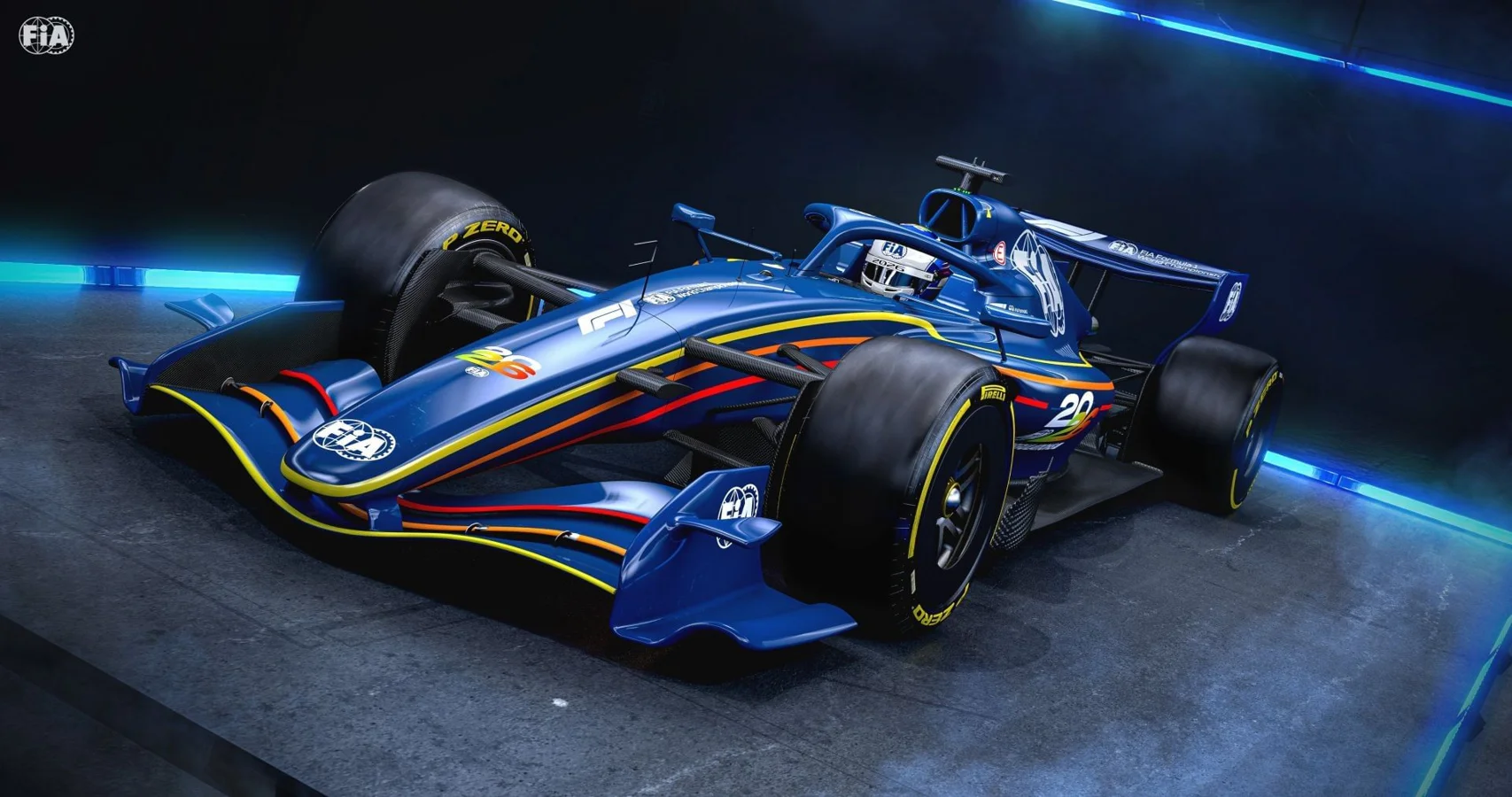

Formula 1 is preparing to implement significant technical regulation changes for the 2026 season, marking one of the most substantial shifts since the introduction of V6 Turbo Hybrid engines in 2014. As teams shift focus beyond mid-2025, these new rules will reshape power units, chassis design, aerodynamics, and fuel usage, impacting how cars perform and compete on circuits worldwide.
Power Unit Enhancements Focus on Increased Battery Output
The 2026 regulations will maintain the 1.6-liter V6 Turbo Hybrid engine format currently used, but with a greater emphasis on battery and electric motor assistance. Under present rules, 80% of power comes from the internal combustion engine, while the electric system contributes 20%. For 2026, the combustion engine’s output is expected to drop from 560 kW to 400 kW, while the electric motor, specifically the motor-generator unit kinetic (MGUK), will see a significant power boost from 120 kW to 350 kW.
The motor-generator unit heat (MGUH) that generates electricity from exhaust gases will be removed entirely. In compensation, brake energy recovery will be doubled, with regenerative braking capturing up to 8.5 megajoules per lap to support the enhanced battery system.
This change presents new challenges for manufacturers. Simulations indicate that on power-dependent tracks like Monza, where long straights dominate, the battery may deplete during these stretches due to insufficient opportunities to regenerate energy.
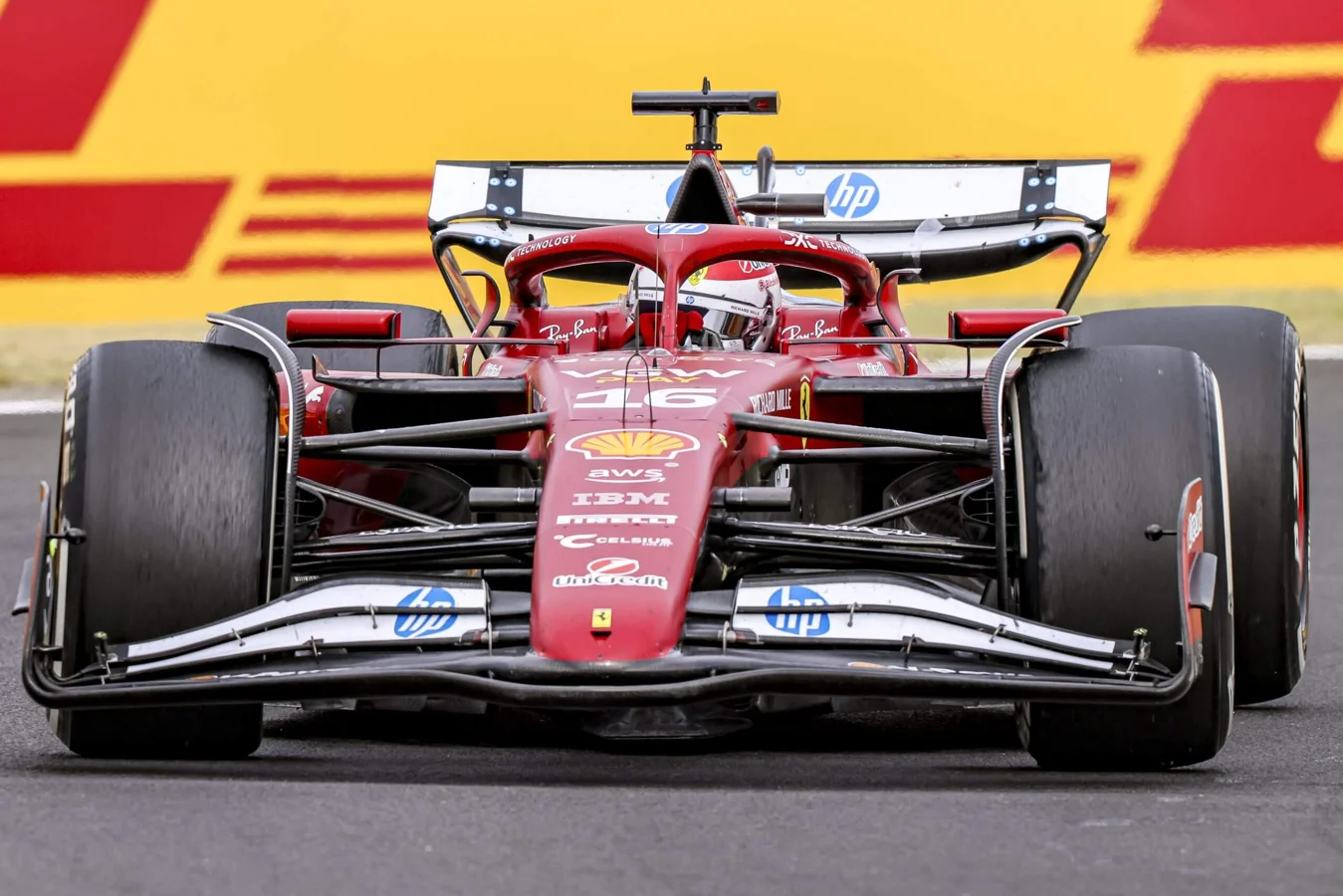
Chassis Downsized to Promote Closer Racing and Better Overtaking
The physical size of F1 cars will be reduced in 2026 after years of increase that have made overtaking especially difficult at narrow circuits such as Monaco. The wheelbase will shrink by 200 millimeters to a total length of 3400 millimeters, and the car’s width will fall by 100 millimeters to 1900 millimeters.
The minimum car weight will also decrease, cutting 30 kilograms to reach 768 kilograms. These reductions aim to create lighter, more agile cars capable of closer competition and improved maneuverability on tight tracks.
Advanced Active Aerodynamics to Replace Current DRS Mechanism
The aerodynamic regulations introduced in 2022 aimed to facilitate wheel-to-wheel racing by managing turbulent air behind cars, but their effectiveness has been limited. The 2026 changes will advance this mission with active aerodynamic elements integrated into both front and rear wings, moving beyond the current Drag Reduction System (DRS).
Instead of a simple flap opening at the rear, cars will feature two aerodynamic states known as X-mode and Z-mode. Z-mode, the default setting, pushes the wings into a more aggressive, higher downforce angle with increased drag, enhancing cornering strength. On straights, drivers may switch to X-mode, which positions wing elements more shallowly to reduce drag and increase top speed.
Additionally, the notorious “porpoising” effect caused by ground-effect designs in the current generation will be addressed by eliminating venturi tunnels along the floor and returning to a flat underbody configuration.
Transition to Fully Sustainable Fuel by 2026
Formula 1 will fully adopt sustainable fuels starting in 2026, replacing the current E10 blend composed of 90% fossil fuels and 10% ethanol. This milestone aligns with F1’s broader strategy to achieve net-zero carbon emissions by 2030 and demonstrates the sport’s commitment to environmental responsibility and innovation.
Tire Dimensions Adjusted to Complement New Regulations
While the 18-inch rim size on F1 cars will remain unchanged for 2026, tire widths will be reduced to support the lighter car and aerodynamic updates. Front tires will decrease by 25 millimeters to 280 millimeters wide, and rear tires will shrink by 30 millimeters to 375 millimeters, aiding in reducing unsprung mass and improving handling dynamics.
These combined changes reflect a decisive shift in how Formula 1 approaches technology and race performance, balancing sustainability goals with competitive car design.