
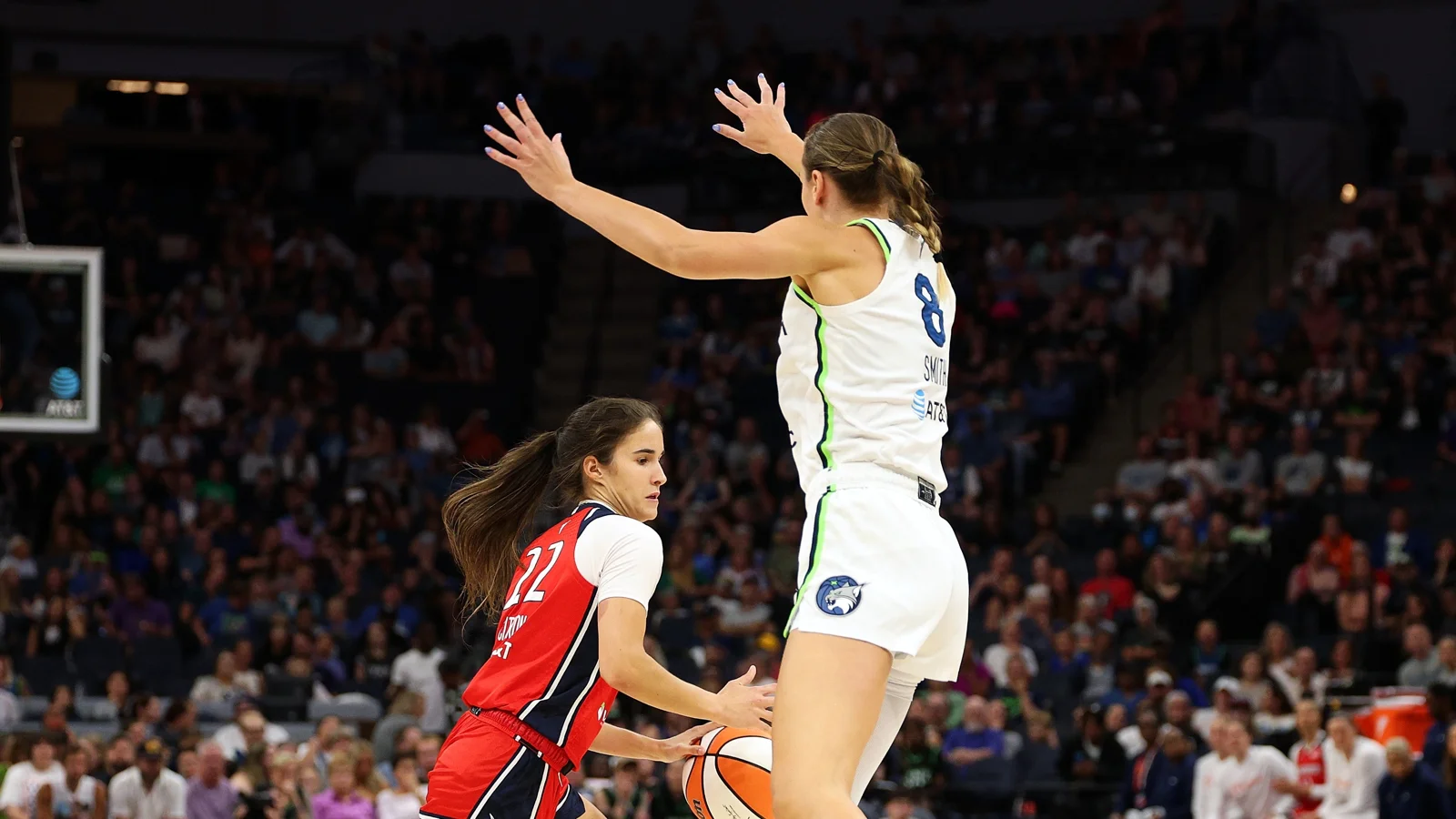

The intense competition between Angel Reese and Caitlin Clark has energized women’s basketball, drawing widespread attention and record-breaking television viewership. However, alongside this excitement lies a harsher reality of constant public scrutiny, particularly on social media platforms, highlighting increased emotional challenges for young athletes.
Michelle Obama recently addressed these pressures during a conversation on All The Smoke, emphasizing the emotional strain that arises from today’s digital environment surrounding sports figures, especially emerging stars.
I think the tough thing is the social media element to it, but that’s true across the board,
Obama noted.
It just takes a normal occurrence… these young kids today have to go through and be able to withstand, because social media is such a huge part of their world.
—Michelle Obama, Former First Lady
The Emotional Weight of Online Harassment on Players
Obama’s comments shed light on the harsh nature of the backlash faced by Reese and Clark. Though both are exceptional athletes, their prominence brings relentless scrutiny that often crosses the line into cruelty. This negativity does not remain confined to public forums but invades their personal spaces and private moments.
Caitlin Clark, known for her remarkable performances as a guard with the Indiana Fever, arrived in the <a href=”https://www.buzzineintl.com/category/basketball/wnba/”>WNBA carrying significant high expectations, while Angel Reese captivates fans with her commanding defense and physical play. Their encounters have transformed into major cultural moments fueled by viral content and passionate fan reactions.
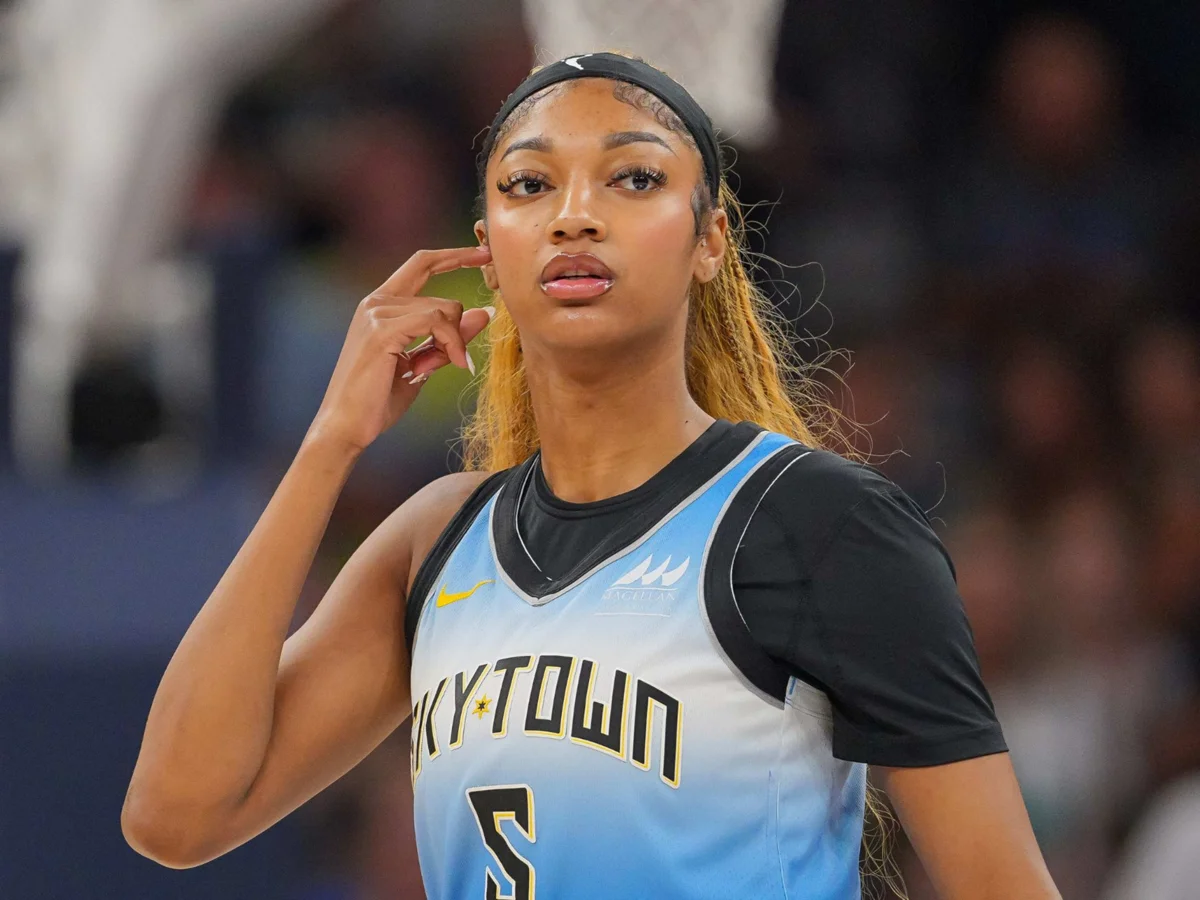
Nonetheless, with every celebrated highlight, these athletes are confronted by waves of criticism and derogatory remarks. Obama stresses the unique challenge of managing this hostile environment when it exists where the players live and relax.
But now the hate is in your room on your phone with you all the time, and you can’t tell these kids to turn it off, because they’re making their living that way. They’re expected to stay engaged. As you point out, that’s happening across sports across gender. It’s just harder now to withstand people’s horrible, horrible opinions.
—Michelle Obama, Former First Lady
Urgent Need for Enhanced Support Within the WNBA
This moment represents a critical juncture for the WNBA, which is experiencing unprecedented attention partly due to this high-profile rivalry. The league faces the complex task of balancing growing fan enthusiasm with protecting the well-being of its players. Strengthening mental health resources, providing media training, and ensuring access to professional counseling are essential steps forward.
Michelle Obama highlights that expecting players to simply block out negative commentary is unrealistic when the abuse is directly delivered through their personal devices. The mental toll extends beyond the game and press engagements, affecting their day-to-day lives.
Both Reese and Clark embody the future of women’s basketball and have the potential to transform how athletes, especially women, are represented. However, as much as their rivalry fuels excitement, fans and observers must approach it with compassion and understanding. This issue transcends sport, touching on how society supports and respects the next generation of leaders in women’s athletics.