

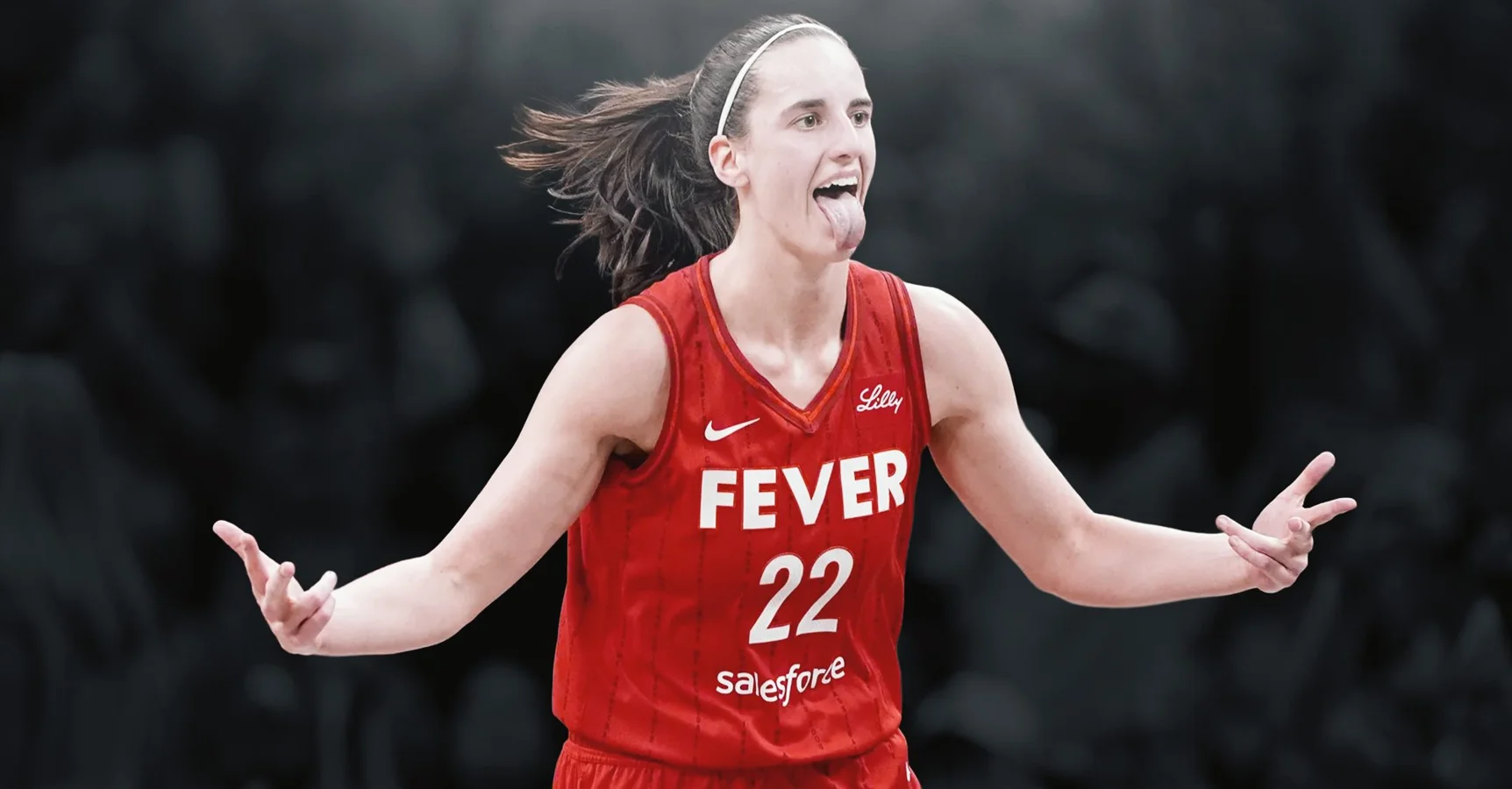
The ongoing discussion about who truly represents the WNBA’s brand has intensified with the emergence of Caitlin Clark and Angel Reese. Golden State Warriors champion Draymond Green weighed in decisively, naming Caitlin Clark the undisputed face of the WNBA. His endorsement comes amid debates that consider both achievements and popularity as key factors in defining the league’s prominent figure.
Green highlighted Clark’s status during a conversation on the social media platform Threads, stating without hesitation that Clark is the WNBA’s top star. His opinion draws from firsthand experience as a four-time <a href=”https://www.buzzineintl.com/category/basketball/nba/”>NBA winner familiar with the importance of both talent and marketability in professional basketball.
Branding Versus Accomplishments in the WNBA Spotlight
The question of the WNBA’s leading personality often divides opinion. Some argue that championship titles and veteran stature establish the league’s face, with figures like A’ja Wilson and Breanna Stewart cited as examples. Conversely, newer personalities such as Caitlin Clark and Angel Reese garner attention through their energetic playstyles and growing fanbases, fueling a different kind of recognition.
While Reese’s reputation is rapidly expanding—especially among younger fans—Clark’s brand has earned strong support from established basketball voices, emphasizing the impact she has beyond just her on-court performances.
Draymond Green Criticizes Team USA Olympic Omission of Caitlin Clark
Green has been outspoken not only in praising Clark but also in criticizing decisions that overlooked her for Team USA’s 2024 Olympic roster. He stressed the significance of including a player of Clark’s stature, noting the importance of brand visibility for the league’s growth.
“I think Caitlin Clark should have been on the USA Team. It’s great for the brand. We talk brand any other time, let’s not act like it doesn’t matter now,”
Green said.
He further emphasized Clark’s global appeal.
“The W is there, so it must be about spreading this globally, and she’s the biggest global star in women’s basketball.”
“Just from a pure branding and marketing standpoint, Caitlin’s the biggest.”
Angel Reese Gains Momentum with Signature Shoe Release
In contrast to Clark’s current lack of an official shoe, Angel Reese has secured a major milestone with the upcoming launch of her own signature shoe. The ‘Angel Reese 1‘ is slated for release on September 18, marking a significant step in Reese’s growing influence.
Reese’s endorsement portfolio extends beyond Reebok, which she has represented since the company’s re-entry into basketball two years ago under Shaquille O’Neal’s leadership. Her partnerships include several high-profile brands like McDonald’s, Hershey, Amazon, Beats by Dre, PlayStation, and Cash App, strengthening her status as a commercial leader in women’s sports.
Caitlin Clark Awaits Her Signature Shoe Amid Calls from WNBA Veterans
While Nike has committed to providing Clark with a signature shoe in the future, there has been no official announcement or timeline. This delay has sparked a public plea from three-time WNBA champion Diana Taurasi, who advocates for Clark to receive the recognition she deserves.
“Caitlin, of course,”
Taurasi said when asked who should get the next shoe.
“I mean, I know she has some (player exclusives), little colorways, but you can do that on Nike ID. I mean the next Caitlin shoe should be the next one, and you know my kids will be wearing it.”
Despite Reese’s expansive brand presence, the debate remains heated over who holds the title of the WNBA’s defining figure, with many endorsing Green’s view that Clark is the sport’s preeminent ambassador.
The Growing Influence of Caitlin Clark and Angel Reese on Women’s Basketball
The rivalry between Caitlin Clark and Angel Reese highlights a dynamic evolution within the WNBA, as star power shifts toward younger athletes who blend performance with marketability. Clark’s skillset and critics’ praise underscore her potential to elevate the league’s profile worldwide, while Reese’s commercial success illustrates the increasing value of athlete branding.
As both players continue their careers, their impact will likely shape the direction and visibility of women’s basketball for years to come. The conversation around the “face of the WNBA” symbolizes broader trends in sports culture where market appeal and athletic achievement increasingly intersect.