
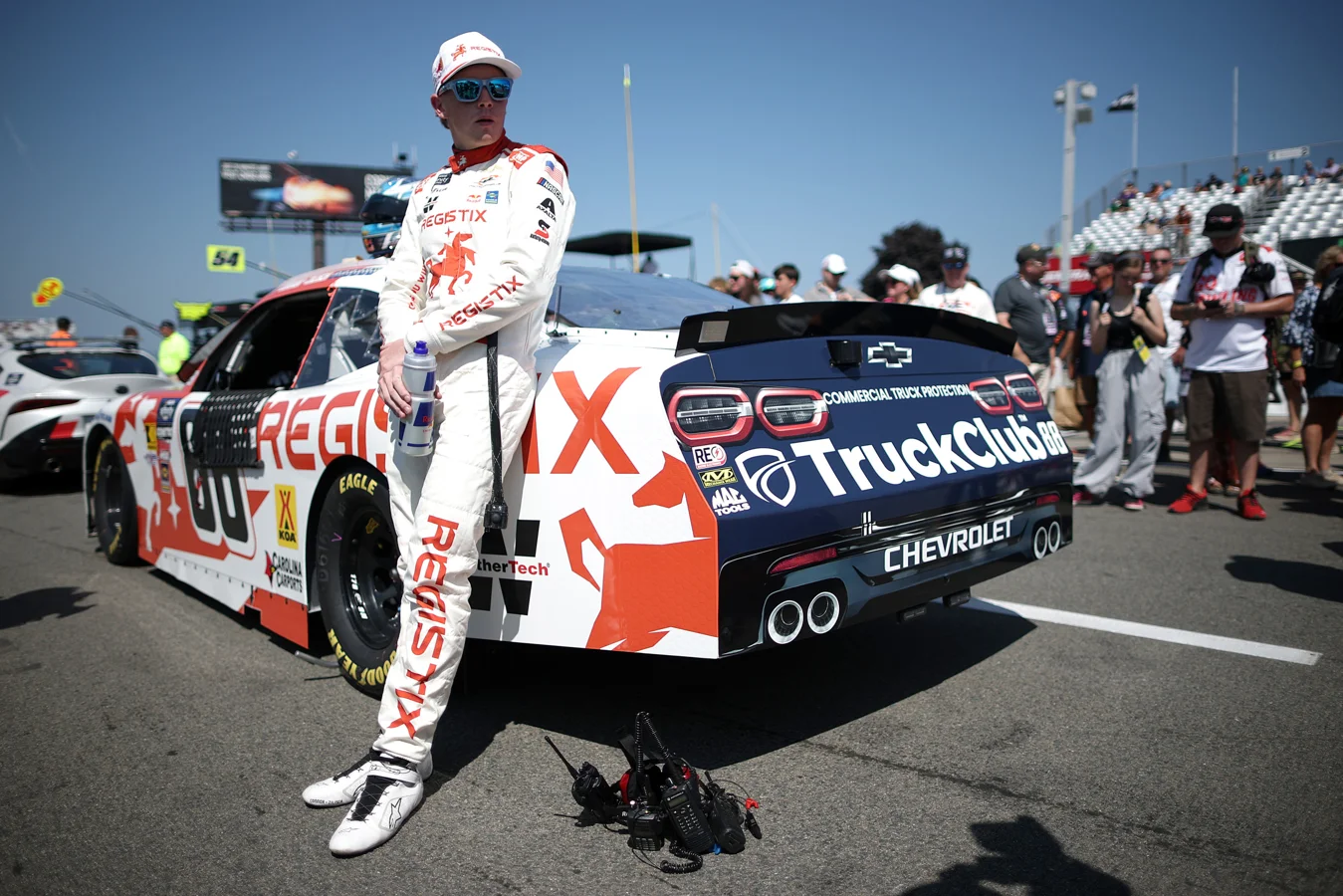

NASCAR driver Denny Hamlin openly shared his frustrations with the Next Gen cars during a recent episode of the Actions Detrimental podcast, highlighting what he calls a “fundamental problem” with the new vehicle design. Speaking in the wake of Shane van Gisbergen’s win at Watkins Glen, Hamlin pointed out that both drivers and fans are increasingly dissatisfied with the Next Gen cars, marking a significant issue for NASCAR’s popularity and the quality of racing. The No. 11 driver drew a parallel to the Car of Tomorrow (COOT), which he described as a step backward in terms of racing performance.
Reflections on Past NASCAR Models and Racing Quality
Hamlin contrasted the Next Gen cars with NASCAR’s previous Gen 4 models, which raced from 1992 to 2007 and shared similarities with cars in today’s Xfinity Series. Referring to an Xfinity race he recently watched, Hamlin noted how the leaders were tightly packed, creating a scenario where no driver could break away because any challenge from the second-place contender would disrupt the entire pack.
“I was watching the Xfinity race, and it was like gosh dang, you saw these leaders all in a clump, and nobody could get away because all it took was the second-place guy to get close to the leader, and it would get them all out of shape, and then they couldn’t go anywhere.”
—Denny Hamlin, NASCAR Driver
This observation underscores Hamlin’s concern that the racing dynamics have deteriorated with the introduction of the Next Gen car.
Critique of Decision-Making Processes Impacting NASCAR’s Direction
Hamlin attributed the ongoing issues with the Next Gen vehicles to poor executive decisions made far from the racetrack, metaphorically describing a disconnect between those making critical choices and the drivers themselves. He expressed frustration over such influences, conveying a sense of helplessness despite his front-row perspective on the consequences of these moves.
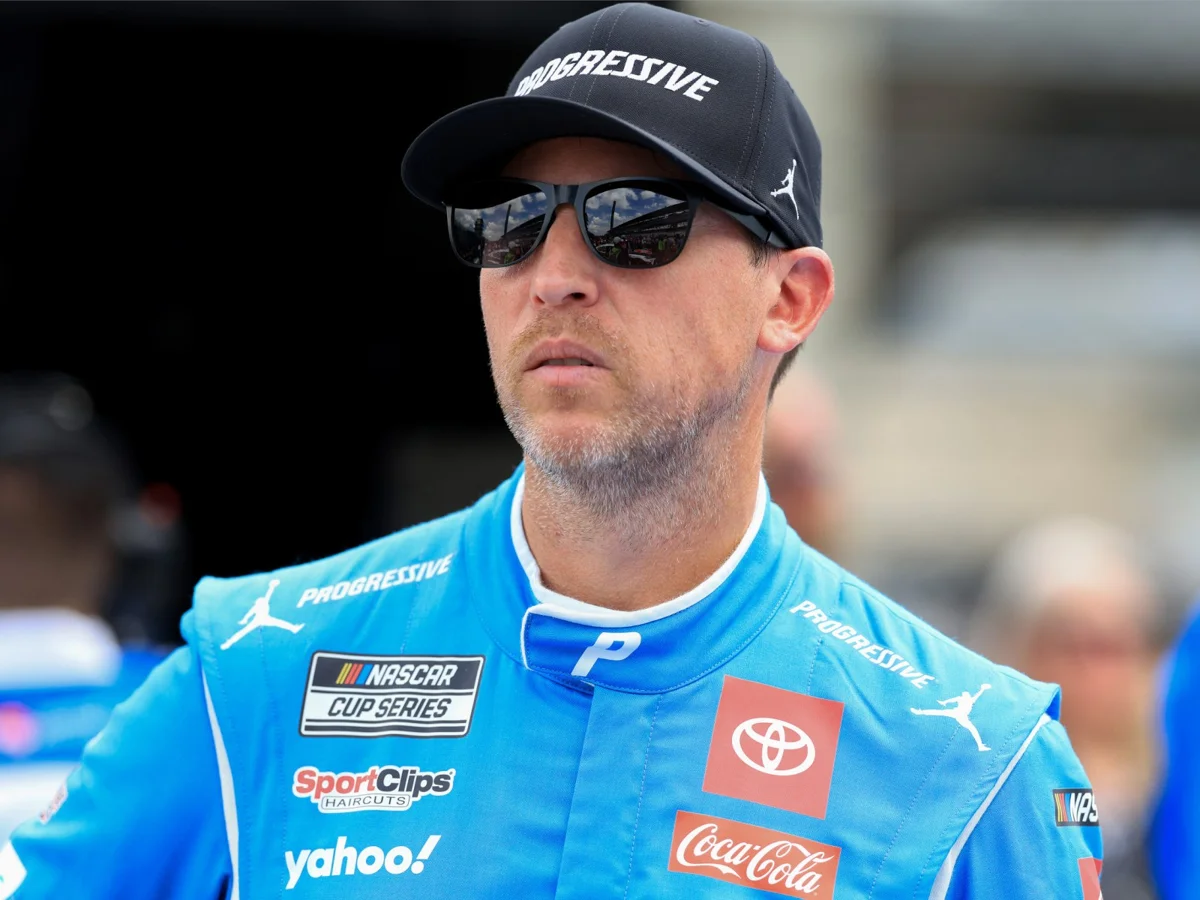
“These are decisions that get made from beyond our offices — these are 10th-floor decisions, and let’s just say us drivers are on the third floor. I hate to say it, but no business is immune to bad decisions, and I think the NASCAR business has made some horrible decisions over a given amount of time.”
—Denny Hamlin, NASCAR Driver
His comments highlight a tension within NASCAR’s hierarchy that may affect the sport’s future growth and fan engagement.
Technical Overview: Power and Performance of the Next Gen Cars
The Next Gen cars currently deployed in NASCAR generate 670 horsepower on most tracks, with exceptions for Talladega and Daytona, where horsepower is limited to 510. This reduction in power has been a key factor in Hamlin’s critique and has led to polarizing opinions among drivers and insiders. The car’s design, intended to modernize NASCAR racing, has thus sparked debate over whether it enhances or hinders competition and excitement on the track.
Personal Life Updates on Denny Hamlin and Jordan Fish
Outside of racing, Denny Hamlin and his fiancée Jordan Fish have recently shared glimpses into their family life with fans. Fish posted on Instagram about their daughters, Taylor and Molly, returning to school after summer break, along with an adorable image of their newborn son, Jameson Drew Hamlin, in a carrier. Alongside the familial updates, she also highlighted her support for phone-free classrooms by sharing a video of an Alabama teacher advocating for the #FOCUSAct, indicating her interest in educational reforms.
The Broader Impact on NASCAR and What Lies Ahead
Denny Hamlin’s critique sheds light on growing dissatisfaction within the NASCAR community regarding the Next Gen car. His concerns reveal underlying tensions that could impact the sport’s popularity if unresolved, as racing quality is central to fan enthusiasm and driver engagement. Moving forward, NASCAR’s leadership may need to reconsider vehicle design decisions carefully, balancing innovation with the racing experience that drivers and fans expect. The ongoing debates suggest the Next Gen car controversy will remain a pivotal issue affecting NASCAR’s direction in the near future.