
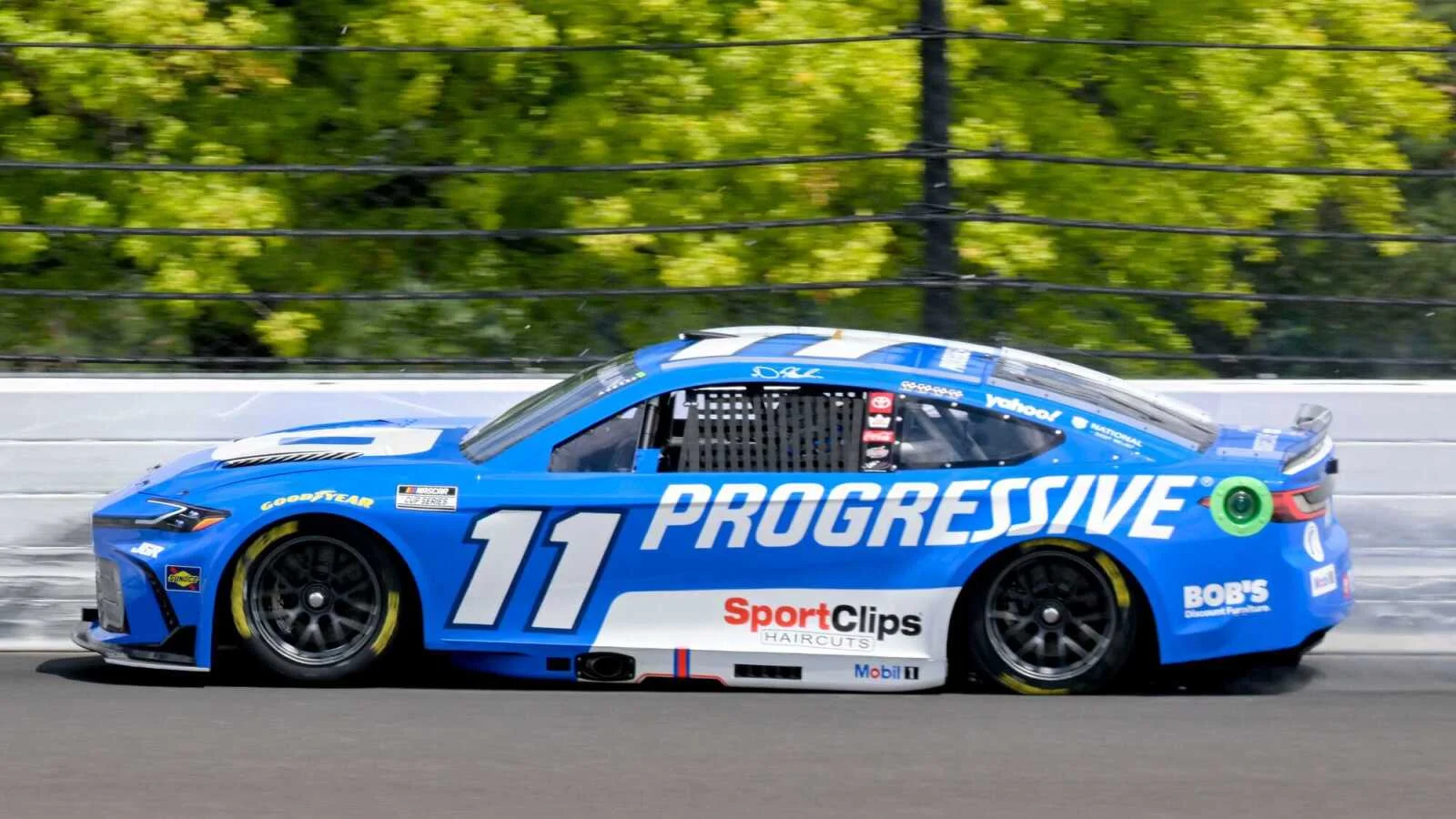

Denny Hamlin, the seasoned NASCAR driver with 58 Cup Series victories, has recently updated his winning formula amid ongoing efforts to secure a championship title. The 44-year-old veteran, racing in the highly competitive environment shaped by Next Gen cars since 2022, now emphasizes driver skill more than luck in achieving success.
Reassessing Factors in NASCAR Success: From Luck to Skill
Back in 2012, Hamlin proposed a widely accepted formula for winning in NASCAR: 40 percent attributed to the driver’s capability, 40 percent to the car and team, and 20 percent to luck. This breakdown reflected the significant role that team effort and chance played alongside driver talent. However, following years of near-championship finishes and the introduction of Next Gen cars—designed to promote parity among competitors—Hamlin reevaluated his perspective.
In a detailed conversation with The Athletic, Hamlin initially suggested adjusting the formula to 40 percent driver, 30 percent car and team, and 30 percent luck. He reasoned,
“Cars aren’t quite as much of a factor because they’re more similar now, and luck because of the parity and since the cars all run the same speed.”
Yet, this approach did not settle with him.
Reflecting further, Hamlin decided to revise the percentages again and communicated his new assessment:
“After thinking about it more, I believe these are the correct percentages in today’s world: Driver 65 percent, team 25 percent, luck 10 percent.”
This marked a significant shift, with driver skill now seen as the dominant factor in securing wins.
Why Driver Skill Outweighs Luck and Equipment
The reason behind Hamlin’s reduction of luck’s impact lies in his belief that skillful drivers generate more chances to win.
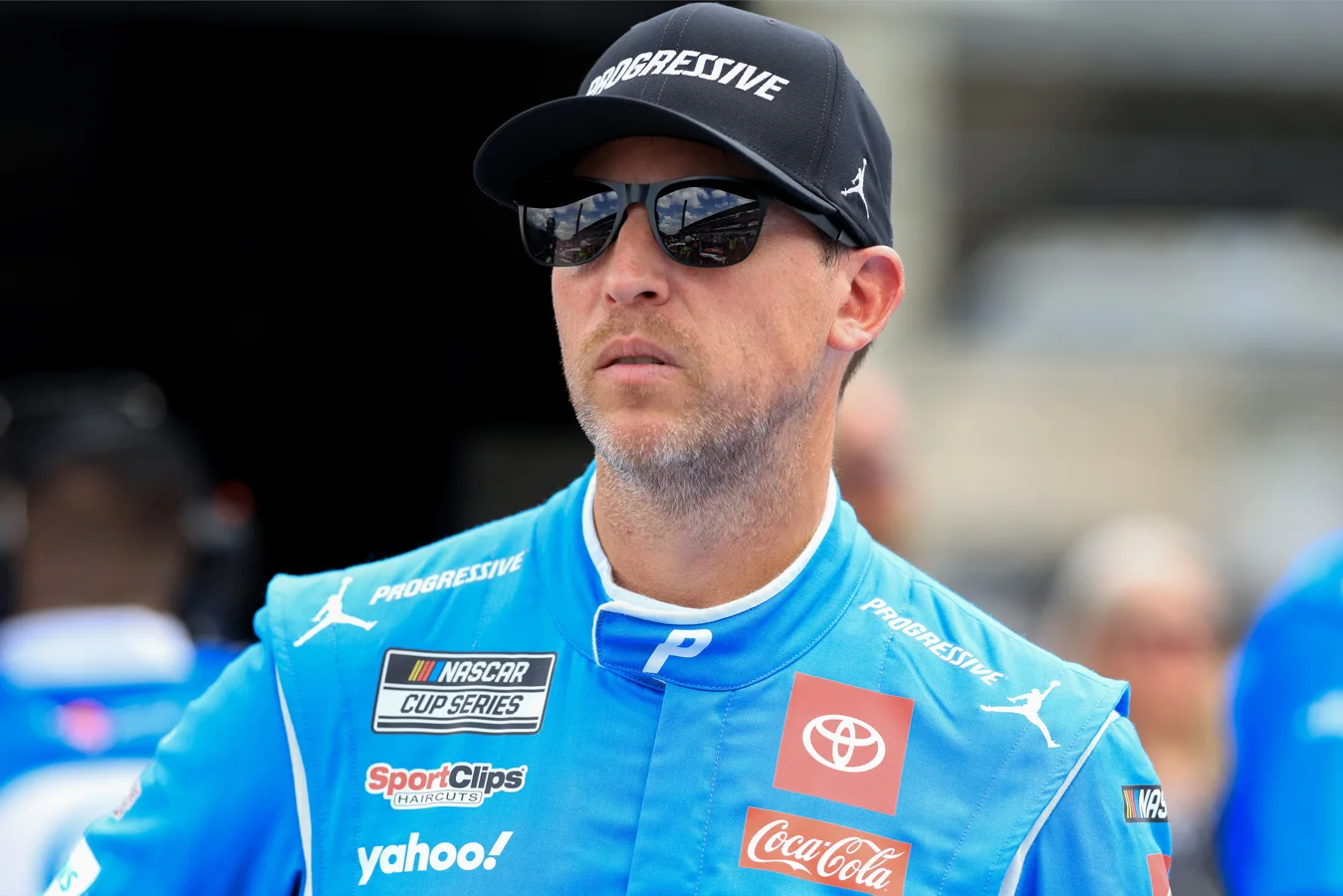
“I lowered luck because it’s not a factor in winning as much as being good is,”
he explained.
“It is still a factor in some wins, but great drivers have more opportunities to win because of their skill level.”
Hamlin also acknowledged that while the team remains important, the capabilities of Next Gen cars limit how much teams can differentiate their vehicles. He pointed out,
“Team does matter, but with the Next Gen, you can’t build the difference in cars like you used to. The driver is the one who sends team in a direction to make the cars fast, thus being the most important.”
Hamlin’s view emphasizes that with cars engineered to perform similarly, races become more about who drives best rather than who has the superior equipment or luck. This mentality contrasts with past eras when car advantages and chance had larger influences on race outcomes.
The current Next Gen cars, however, face criticism from fans and drivers alike, who argue these vehicles produce less engaging races, especially on short ovals and tracks with multiple turns. Hamlin compared the Next Gen cars to those used in the Xfinity Series, which are older yet faster and facilitate closer racing. In those races, competitors remain grouped tightly, with leaders unable to easily break away, making for heightened excitement. He suggested the following: the Next Gen cars reduce this type of dynamic racing, which diminishes both car and luck’s roles in outcomes.
Ongoing Championship Quest and Evolving Career Reflections
Despite his success, Hamlin has yet to claim a Cup Series championship. However, his persistence is evident as he continues competing strongly at age 44. In the 2025 NASCAR season, he has already recorded four victories, solidifying his status as one of the field’s top drivers.
In a recent interview with motorsports journalist Jeff Gluck, part of the ‘12 Questions’ series, Hamlin revealed how his thoughts on retirement have shifted markedly over the years. In 2010, a younger Hamlin projected retirement by age 37 or 38, saying,
“There’s too much outside of racing to do this until I’m 50 or whatever.”
At the time, he believed a decade-long career was his limit.
Now, Hamlin’s approach is less defined by age and more driven by performance. Reflecting on this change, he admitted,
“I’m clearly not good at predicting.”
This acceptance suggests that as long as he remains competitive and continues winning, he intends to keep racing, hoping to eventually secure the elusive championship before retiring.
Hamlin’s revised winning formula and career outlook highlight both the evolving nature of NASCAR competition and his unwavering dedication to success. By placing greater emphasis on driver ability and adapting to technological changes, he sets a blueprint for how today’s drivers can navigate the sport’s shifting landscape.