
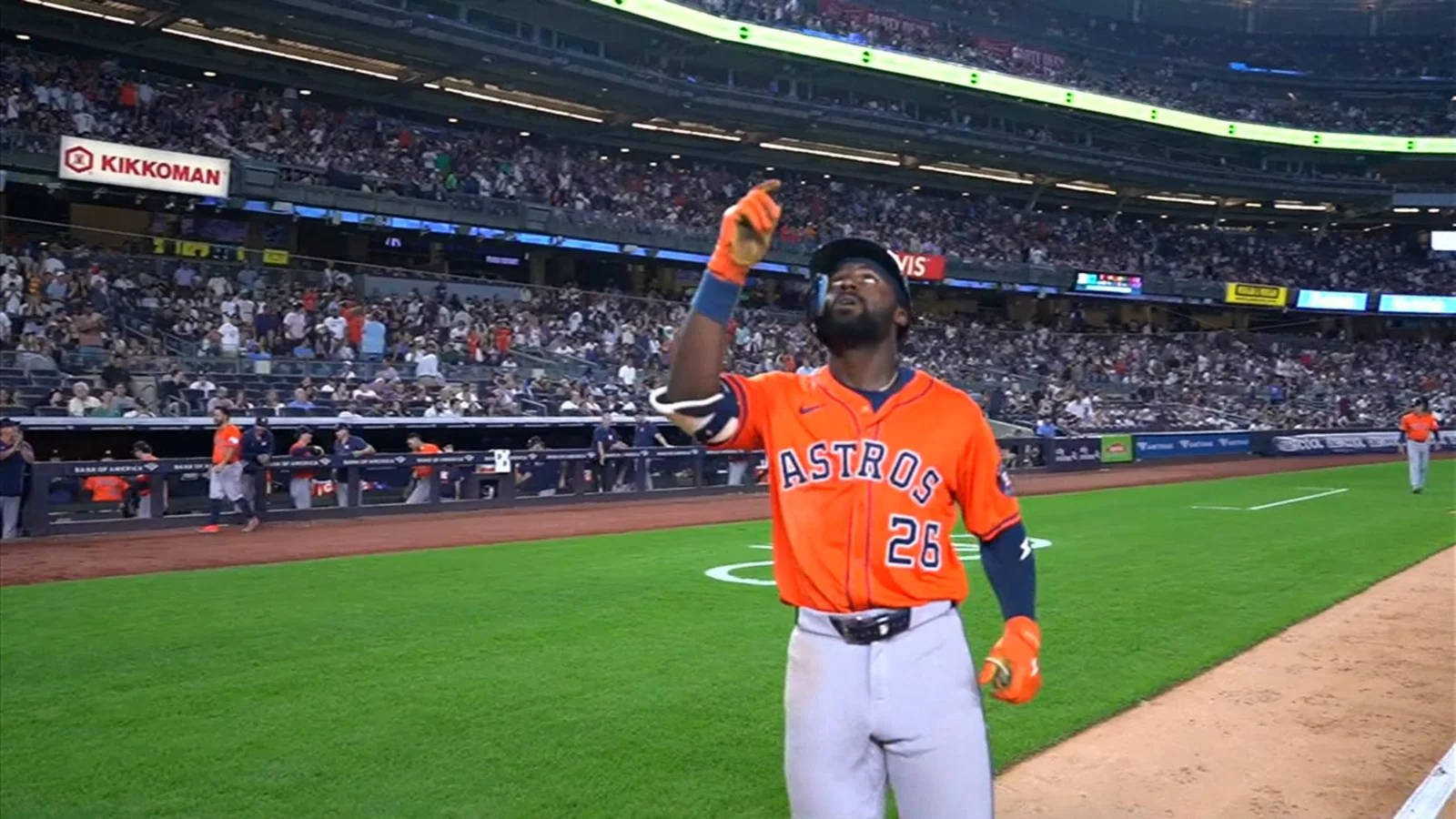

The Los Angeles Dodgers, known for their success in revitalizing struggling pitchers, are now focusing on Devin Williams for a bullpen resurgence. Once a dominant closer, Williams’ recent challenges with the New York Yankees have opened the door for a fresh start, with the Dodgers offering a low-risk, high-reward one-year contract to harness his potential.
Williams, who previously relied on his exceptional changeup and late-game composure to shut down batters, has experienced diminished command and strikeout ability during his time in New York. However, the Dodgers’ proven approach to reinvigorating pitchers gives Williams a promising environment for a comeback.
Strategic Approach Behind the Dodgers’ Plan for Williams
The Dodgers’ strategy centers on leveraging a pitcher’s strongest assets and simplifying their pitching arsenal to maximize effectiveness. For Williams, that means emphasizing his renowned Airbender changeup while improving his fastball command and reducing pitch variety to focus on the most reliable options. This method prioritizes quality over quantity in pitch selection, tailoring his game to situations where he can excel.
The one-year contract appeals to Williams as it provides a high-visibility platform coupled with the flexibility for both parties. The Dodgers’ bullpen management excels at creating matchup-based roles that expose pitchers’ strengths and minimize weaknesses. This structure gives Williams the best chance to rebuild confidence and performance without the pressure of a long-term deal.
The change in venue could also be advantageous. Yankee Stadium’s difficult pitching environment and the tough AL East schedule have contributed to Williams’ struggles. In contrast, Dodger Stadium offers a more pitcher-friendly setting, and the overall schedule may give Williams opportunities to regain form gradually with less immediate intensity.
Projected Role and Potential Impact Within the Dodgers Bullpen
If Williams returns to form, he could take on a crucial role as a setup man or even split closing duties, helping shorten games during the pressure-packed postseason months. Should the rebound not meet expectations, the Dodgers retain flexibility to adjust their bullpen without notable financial concerns, leaving Williams with access to top-tier coaching and development resources to aid his recovery.
For the Yankees, parting ways with Williams appears to be driven by practical roster management. The presence of emerging younger pitchers and uncertainty around Williams’ role make a fresh start elsewhere a logical path. Although this acquisition may not draw widespread attention, it fits the Dodgers’ pattern of making effective bullpen additions that have a major impact when it matters most.
This signing represents a calculated gamble for the Dodgers, betting on Williams’ ability to reclaim a significant portion of his former dominance and contribute to a deep postseason run.