

In the earliest era of Formula 1 racing, drivers often prioritized comfort rather than protection, frequently competing in polo shirts or work jackets that provided no fire resistance or impact protection. Over time, the critical need for driver safety led to a complete overhaul of racing apparel, with each piece becoming carefully engineered to withstand extreme conditions throughout the sport’s 75-year history.
Initially, during the 1950s and early 1960s, only a few drivers wore overalls, and those suits were made entirely from cotton, offering minimal defense against fire hazards. Famous driver Juan Manuel Fangio, for example, raced in a simple polo shirt, reflecting the era’s disregard for protective gear. However, several fatal fire incidents in the early 1960s pushed the Fédération Internationale de l’Automobile (FIA) to mandate fire-retardant clothing in 1963, though the suits continued to be made from cotton initially.
A turning point came after Niki Lauda’s horrific crash in 1976, where he suffered severe burns. The incident exposed the inadequacy of cotton suits, prompting many drivers to adopt NASA-standard garments comprised of multiple layers of Nomex, a fireproof synthetic fiber. This movement highlighted the urgent necessity for superior fire protection within F1.
FIA regulations gradually tightened, requiring that driver suits be fashioned entirely from fire-resistant materials. The 8856-2018 regulations set out stringent standards for all racing gear, including suits, gloves, boots, and underwear. Modern uniforms incorporate Nomex along with Kevlar and Teflon layers to enhance fire resistance and durability, reflecting decades of innovation driven by safety concerns.
The development of helmets from basic caps to high-tech protective gear
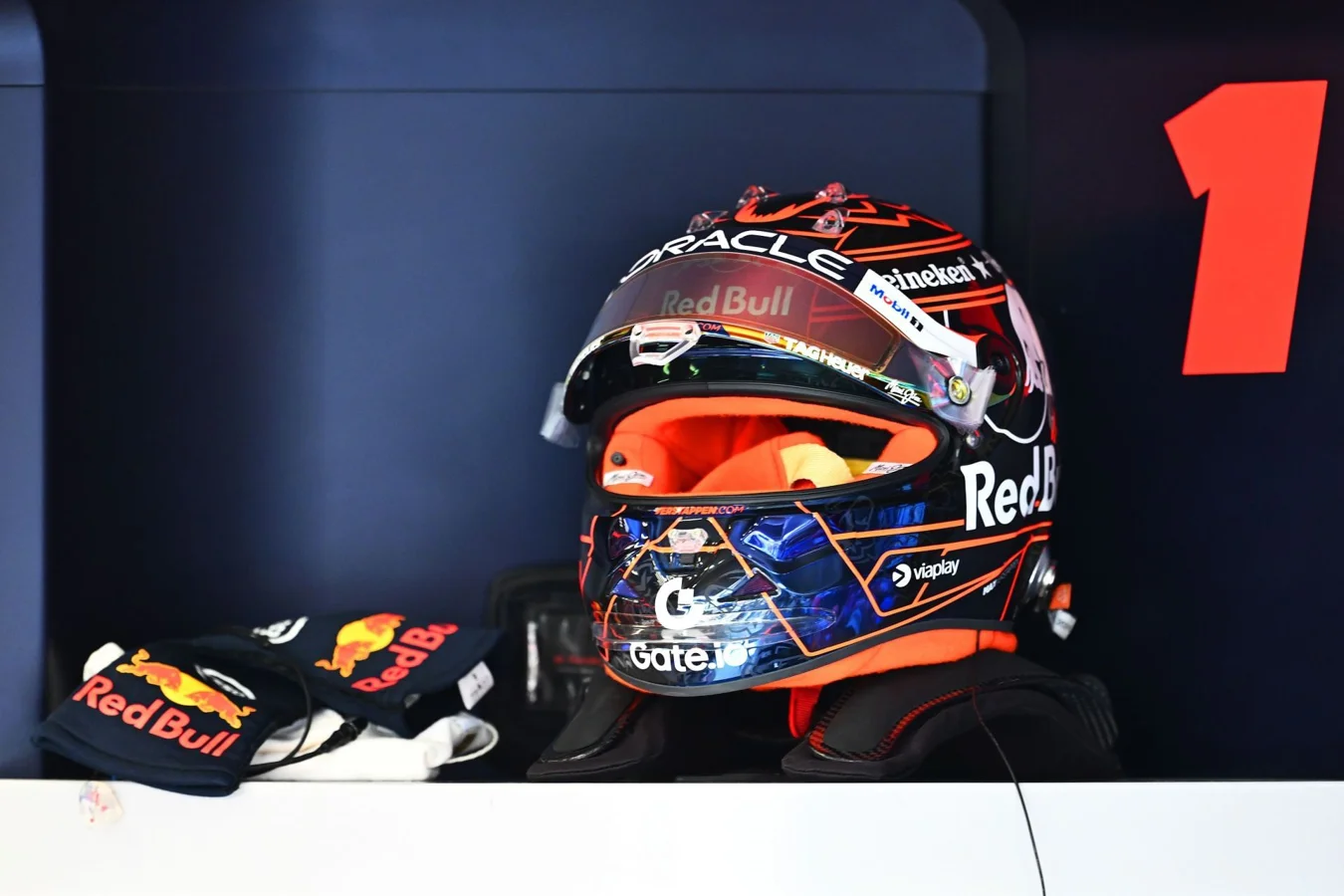
In the initial decades of Formula 1, drivers often wore nothing more than leather or cork caps, sometimes paired with goggles to shield their eyes. These head coverings offered virtually no real protection in the event of a crash. Through the 1950s and 1960s, helmets constructed from fiberglass and similar rigid materials began appearing, delivering better defense for drivers’ heads.
Only in the late 1970s did helmets evolve into fully enclosed units, capable of protecting the entire head. Since then, helmet design has advanced significantly, incorporating carbon fiber outer shells for strength, with layers of fireproof fabric like Kevlar and Nomex inside. Impact-absorbing foam linings are now standard to reduce trauma during collisions.
Modern helmets are also equipped with visors engineered for clear vision under challenging weather conditions, including rain. These visors often feature removable tear-offs, allowing drivers to maintain visibility even on wet tracks. The commitment to fireproof materials and enhanced protective features exemplifies the broader evolution of F1 driver safety gear.
Introduction of the HANS device and structural advances in car safety
Another major milestone in Formula 1 safety was the mandatory use of the Head and Neck Support (HANS) device starting in 2003. This equipment dramatically reduces the risk of severe neck injuries by limiting excessive head movement during crashes. Connected between the driver’s helmet and seatbelt, the HANS device works to stabilize the driver’s head, preventing dangerous whiplash effects in impact situations.
Beyond personal protective gear, advancements in the construction of the race cars themselves have contributed immensely to driver survival. The introduction of the Monocoque chassis design strengthened the car’s frame, offering enhanced durability and crash resistance. Over time, the “survival cell” concept was developed—a carbon fiber bucket-like structure reinforced with Kevlar and Teflon that surrounds the driver completely, safeguarding them in high-speed accidents.
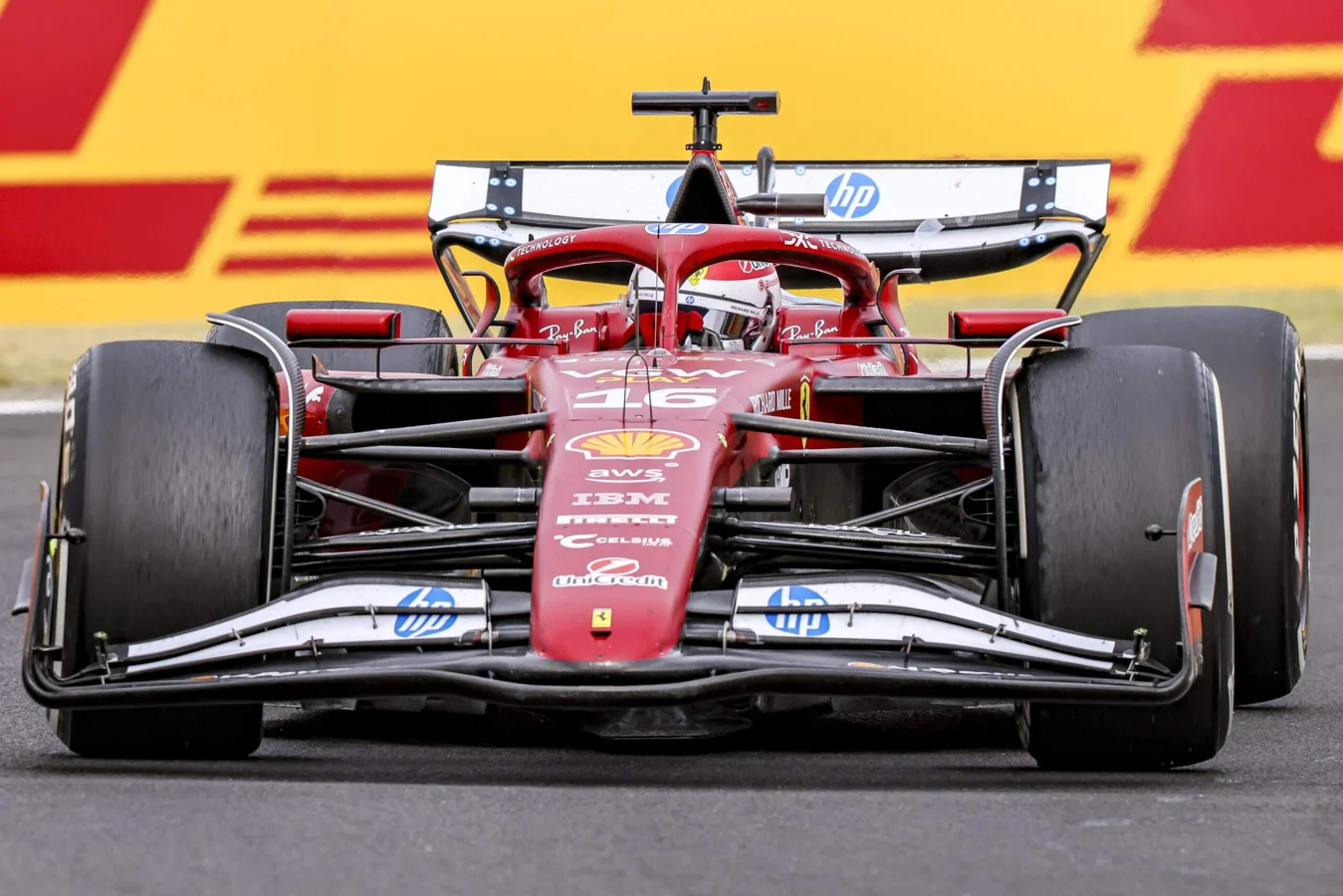
The groundbreaking addition of the Halo device in 2018 stands as one of the most significant safety innovations in the sport’s history. This T-shaped titanium and carbon fiber frame sits above the driver’s head, designed to deflect debris or other large objects away from the cockpit. Since its introduction, the Halo has proven critical in preventing serious injuries from flying debris and collisions, fundamentally altering the approach to driver safety within Formula 1.
Significance of the ongoing evolution of F1 safety equipment
The progress made in F1 driver safety gear evolution reflects a relentless pursuit of protecting lives amid the inherent dangers of high-speed racing. From the early days of minimal protection in cotton shirts to today’s multi-layer fireproof suits, helmets built with advanced composites, and life-saving devices like HANS and the Halo, these developments underscore how safety has become central to Formula 1.
As technology continues to advance, further innovations in materials and construction techniques will likely enhance driver safety even more. The sport’s governing bodies, teams, and manufacturers remain intensely focused on reducing risks, ensuring drivers can compete with greater confidence and security. This commitment not only preserves lives but also sustains the excitement and integrity of one of motorsport’s most demanding disciplines.