
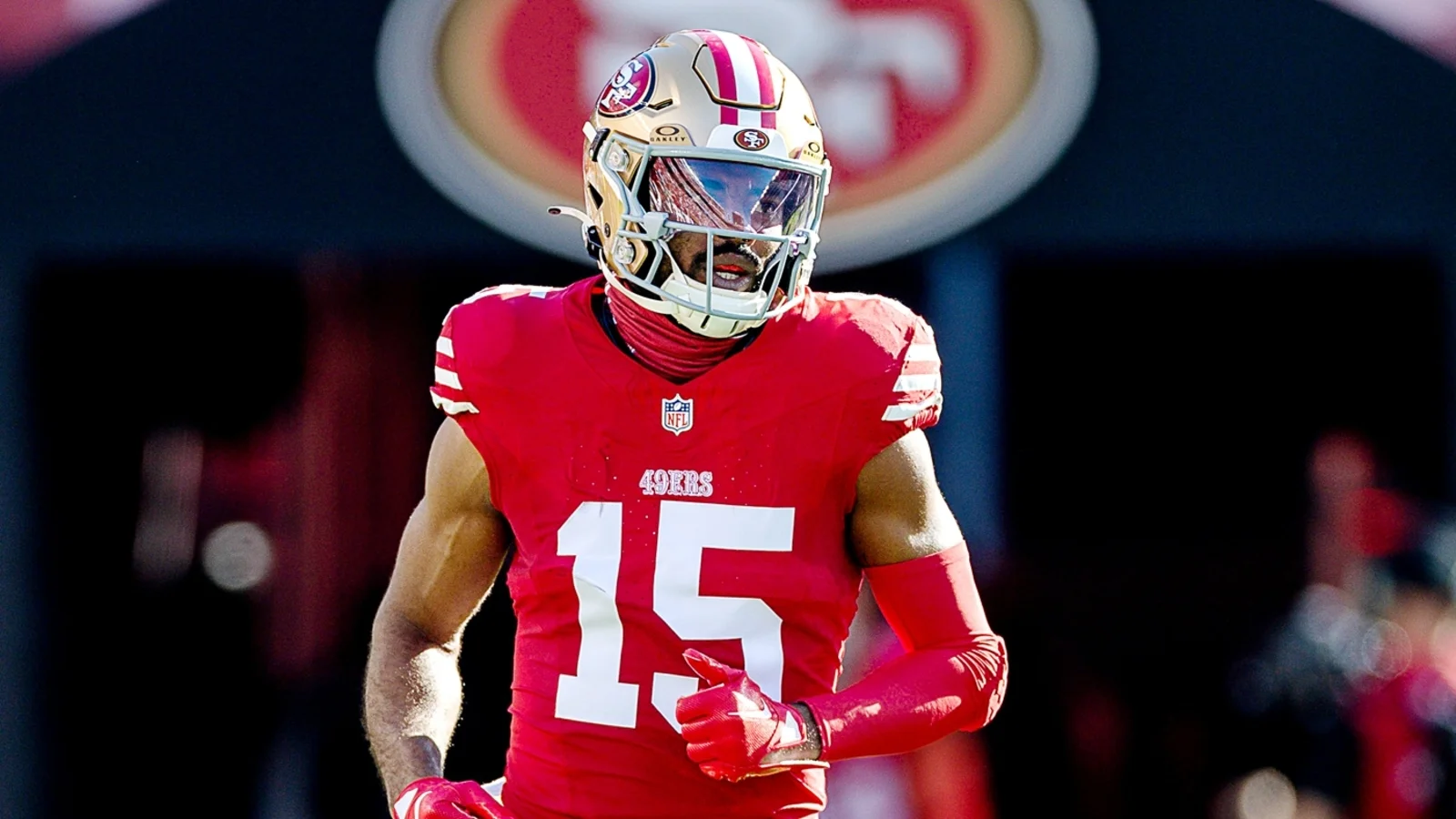

San Francisco 49ers wide receiver Jauan Jennings is entering the 2025 season still without a contract extension, raising questions about his long-term future with the team. Despite his consistent contributions, Jennings has yet to receive the lucrative deal many believe he deserves, fueling a tense contract dispute that could see his tenure with the 49ers end soon.
Jennings has shown loyalty and perseverance through injury setbacks and roster upheavals, notably stepping up last season when the team was plagued by injuries and following the departure of star wideout Deebo Samuel. However, as he deals with a calf injury in the 2025 preseason, his contract situation remains unresolved, leaving many to wonder if this season will be his last in San Francisco.
Jennings’ competitive nature impacts his contract negotiations
One of the key reasons behind Jennings’ ongoing contract stalemate is his own approach to negotiations, which is heavily influenced by his commitment to competing on the field. Unlike other players who have pushed hard for contracts by holding out, Jennings has consistently reported to training camp, prioritizing his role on the team over leveraging his contract status.
This competitive spirit, highly valued by 49ers management, contrasts with the tactics used by others like Deebo Samuel and Brandon Aiyuk, who both applied pressure through holdouts before securing their deals. Jennings’ willingness to stay with the team without a contract extension has arguably weakened his negotiating position, as he assumes the role of the “mouse” in a high-stakes game with the club.
I found the one thing Jauan Jennings is terrible at:
Holding out for a new contract (which he deserves).
He’s just too much of a competitor to voluntarily take himself off the field. pic.twitter.com/Jik6ZClrBY— zach ragan (@zachTNT) July 26, 2025
The greater value Jennings holds for other NFL teams
The 49ers have undergone major roster changes recently, signaling a willingness to move on from veterans as they rebuild or reshape the team. Jennings’ contract uncertainty also ties into this trend. While San Francisco seems reluctant or unable to offer Jennings the long-term deal he desires, other teams likely view him as a valuable starting wide receiver immediately.
Analysts suggest that Jennings could easily be a Day 1 starter on nearly any other roster besides perhaps the Cincinnati Bengals, underscoring his untapped value outside San Francisco. This amplifies the sense that the 49ers’ hesitation stems from roster construction and salary cap priorities more than Jennings’ ability or potential contribution.
Nevertheless, Jennings has repeatedly signed short-term, team-friendly contracts, reinforcing his identity as a dedicated player above all else.
Impact of new talent and financial priorities on Jennings’ status
The 49ers’ decision to use a first-round draft pick on wide receiver Ricky Pearsall this year is a clear message about their vision for the future. When a team invests such high draft capital on a position, it typically signifies a shift away from current veterans occupying similar roles.
This move comes despite other needs elsewhere on the roster, such as offensive line depth behind Trent Williams or tight end backups to George Kittle, further illustrating that the team prioritizes reshaping its receiver corps. This limits financial flexibility to offer Jennings a significant new contract, especially considering Brandon Aiyuk‘s recent large deal also restricts the budget.
Through injuries to Aiyuk, Jennings has adapted as a lead receiver, but his current compensation remains modest compared to his contributions and expectations. Ultimately, Jennings’ situation places the ball in his court — whether to remain patient or seek opportunities elsewhere.
Looking ahead: what might 2025 mean for Jennings and the 49ers?
The 2025 season stands as a pivotal point for Jennings as the unresolved contract dispute continues to overshadow his on-field efforts. If the 49ers maintain their current stance, Jennings may complete the season before being traded or released, or perhaps signing a short-term extension before moving on.
This situation exemplifies the tension between player loyalty and business realities in the NFL. Jennings’ journey highlights the challenge players face when committed competitiveness conflicts with contract leverage, especially within a franchise juggling salary cap and roster transitions.
What happens this season will significantly shape both Jennings’ career trajectory and the 49ers’ receiver group composition in the years ahead, marking a critical juncture in their evolving partnership.