
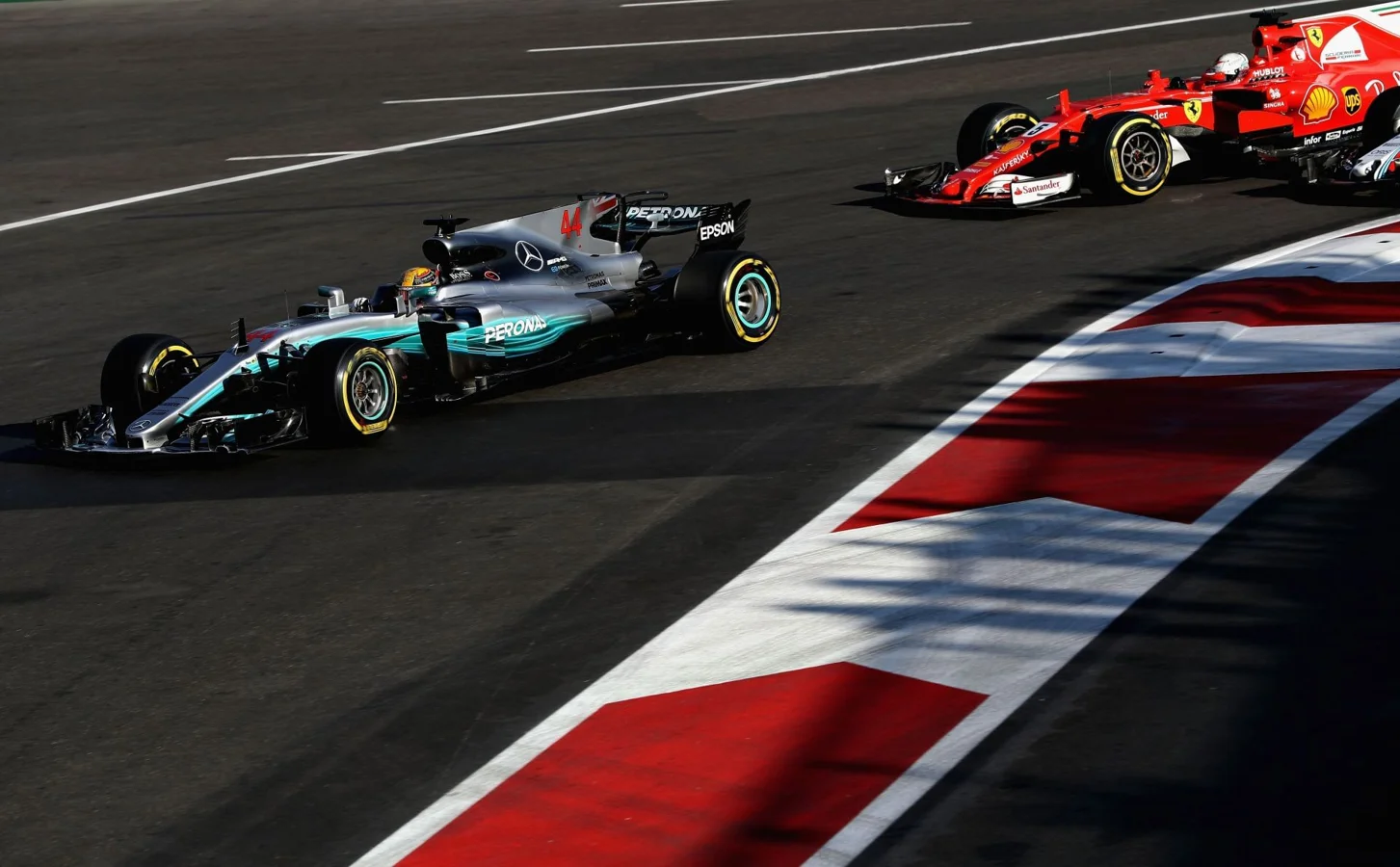

During the 2017 European Grand Prix in Baku, Lewis Hamilton expressed frustration after a tense on-track collision with Sebastian Vettel, which highlighted the fierce rivalry between the two drivers. Hamilton revealed that Vettel did not have his phone number and therefore refused to contact him, illustrating the personal distance between the two competitors amid their intense battle for the championship.
The Heightened Rivalry Between Hamilton and Vettel in the Mid-2010s
Lewis Hamilton and Sebastian Vettel’s competitive relationship dates back to 2010, evolving over the years as both drivers vied for Formula 1 supremacy. Their rivalry became particularly heated after Hamilton joined Mercedes and Vettel moved to Ferrari, escalating their fights from 2014 onward. The 2017 season saw the two title contenders go head-to-head again, with each rider displaying fierce determination and mutual antagonism on the track.
By the time they reached the eighth race of the year, the Azerbaijan Grand Prix in Baku, Hamilton and Vettel were tied with three wins apiece. Both were fully committed to securing the race victory as part of their ongoing championship quest.
What Triggered the Tension During the 2017 Baku Race?
The rivalry took a sharp turn during the race when Vettel accused Hamilton of brake-testing him while they were behind the safety car. In retaliation, Vettel swerved his car sharply toward Hamilton. This risky move led to heated feelings and conflicting narratives from both drivers, reflecting the broader tension within their championship battle.
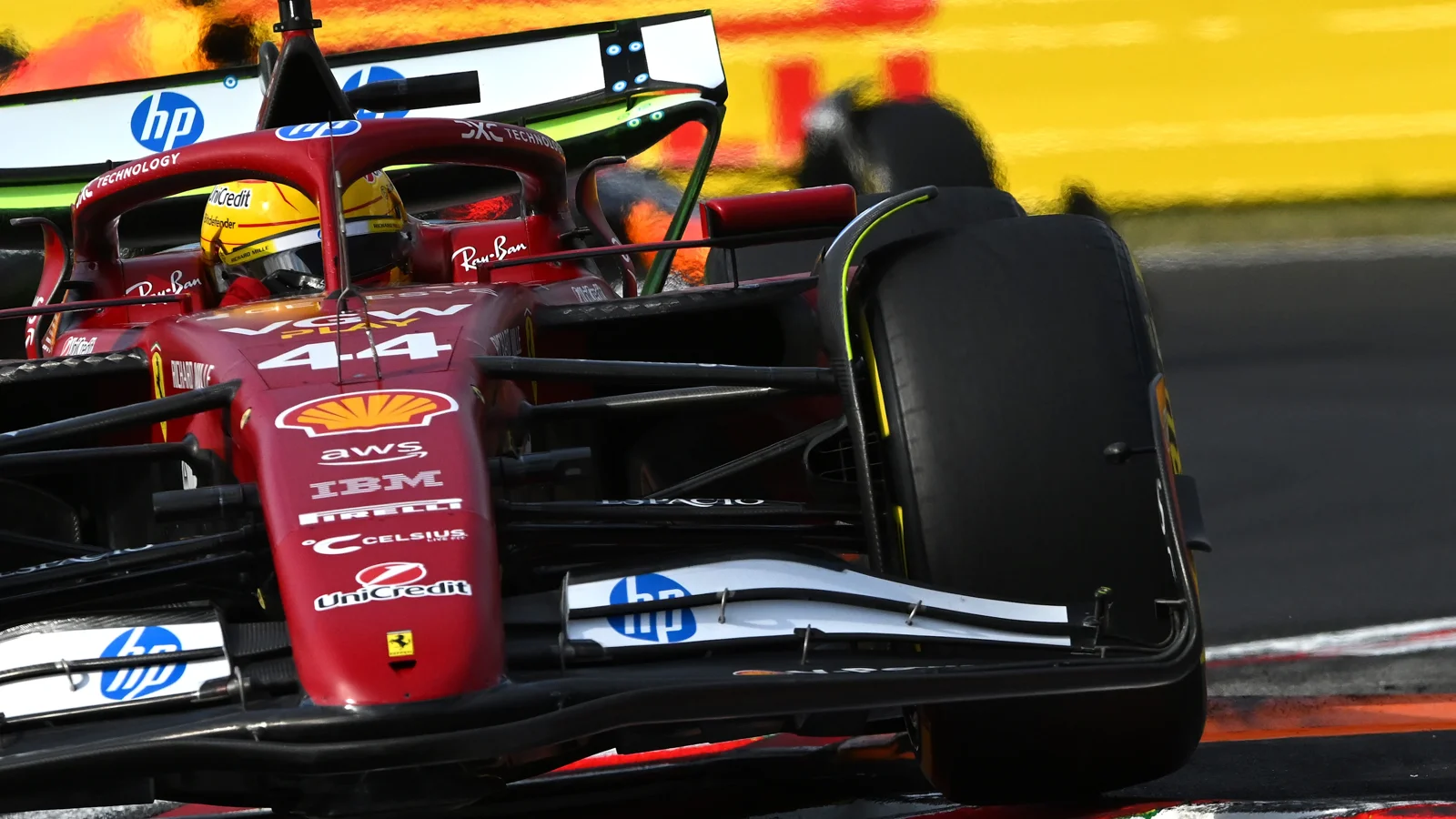
Hamilton later explained that their competitive nature extended beyond personal communications, noting the absence of any private contact between them. Speaking to Sky Sports, Hamilton said,
“Vettel won’t contact me because he doesn’t have my phone number. For my part, I’ll just talk on the track, we’ll chat on the circuits, and I’ll win the World Championship the right way.”
—Lewis Hamilton, F1 Driver
Neither Hamilton nor Vettel won the European Grand Prix in Baku that year. Instead, Red Bull’s Daniel Ricciardo claimed victory, followed by Mercedes’ Valtteri Bottas and Williams’ Lance Stroll.
Hamilton’s Response to Vettel’s Dangerous Maneuver on Track
After the race, Hamilton strongly criticized Vettel’s decision to swerve into him, emphasizing the responsibility that comes with being a world-class driver. Addressing the media, he expressed concern about the message such actions send to young fans and aspiring racers. He told The Guardian,
“There are a lot of kids who adore us, and seeing a multiple-time world champion do that on TV… You learn not to do these things in karts. I hope the kids don’t see these things in GP2 or GP3 either and believe it’s the right thing to do.
“Everyone has their opinion, but I hope young drivers don’t think that’s how racing is done, because it’s not true. Vettel’s response isn’t the right one, whatever the situation. We’re world champions, the best drivers on the planet.”
—Lewis Hamilton, F1 Driver
The Aftermath and Continuing Fight for Supremacy
Despite the conflict in Baku, Hamilton secured the 2017 Formula 1 World Championship, claiming his fourth title and matching Vettel’s tally at the time. Their rivalry continued into the following seasons, with both drivers fiercely contesting the championship and maintaining their roles as two of the sport’s dominant figures.
The incidents at Baku remain a stark example of how intense and personal the competition became between Hamilton and Vettel during the peak of their careers. Their interactions on and off the track highlighted the pressure and high stakes involved in their pursuit of racing excellence.