
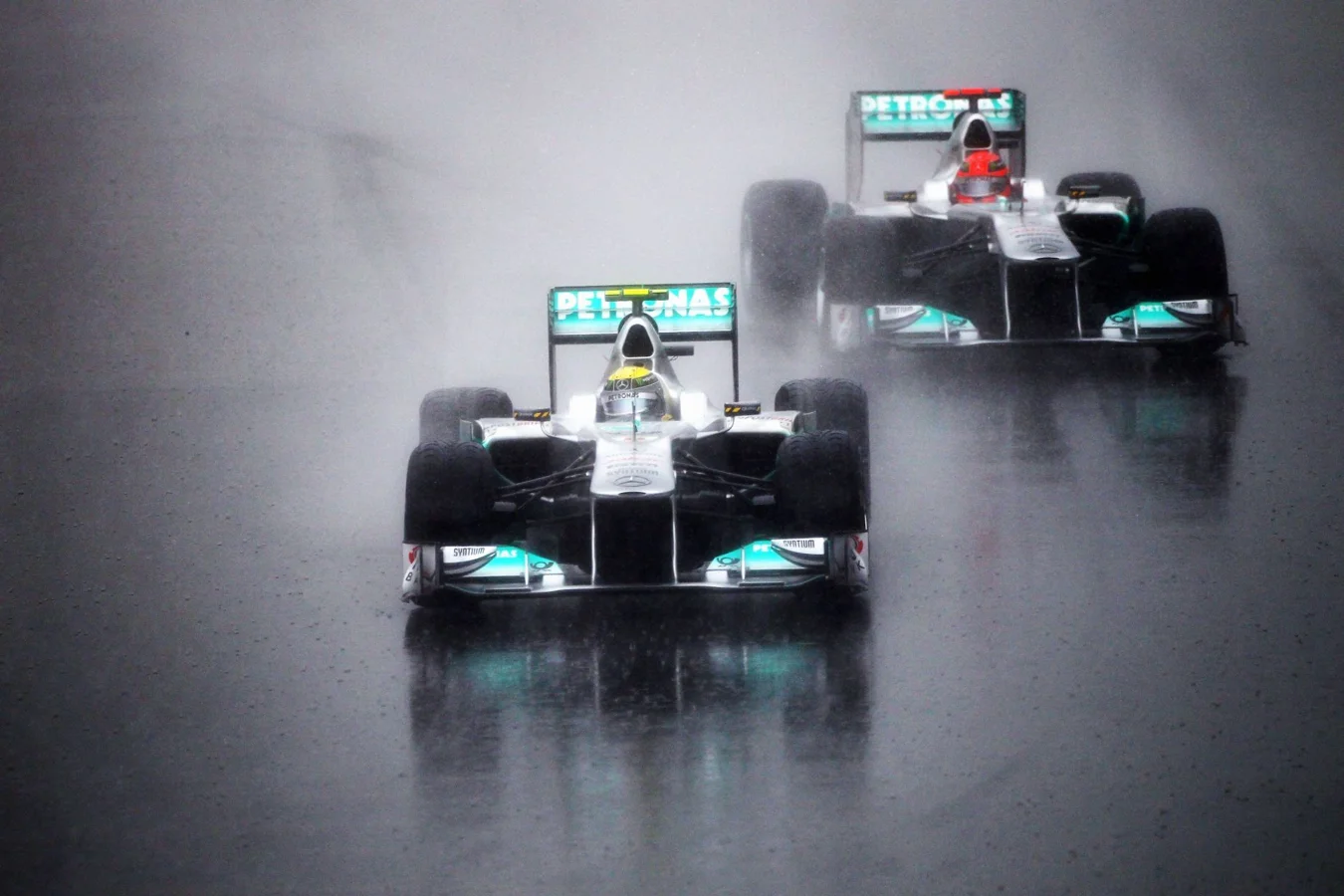

The 2011 Canadian Grand Prix became the longest race in Formula 1 history, lasting over four hours due to heavy rain, multiple safety car periods, and race suspensions. This extraordinary event at Circuit Gilles Villeneuve led to significant changes in F1’s race time regulations aimed at managing prolonged race durations caused by adverse conditions.
Weather Challenges and Race Developments at the 2011 Canadian GP
Rain showers began early on race day at Circuit Gilles Villeneuve, leaving large patches of standing water on the track. Due to these unsafe conditions, the race officials decided to start the Grand Prix behind the safety car, with all drivers on full wet tires to clear the excess water safely. After five laps following the safety car, the race officially launched with Sebastian Vettel taking the lead as the cars went green.
Early incidents quickly unfolded when Lewis Hamilton collided with Mark Webber at Turn 1, spinning the Red Bull driver. Shortly after, on Lap 7, Hamilton became involved in a clash with his teammate Jenson Button down the main straight, causing Hamilton to retire and prompting another safety car deployment. Button continued but was penalized with a drive-through for speeding under the safety car conditions.
As the rain returned more intensely, drivers had to revert to full wet tires. The worsening weather led to a safety car period by Lap 19 due to poor visibility. When conditions failed to improve, race control chose to red-flag the event on Lap 25, over two hours into the race, suspending the action until the rain eased.
Race Resumption and Key Moments Leading to the Historic Win
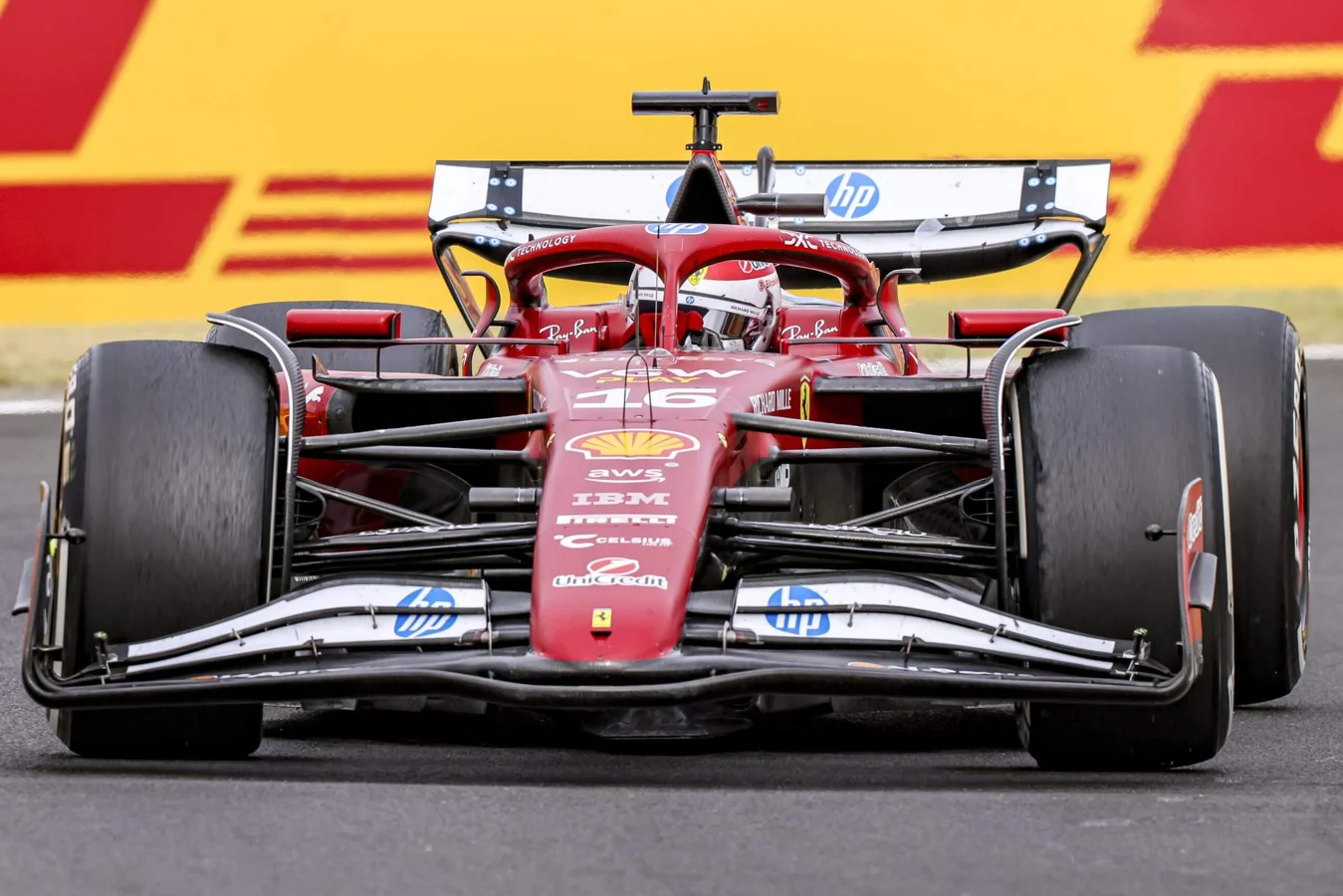
The race resumed under safety car conditions with all participants maintaining full wet tires. Soon after the restart, Jenson Button and Fernando Alonso pitted for intermediate tires. Upon leaving the pits, Alonso was forced to retire after contact with Button, which triggered yet another safety car period. After the race restarted, Button transitioned to dry tires and began progressing through the ranks.
Further incidents occurred on Lap 56, when Nick Heidfeld and Kamui Kobayashi collided, bringing out another safety car. The race finally restarted on Lap 64 with the field compressed. Starting in fourth place, Button skillfully overtook Mark Webber, Michael Schumacher, and leader Sebastian Vettel to secure a remarkable victory in the marathon race.
The finishing time set a new F1 record, with the event lasting four hours, four minutes, and 39 seconds, emphasizing the impact of weather and safety interventions on race continuity.
FIA’s Regulatory Response to Extended Race Durations
In reaction to the unprecedented length of the 2011 Canadian GP, the FIA revised the rules governing maximum race duration. The updated regulations capped the maximum total race time, including all suspensions and delays, at four hours to prevent excessively prolonged events. This measure aimed to balance safety, competition integrity, and scheduling considerations.
Further amendments came into effect starting from the 2021 season, reducing the maximum race time to three hours under all circumstances. The rule is outlined in the FIA’s Article 5.3.b, stating,
“should the race be suspended the length of suspension will be added to this [race] period up to a maximum total race time of three hours.”
These limits were tested during the 2025 Belgian Grand Prix, which faced significant delays but concluded within the three-hour maximum, showing the effectiveness of the regulation in managing race timing.