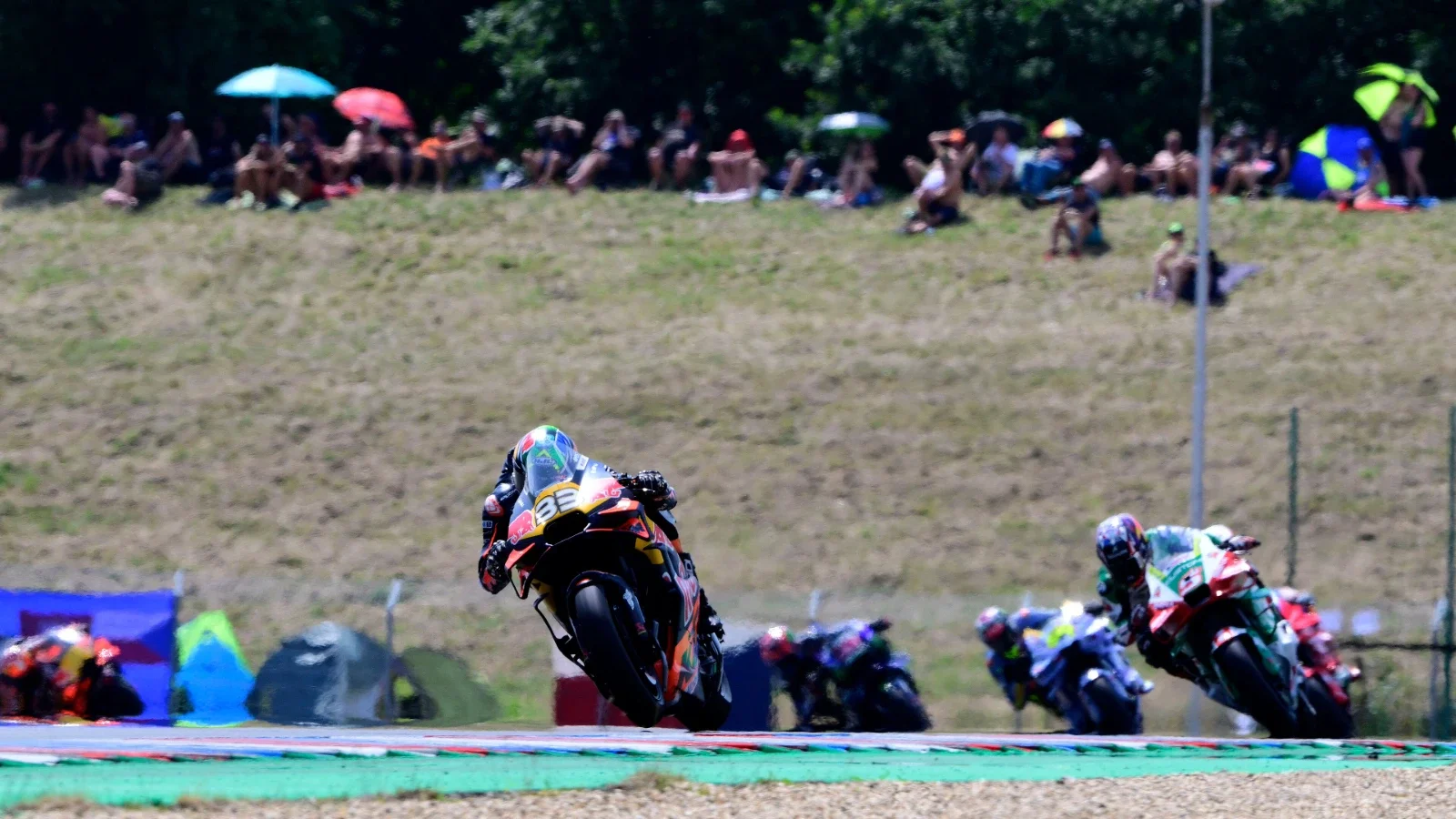
Casey Stoner criticizes MotoGP's anti-highside aid, calling it a step towards engineering dominance over rider skill.
Two-time MotoGPworld champion Casey Stoner voiced strong opposition to the anti-highside aid introduced at the Austrian Grand Prix weekend at the Red Bull Ring. Stoner’s criticisms, shared immediately following Free Practice 1, joined earlier concerns expressed by leading ridersMarc Marquez and Pedro Acosta regarding this new electronic stability control system, often referred to as the “stability control.”
The Australian champion emphasized that this technology marks a troubling direction for MotoGP, aligning it with past errors experienced by Formula 1 rather than preserving the sport’s traditional challenge and skill requirement.
Concerns Over Excessive Electronic Intervention
Stoner argued that the introduction of enhanced electronic aids is shifting the emphasis away from rider skill toward engineering solutions. He noted,
“Right now, we’re making champions out of engineers, We’re not making champions out of riders. And we’re going into an era of all the mistakes that Formula 1 made.”
—Casey Stoner
Reflecting on Formula 1’s history with technology that compromised driver input and excitement, Stoner warned that MotoGP was following a similar problematic path. He described the new electronics as so advanced that riders could
“literally go and twist the throttle”
with nearly 300 horsepower available, yet not experience the expected bike response due to the electronic controls limiting slide and instability.
He added:
“You’ve got the best riders in the world riding the easiest bikes to ride in the world, and I don’t see this as being anything that I’m interested in.”
—Casey Stoner
Rider Control and Skill Being Undermined by Electronics
Stoner expressed frustration that the new system restricts rider influence on key factors like slide and throttle modulation. During his final testing phases before retiring, he reported being prohibited from using additional clutch control into corners because it interfered with electronic systems. He explained in direct terms,
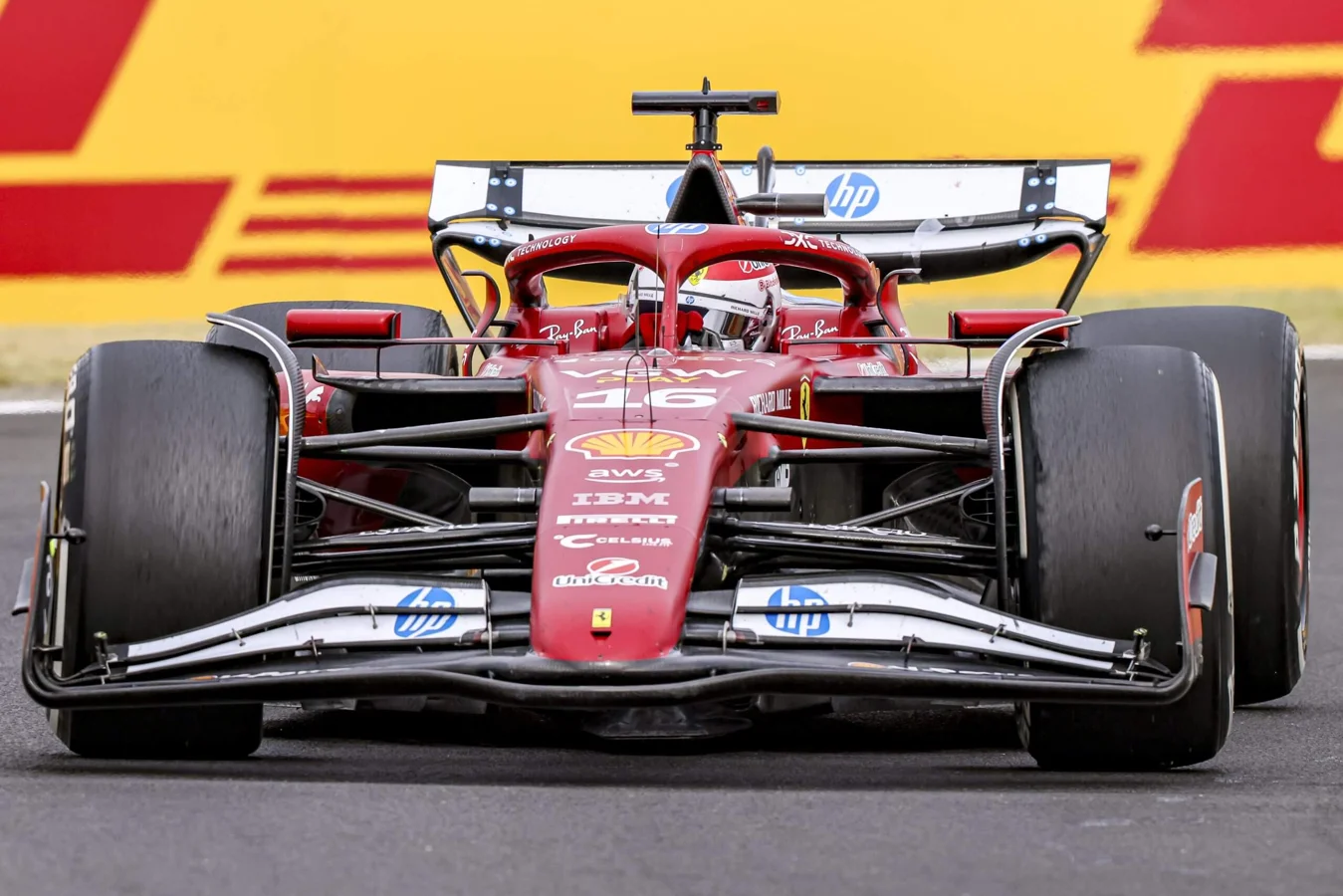
Image of: F1
“So there’s no more element of skill with every aspect. You literally just have to brake hard, get it into the corner, and then… all the guys are talking about how now they can just literally twist the throttle, press a button [that] drops it down. There’s just too much going on.”
—Casey Stoner
This loss of hands-on control undermines the rider’s connection to the machine and reduces the complexity that has traditionally defined MotoGP racing.
Stoner Disputes Claims That Anti-Highside Technology Improves Safety
Contrary to the official rationale that the stability control systems enhance safety, Stoner disagreed strongly. He explained that reducing rear-end instability removes the fear factor that naturally limits rider risk-taking, which in turn shifts pressure onto the front end of the bike, potentially causing more dangerous crashes. He warned,
“I don’t see it as being safer. If you take all of the control out of the rear of the bike, you lose any fear of the bike, And then you just start to push harder and harder in one aspect, which is the front end.”
—Casey Stoner
Stoner noted that when the front end fails, crashes tend to be more catastrophic as the bike can dart unpredictably back onto the track. He concluded this section by highlighting the unintended consequences of increased rear stability:
“So the more safe you make the rear, the worse it’s going to be on the front. And then we’re going to see worse things again.”
—Casey Stoner
Additionally, the system boosts top speeds, tightening braking zones and increasing the potential for errors among riders who must now brake at the very limits. This concern became evident during the practice session that followed, where several riders, including Enea Bastianini, went off track multiple times due to braking difficulties.
Practice Showing Challenges of New Electronic Aids at Spielberg
The Spielberg circuit is already known for its demanding braking sections. During the session after Stoner’s remarks, many riders struggled with braking, emphasizing the increased challenges posed by the new electronic systems. The top 10 riders who made it directly to Q2 were largely those who managed to maintain control under these tougher conditions.
Future Rule Changes and Their Impact on Race Dynamics
Looking ahead to the 2027 planned changes—such as reduced aerodynamics, smaller engine capacity, and a ban on ride height devices—Stoner remained skeptical that these adjustments would sufficiently address the sport’s issues. He criticized the notion that lighter bikes would improve racing, reasoning that it would shorten braking points and reduce top speeds, ultimately limiting overtaking opportunities.
He said,
“They’re still [going to have] winglets and they’re going to be carrying probably higher corner speeds as well. So that’s going to create turbulent air on a lighter bike. They’re still going to be having stability issues. They’re still going to be having tyre temperature issues.”
—Casey Stoner
Stoner also raised concerns about the financial impact of aerodynamic development, stating that previous attempts to reduce costs have been undermined by the expensive nature of aerodynamic parts. He remarked,
“We were talking not too many years ago [about how MotoGP was] sort of struggling with costs and trying to cost-cut and all these sorts of things. [Aero] is certainly not making it better. [Aero] is the most expensive thing that you can do.”
—Casey Stoner
Warnings About the Direction of MotoGP’s Technological Evolution
Summarizing his outlook, Stoner expressed deep frustration with the sport’s current trajectory, highlighting a widening disconnect between riders and their machines due to increasing electronic interference. He concluded,
“I just don’t know how nobody can see the problems. Each step they do in this direction is making it go in the wrong way.”
—Casey Stoner
This critique signals broader unease among top riders and former champions about the balance between safety, spectacle, and the essence of racing skill in MotoGP. As the paddock continues to adapt to these new systems, the debate over electronic aids’ role is likely to intensify, shaping the sport’s evolution at future Grands Prix and beyond.