
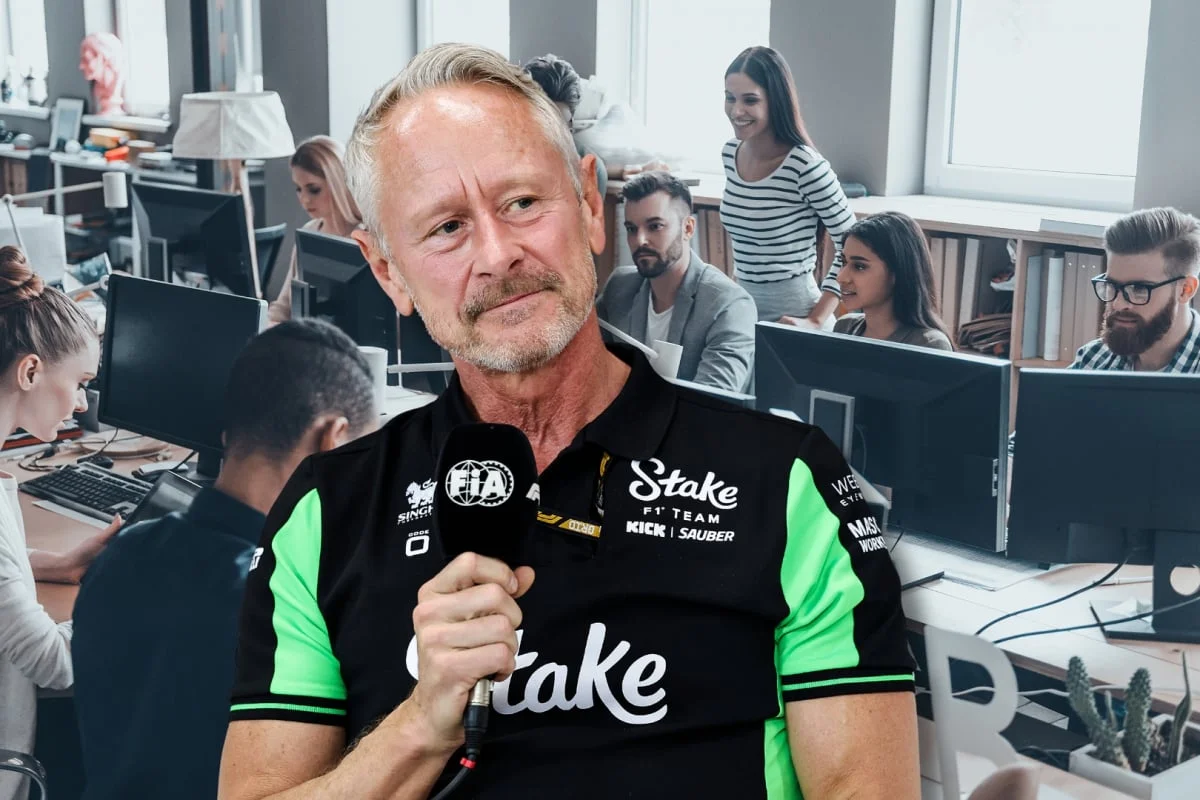

Jonathan Wheatley, newly appointed team principal of the Sauber F1 team, expressed optimism that the recent wave of F1 team bosses will prioritize the interests of the sport during upcoming F1 Commission meetings. This confidence stems from the experience and shared values among this new generation of leaders who are ready to put collective progress above individual rivalries.
Wheatley, who joined Sauber in April following a long tenure as Red Bull’s racing director, highlighted the appointments of his former colleagues Alan Permane and Steve Nielsen, now leading Racing Bulls and Alpine respectively. Both Permane and Nielsen have taken on significant roles starting for Alpine from September, reinforcing the fresh leadership presence across the paddock.
Longstanding Relationships Form the Basis for Team Principals’ Cooperation
Wheatley reflected on his enduring professional relationships within Formula 1, sharing a nostalgic moment after Permane’s promotion to Racing Bulls team principal. He recalled celebrating Michael Schumacher’s first world championship victory together in 1994, underscoring the deep bonds that have been forged over decades.
He emphasized the mutual respect and shared passion the new team bosses hold for Formula 1.
“I’m fortunate that I met some incredible people on my journey through Formula 1. And if I make friends, I tend to keep friends for a very, very long time. So we’ve known each other a long time and it’s just nice to have this group of people around you that you trust absolutely and you’ve been on this journey with, because you share so much experience,”
Wheatley said.
The trust within this group extends beyond personal ties, as Wheatley described the team principals collectively forming a talented and close-knit circle:
“We all ended up in the sporting [director] group, and now we’ve all ended up in the team principals group, and they’re a great group of people, incredibly talented. We know each other inside out.”
Balancing Rivalries with Shared Goals at the Commission Table
While acknowledging that team principals will vigorously defend their teams’ interests, Wheatley expressed confidence that these leaders know how to separate personal feelings from professional duties. This approach will benefit the sport as a whole by fostering unity on overarching issues.
He explained,
“We know how to separate our personal relationships from our professional relationships. We’ve all worked together on achieving a common goal. In fact, I would say 99% in the best interest of the sport in the sporting group, and I’m absolutely certain that at team principal level we will have the same philosophies, which is overarchingly, to do the best thing for Formula 1.”
Building on their past experiences with various FIA groups and the former FOTA association, Wheatley believes this collective wisdom will aid in representing their teams while aligning on decisions that serve Formula 1’s long-term vision.
“We’ve been together at other FIA groups along the way, and FOTA even back in the day as well, so we understand what’s needed. We represent our teams in the best way possible. But if a decision is for the best interest in the sport generally we come around to that, so I’m looking forward to those discussions.”
McLaren and Red Bull Leaders Work to Improve Their Relationship
Amid the evolving team leadership landscape, recent shifts off-track are shaping team dynamics as well. Laurent Mekies, who recently took over from Christian Horner as Red Bull’s CEO and team principal following the British Grand Prix, met informally with McLaren’s CEO Zak Brown in Hungary to establish a cooperative tone between the two camps.
Tensions between Red Bull and McLaren had escalated during their fierce competition for the 2024 world championship, but Mekies and Brown aim to move forward with mutual respect. Brown welcomed Mekies warmly, hoping to reset the working relationship after Horner’s departure.
Addressing his meeting with McLaren, Mekies highlighted the importance of collaboration among rivals when it comes to deciding the future of Formula 1.
“Competition on track is one thing. Having discussions together to define a position on the future of the sport, on key strategic decisions that we need to make as a sport for the future, is something that is normal to do between competitor,”
he said.
Mekies also emphasized the quality of relationships he maintains across the paddock, including with notable figures such as Toto Wolff, Frederic Vasseur, and Mattia Binotto.
“And as much as we will disagree here and there, or we will simply defend our short-term or mid-term interests. The truth is we have a very good relationship with Zak and Andrea [Stella], but also with Toto [Wolff], Fred [Vasseur] and Mattia Binotto and all the other guys. So, it’s a very good group.”
He highlighted the group’s commitment to balancing individual team interests with the sport’s growth:
“I think we have done enough of F1 Commissions together to be conscious that we want to truly contribute to the sport. The sport is at a level right now where it deserves that a group tries to tune down their short-term and mid-term interests to discuss with FIA and with F1 on how to drive it forward, and that’s what we try to do.”
Concluding on the spirit of these negotiations, Mekies added,
“We don’t hide our bias, but we try to be constructive about how to go about it.”
Impact of New Leadership on Formula 1’s Future
As the new generation F1 team bosses settle into their roles, their collective approach suggests an optimistic outlook for the sport. Drawing from longstanding personal connections and shared ideals, this group is prepared to leave rivalries aside to serve Formula 1’s broader interests.
Their ability to collaborate effectively on strategic decisions is likely to enhance governance within the sport, ensuring its continued growth and appeal worldwide. With leaders such as Jonathan Wheatley, Alan Permane, Steve Nielsen, and Laurent Mekies all playing key roles, Formula 1 appears poised for a future marked by both fierce competition and cooperative progress, benefiting teams, drivers, and fans alike.