
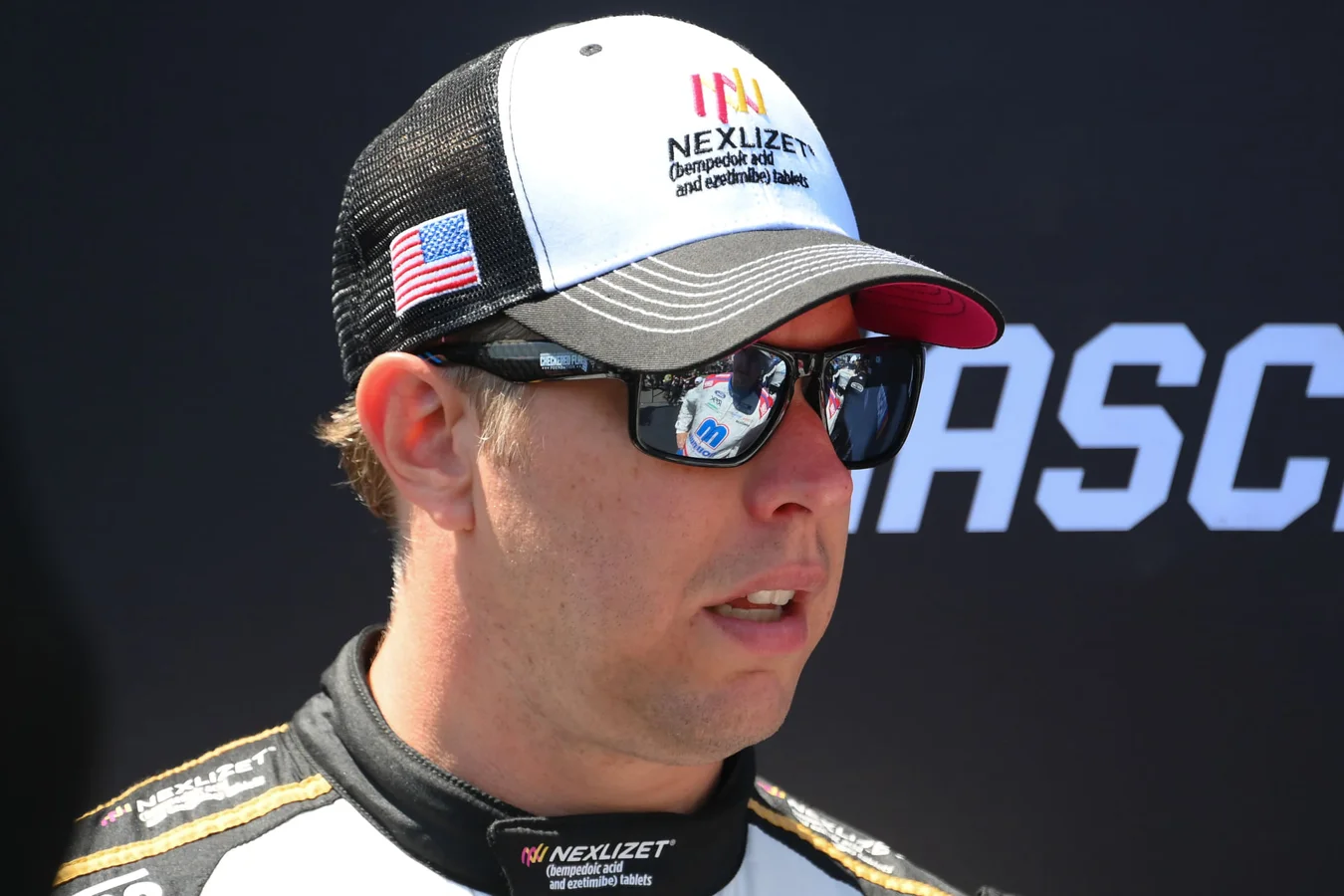

Brad Keselowski has raised serious concerns ahead of the upcoming Richmond NASCAR race this Sunday, cautioning about tire durability issues with Goodyear’s softer option tires. As RFK Racing and its drivers battle to secure a playoff spot in the final races of the season, Keselowski’s warning about the tires’ wear rate is prompting teams to prepare for potentially challenging conditions on track.
Keselowski Highlights Unexpected Tire Wear Issues Ahead of Richmond
RFK Racing, with driver Ryan Preece securing pole position for the Richmond event, enters a critical phase of the season with its playoff hopes on the line. However, Brad Keselowski, the team owner and the No. 6 Ford driver, has voiced major doubts about the tires selected by NASCAR for this race. Goodyear’s option tire, anticipated to offer a softer compound, appears to degrade much faster than expected—showing significant wear within just 50 laps. This discrepancy signals possible difficulties for Cup drivers aiming to maintain long runs during the race.
Keselowski explained,
“We’re in trouble. The tire’s supposed to be the option tire, it doesn’t look like the option tire, it doesn’t drive like the option tire. It’s going to be harder to run more than 50 laps on it.”
—Brad Keselowski
His concerns stem from the tires’ softness and the limited number currently allocated for teams, which leaves little margin for error if the tires deteriorate faster than planned. Keselowski’s apprehension is echoed by Blake Harris, crew chief for Hendrick Motorsports driver Alex Bowman, who requested additional tires but was denied.
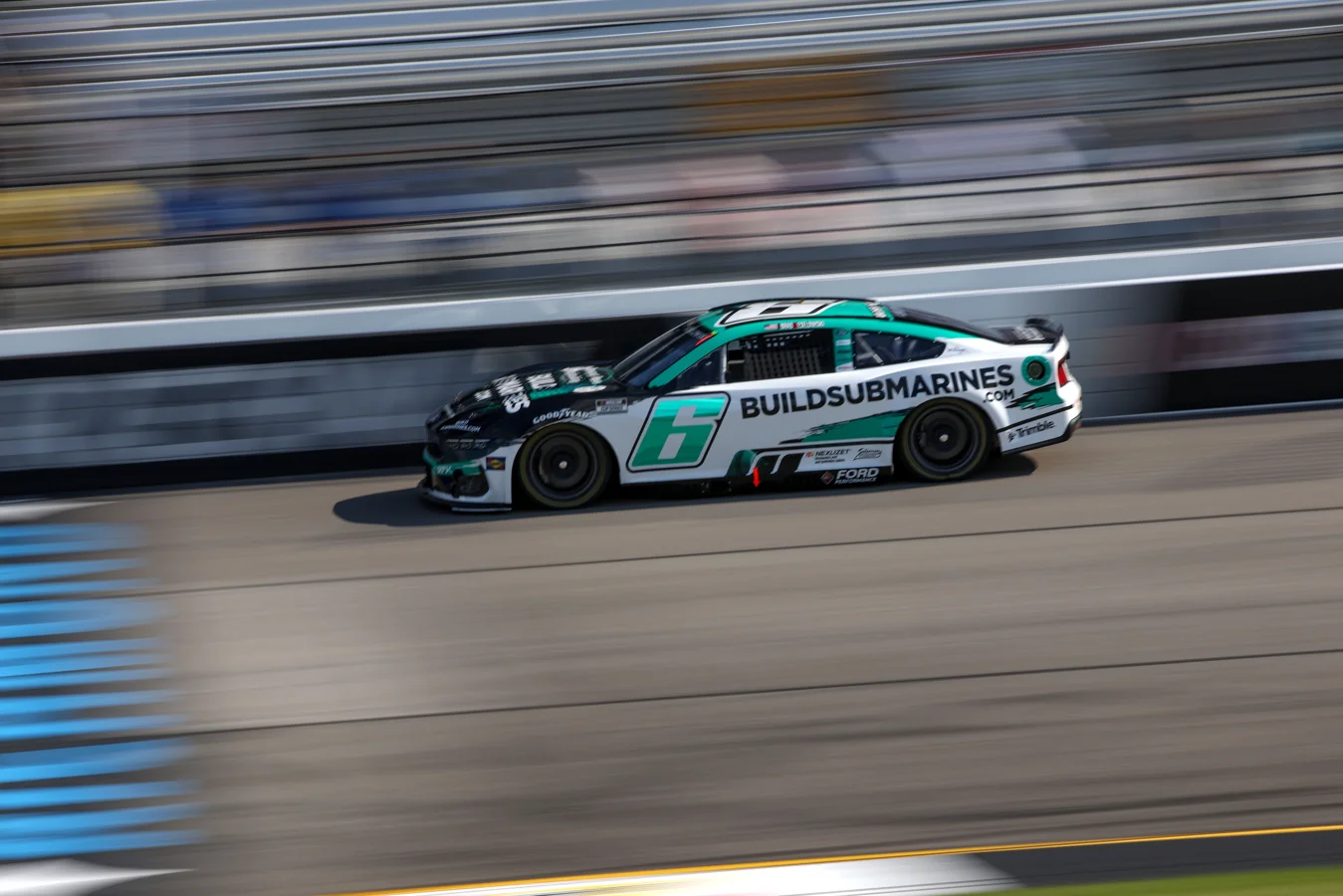
Adding to the uncertainty, Keselowski emphasized the mismatch between tire allocation and race demands, stating,
“If you look at the amount of tires we have, we have enough tires to go, I think it’s like 45 laps a set. Rough math. Not enough. The math ain’t mathing.”
—Brad Keselowski
Potential for Tire Life Improvement Under Nighttime Conditions
Despite his worries, Keselowski acknowledged that there is a chance his projection may prove incorrect, depending on how conditions change during the event. Cooler temperatures at night could slow tire wear and extend performance beyond what was observed in daytime practice sessions. Still, his immediate outlook remains cautious.
He stated,
“I might be wrong. Maybe something will change and we’ll get into nighttime and the tires will extend their life cycle more than what we’ve seen in practice. But right now, it does not look good.”
—Brad Keselowski
Goodyear Defends Tire Performance Amid Driver Concerns
Contrasting Keselowski’s anxious perspective, Goodyear representatives have expressed confidence in the tire’s performance. Rick Heinrich, Goodyear’s product manager, assured media outlets that the tire degradation rate is exactly as designed, intended to create balanced and competitive racing conditions. The company believes the tires will handle the race’s demands and that competitors should be able to make strategic runs without major issues.
Heinrich explained,
“They’ve really performed spot-on because we’re seeing that kind of fall-off. We’re not seeing people showing that they can’t go as far as they’re going to have to go (Saturday) night. You’re going to have to put at least 37 laps on a set of tires to be able to make the math work. We’re seeing people go well beyond that.”
—Rick Heinrich
This endorsement highlights a distinct divide between driver fears and manufacturer assurances as teams prepare for the Cook Out 400 at Richmond.
Implications for Teams and the Playoff Battle
The debate over tire endurance is critical as RFK Racing and its drivers fight to clinch a playoff berth in the last two races of the season, with Richmond being a pivotal event. While Keselowski’s warnings emphasize potential strategic and safety challenges, the final race outcomes will ultimately test Goodyear’s claims and the teams’ adaptability.
How the tires perform in Richmond will likely influence NASCAR’s tire selections for upcoming races at Martinsville and Phoenix. Teams will need to balance aggressive pace with tire conservation carefully as the “math” behind tire sets and laps per run becomes a central factor in race strategy.
With the warm-up sessions revealing significant drop-offs in grip, drivers and teams must prepare for a demanding race environment where tire management may determine success or failure.
Looking Ahead: Monitoring Tire Performance and Team Reactions
Brad Keselowski‘s candid remarks and Goodyear’s confidence set the stage for an intense weekend at Richmond. The evolving tire situation not only affects driver safety and competition but also the strategic dynamics of the NASCAR playoffs, where every lap and tire set counts.
The upcoming races will reveal which perspective holds true, potentially shaping tire policies and team approaches for the remainder of the NASCAR season.