
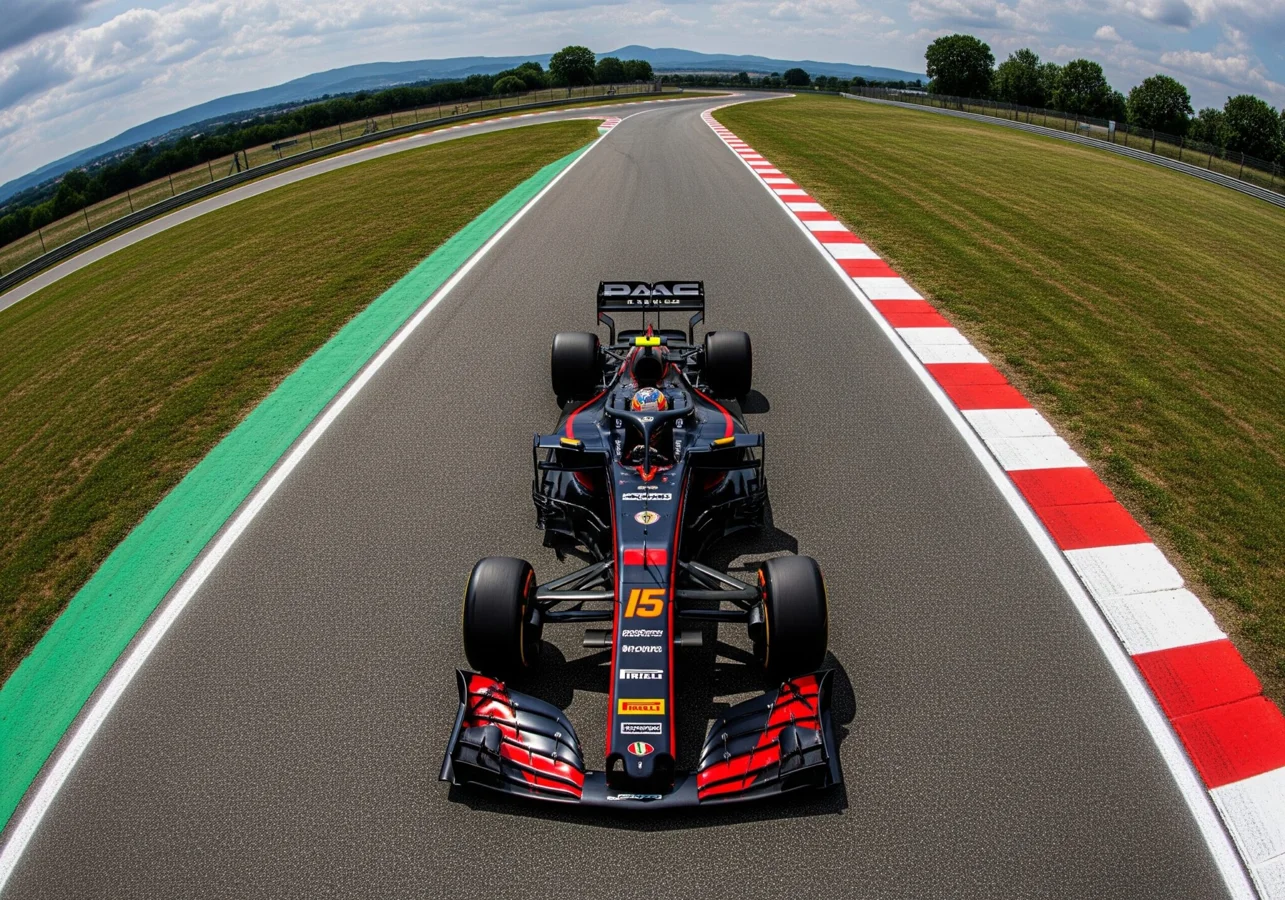

Formula 1 will eliminate the Drag Reduction System (DRS) starting with the 2026 season, ending the era of this movable rear wing aid that has been in use since 2011. As part of new F1 active aerodynamics 2026 regulations, cars will adopt a modern approach featuring adjustable aerodynamic components, shifting away from the traditional overtaking mechanism that DRS provided.
The upcoming race cars will become more compact, with their wheelbase shortened by 200 millimeters and the front tire width reduced by 100 millimeters. Additionally, they will shed weight, lowering the minimum mass by approximately 30 kilograms to a total of 768 kilograms, changing the dynamics and handling of the vehicles.
How Active Aerodynamics Will Function in Future Cars
The most notable change relates to the aerodynamics of the 2026 Formula 1 cars. These vehicles will still have movable wings, but their purpose will differ entirely from previous overtaking aids. Each car will feature three wing elements at both the front and rear, with the top two sections being adjustable. This setup will enable drivers to alternate between two configurations: X Mode and Z Mode.
X Mode will configure the car for low downforce, optimizing speed on straights, whereas Z Mode will increase downforce, enhancing grip through corners. The driver will have full control over switching between these modes during the race without restrictions based on proximity to other cars, unlike the DRS, which required being within one second of a rival.
Since these aerodynamic changes are focused on improving efficiency and vehicle performance rather than solely aiding overtaking, they will not be classified as overtaking aids.
Powertrain Adjustments and New Overtaking Tools in 2026
Aside from aerodynamic innovations, the 2026 regulations will introduce significant changes to the power units. The electrical power output will more than double, rising from 150 kW in current models to 350 kW, though the MGU-H energy recovery system will be phased out. Energy recovery will now be exclusively managed through the MGU-K.
This boost in electrical power will grant drivers an additional performance surge, serving as an overtaking aid similar to the push-to-pass systems seen in other racing series like IndyCar. This extra burst of speed will be expected to make races more engaging and unpredictable.
Impact and Prospects for Competition in the 2026 Season
These sweeping shifts in technology and regulations could disrupt the current hierarchy within the sport. The combination of active aerodynamics and increased electrical power is anticipated to enhance on-track battles and may allow midfield teams to challenge the established front runners more effectively. Drivers will face fresh strategic challenges managing their aerodynamic modes alongside electrical power boosts throughout races.