
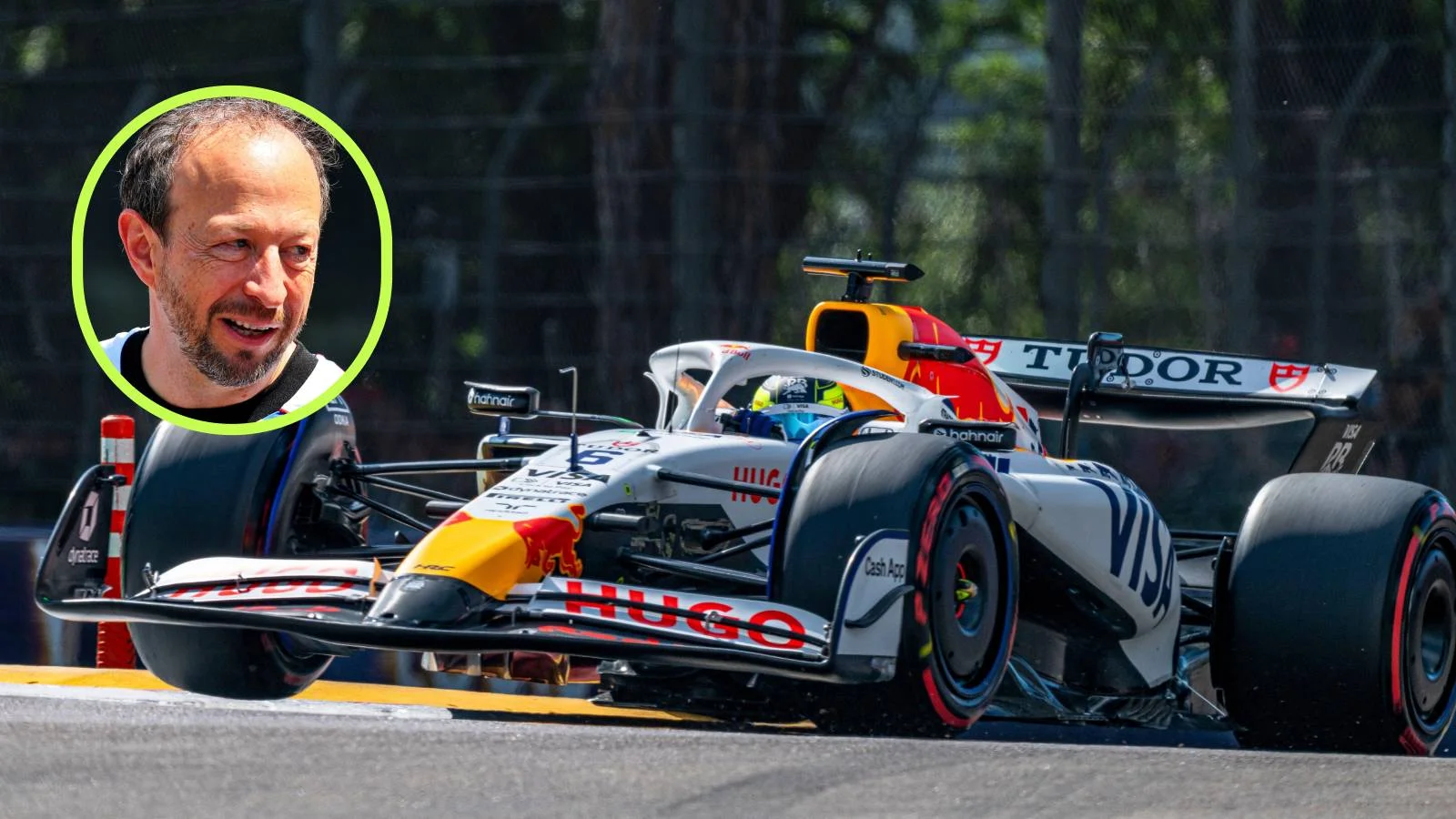

The 2025 Monaco Grand Prix exposed new levels of confusion surrounding F1 driver and team colour identification, as traditional and iconic colours like Ferrari’s red and McLaren’s papaya suits were absent. This shift disrupted visual cues long relied upon by fans and commentators alike, prompting questions about branding consistency in Formula 1’s evolving landscape.
Returning to Monaco, the location of a famous 1982 race steeped in chaos, the sight of drivers such as Lando Norris, Charles Leclerc, and Oscar Piastri wearing white suits instead of their conventional colours perplexed many spectators and commentators. These changes complicated efforts to identify drivers and connect with the teams, especially for newer or casual viewers of F1.
The Challenge of Identifying Drivers Amidst Helmet and Suit Changes
Colour-based identification in F1 has long centered on driver helmets and team colours, but recent trends have strained this system. An illustrative moment came in 2013 at the United States Grand Prix, where a new fan struggled to distinguish Lewis Hamilton’s car, as the silver Mercedes design blurred visual distinctions. Hamilton’s choice to switch to a red helmet for that race further complicated recognition, with even seasoned followers mistaking Nico Rosberg for Hamilton due to helmet colour similarities.
This confusion resulted in fans stepping away from the sport, overwhelmed by the lack of clear visual markers. Helmet colours, once a reliable tool to identify drivers on the track, have become less predictable, as multiple drivers frequently alter their designs.
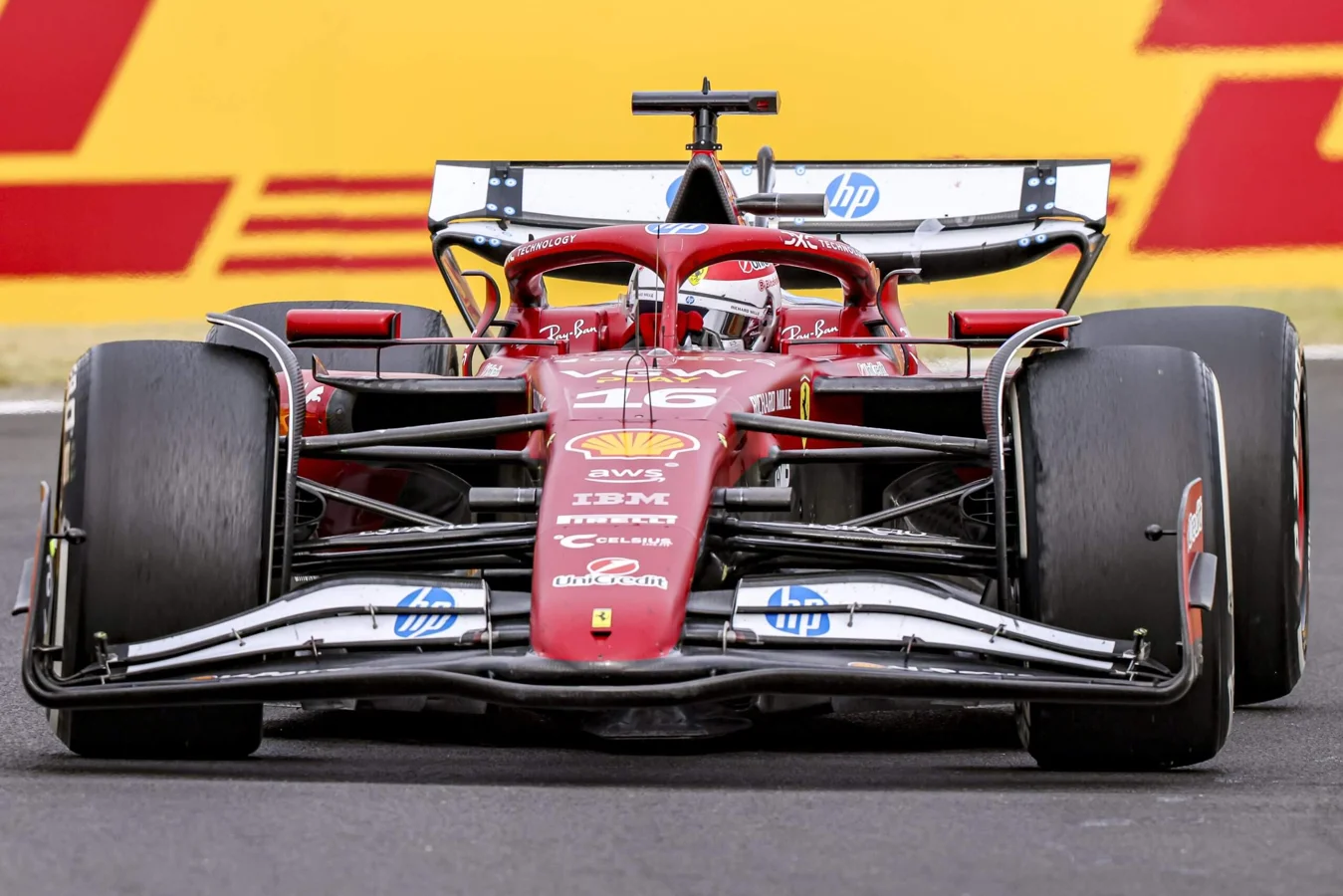
The Impact of Monaco 2025’s White Suits on Ferrari and McLaren Branding
The 2025 Monaco GP marked a notable departure for Ferrari and McLaren, whose drivers appeared in all-white suits rather than their trademark colours. Ferrari’s signature Rosso Corsa red, a core element of its identity since the 1920s and deeply connected to its heritage, was entirely absent on race day. Similarly, McLaren’s famous papaya suits, a defining feature relaunched under Zak Brown’s leadership, were replaced by white ones that appeared rushed and out of character with the team’s polished image.
At the celebrations, Zak Brown wore the recognizable papaya colours while his drivers stood in stark, mismatched white suits. This visual inconsistency undermined efforts to strengthen brand recognition during a prime event, depriving fans of a clear team identity and potentially alienating some supporters.
Branding and Driver Identity: Lessons from Hamilton’s Helmet Choices
Lewis Hamilton’s evolving helmet colours also illustrate the complexities of personal branding in F1. Early in his career, Hamilton’s bright yellow helmet paid homage to Ayrton Senna and provided a clear identifier for fans. Over time, however, Hamilton experimented with multiple different helmet designs, ranging from a stark white style to multicoloured treatments, including a rainbow-themed helmet symbolizing support for the LGBTQ+ community in areas with human rights challenges.
While these choices attracted positive attention, they disrupted the consistent visual identity many fans had come to associate with Hamilton, reflecting broader challenges faced by the sport as individual driver branding diversifies.
Professional and Fan Confusion Over Helmet and Livery Changes
Colour confusion is not limited to casual fans. Even experts and commentators have struggled to keep pace with the rapid transitions. For example, during the 2022 French Grand Prix, Sky Sports F1 pundit Paul Di Resta misidentified a driver after relying on helmet colour cues, highlighting the difficulty of keeping track amid frequent changes. Similarly, at the 2023 Circuit of the Americas, commentators openly admitted to confusion when teams like Alpine adopted papaya accents resembling McLaren, and McLaren debuted a chrome livery, while Max Verstappen unveiled a new blue helmet.
These inconsistencies complicate the viewing experience, especially for new audiences eager to connect with the teams and drivers but left bewildered by fluctuating visual signals.
Ferrari’s Departure from Tradition at Recent Home Races
Ferrari’s 2023 Italian Grand Prix appearance in black driver suits starkly contrasted with the team’s red livery and the passionate support of Tifosi fans clad in red. This move away from the iconic Rosso Corsa raised eyebrows and diminished the symbolic union between the team and its supporters during crucial moments such as a home victory.
The red livery and driver suits are a core part of Ferrari’s brand, instantly recognisable and deeply tied to its heritage. Seeing Leclerc and Sainz in black carbon fibre-themed suits at Monza clashed with this tradition and diluted the celebratory connection fans craved, making the victory feel less quintessentially Ferrari
—Unnamed commentator
This choice puzzled many, as it diminished the deep-rooted connection that established colours foster between a team and its loyal fan base, highlighting how vital consistent visuals are to sustaining brand loyalty within sport.
Historical Insights on Colour Branding Importance in F1
Historical examples reinforce the value of stable driver branding. In 2000, both David Coulthard and Mika Hakkinen, former McLaren teammates, famously declined offers of $1 million to abandon their personal helmet colours for sponsor demands, underscoring the importance of individual colour identity in building long-term recognition.
The legacy of Ron Dennis also offers perspective, as his decision to compromise McLaren’s papaya colours for varying sponsor liveries arguably diluted the team’s branding strength. Given that sponsorships come and go, consistent colours provide clearer and more enduring team recognition.
The Role of Liberty Media and the Need for Branding Clarity
Since Liberty Media took ownership of Formula 1, the sport has experienced tremendous growth, particularly in America and Asia, expanding its global fan base. The enhanced franchise development and commercial expansion have undeniably boosted Formula 1’s popularity. However, despite these successes, the on-track product continues to suffer from inconsistent and confusing visual branding, as seen in helmet and suit changes that complicate fan engagement.
This lack of clarity threatens to undermine the experience for new fans, who may find it frustrating to follow drivers without recognizable colour cues, potentially limiting the sport’s ability to nurture a wider audience.
Reflecting on Fan Experience and Continuing Confusion
More than a decade after a memorable encounter with a new fan at the Circuit of the Americas who struggled to identify drivers due to helmet and colour confusion, the problem persists with even greater intensity. The rarity of clear, consistent colours makes it difficult for newcomers to connect with the spectacle of F1 racing, as the rapid changes demand too much effort to simply recognize who is on track.
It remains uncertain if longstanding fans will tolerate this ongoing visual ambiguity or if F1 risks losing new followers who find the sport’s presentation needlessly complex. A return to clear, iconic colours could help fortify fan connection and ensure that the excitement of events like Monaco and Monza are amplified rather than undermined by avoidable branding confusion.
Calls for Preserving Iconic Colours to Improve Fan Engagement
The question arises whether teams like Ferrari should be prevented from straying from their iconic colours, such as the traditional red suits, to avoid undermining their brand identity during key races. A consistent visual identity not only honors the team’s heritage but also plays a crucial role in uniting and energizing fans on race day.
This concern extends across the grid, as uniformity in colours for helmets, suits, and cars would reduce confusion and reinforce the strong emotional bonds that make Formula 1 not only a sport but a vibrant cultural phenomenon.
Looking Ahead: The Importance of Colour Consistency for Formula 1’s Future
The growing F1 driver and team colour confusion revealed at the 2025 Monaco Grand Prix serves as a reminder that branding still matters deeply in modern motorsport. For Formula 1 to continue expanding internationally and attracting new fans, it must balance innovation with the preservation of clear, recognizable team and driver identities.
As the sport moves forward, re-establishing iconic colour schemes—such as Ferrari’s Rosso Corsa and McLaren’s papaya—both on the track and podium will be vital in reducing confusion and enhancing fan engagement. Without this, the risk remains that casual viewers, new fans, and even longtime followers may feel disconnected from the spectacle and excitement that Formula 1 offers.