
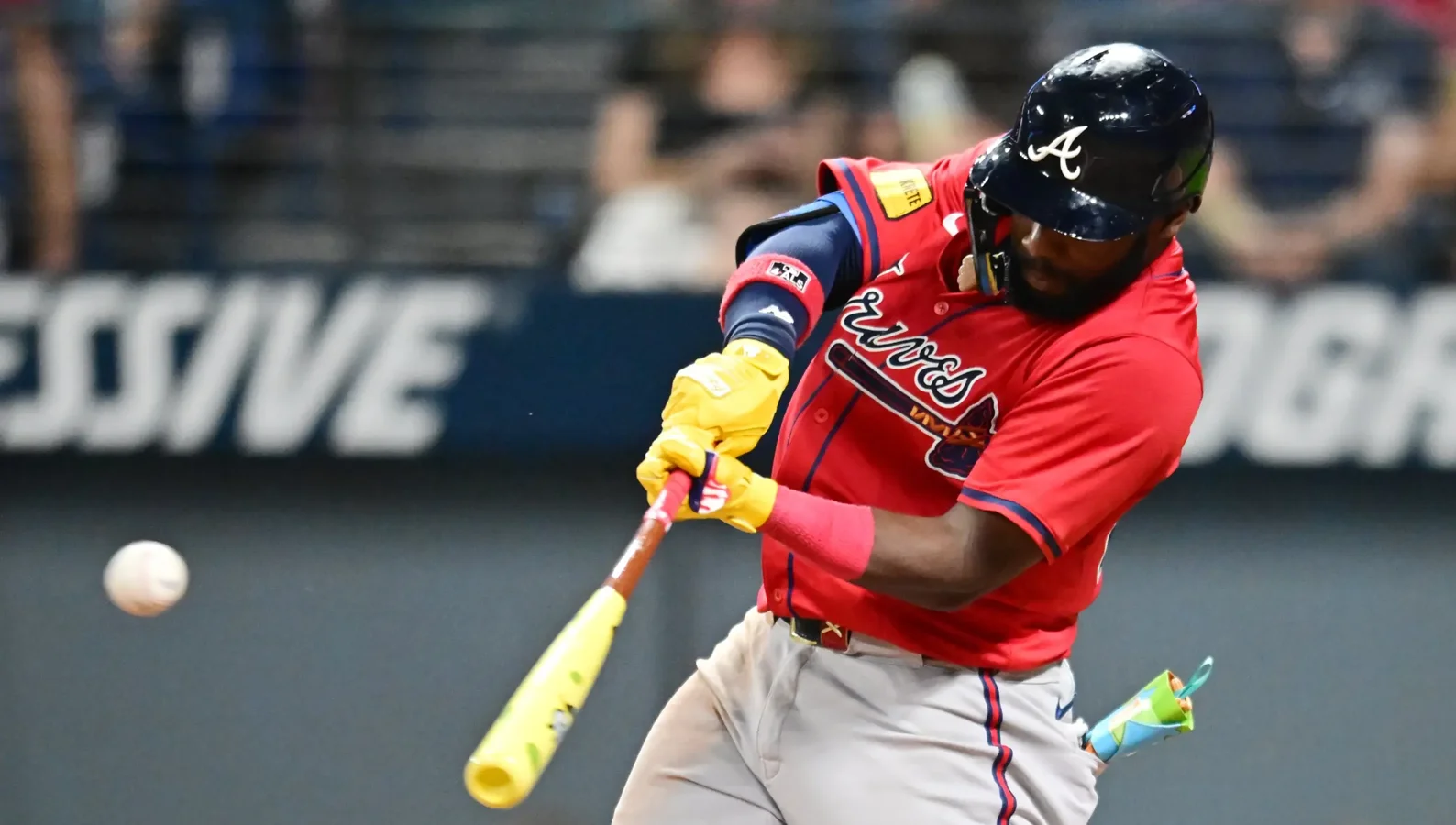

Michael Harris II began the 2025 season with significant difficulties at the plate, sparking debate over whether the Atlanta Braves should option their centerfielder to Triple-A to regain his form. However, his performance took a dramatic upswing following the All-Star break, fueled by critical changes to his batting technique. Opting for a more open stance with his hands held higher, Harris managed to increase both the speed and power of his swing, turning his season around abruptly.
Dominating the Centerfield Leaderboards
Since adjusting his approach, Harris has emerged as arguably the top-hitting centerfielder in Major League Baseball, leading across a variety of key offensive statistics. His batting average stands at an impressive .366, complemented by a slugging percentage of .693 and a weighted on-base average (wOBA) of .454. Additionally, Harris has accumulated 37 hits and three triples, while posting an OPS (on-base plus slugging) of 1.078, the best among his peers. According to Running from the OPS, he leads all centerfielders not only in raw hitting metrics but also in advanced statistics such as WAR (wins above replacement), where he registers 1.6 since the break.
Power and Consistency: A Rare Combination
Harris’s exit velocity has also caught attention, averaging 93.2 miles per hour, which places him just behind Oneil Cruz, who holds the record for the hardest-hit ball in MLB history. Cruz, however, adopts a high-risk hitting style, which has resulted in a much lower batting average of .207. This contrast highlights Harris’s unique blend of power and consistency, a trait often reserved for elite sluggers like Aaron Judge and Shohei Ohtani. His ability to combine sustained contact with significant power suggests he could soon be in serious contention for a Silver Slugger award.
Implications for the Braves’ Playoff Hopes
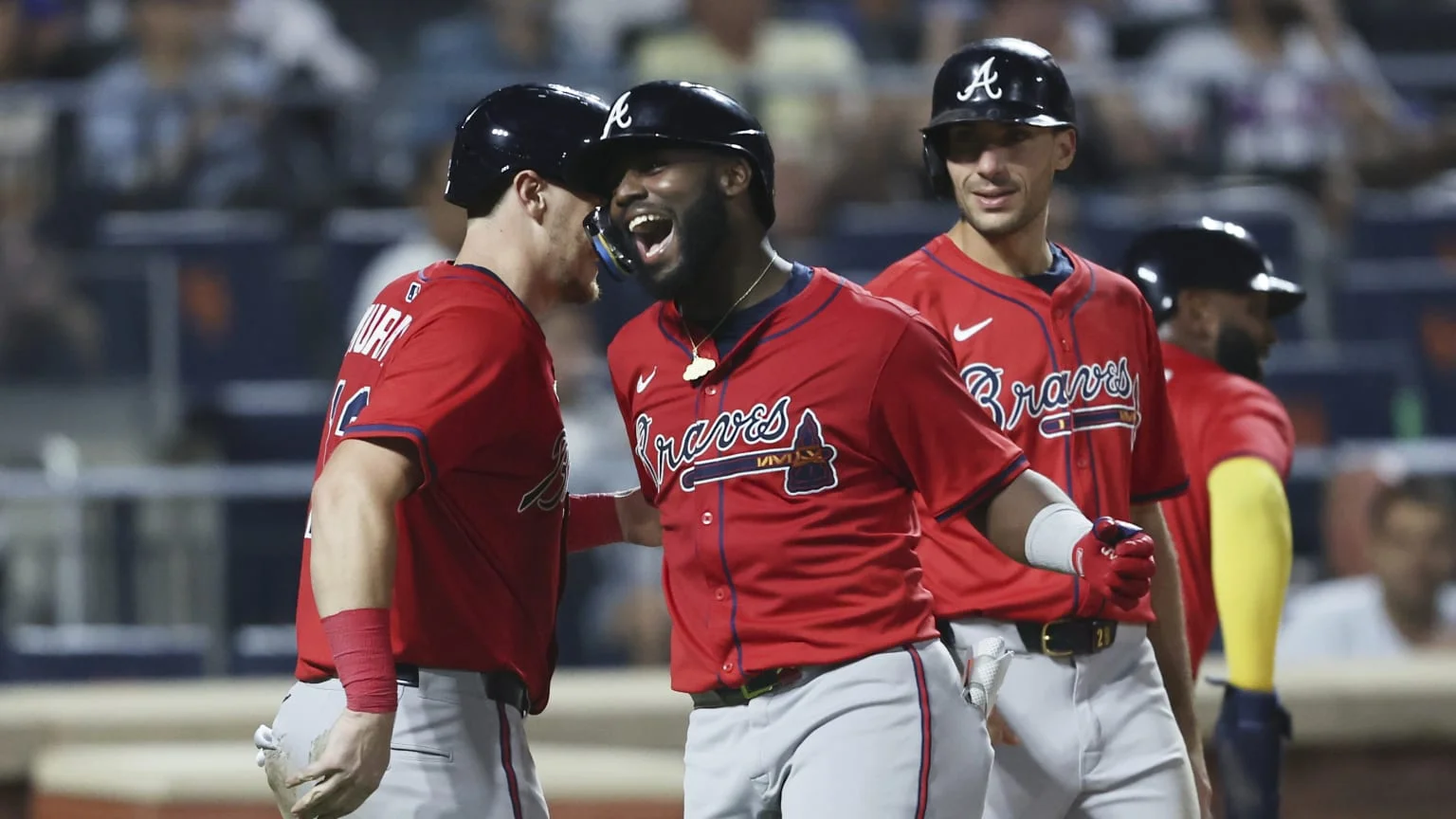
Despite Harris’s individual surge, the Braves face challenges as they look ahead to postseason possibilities. General manager Alex Anthopoulos has indicated that the organization’s primary focus remains on rebuilding for the 2026 season, signaling a longer-term perspective beyond the current campaign. Still, Harris’s outstanding form could provide the necessary boost if the team attempts a late-season run for the playoffs, a scenario that remains plausible given baseball‘s momentum-driven nature.
Contract Value and Trade Considerations
Michael Harris II is currently signed for just under $10 million annually, a relatively modest salary for a player now producing at an elite level. This value has shifted fans’ perceptions dramatically, from frustration early in the season to strong support for retaining him. Sports Illustrated’s Harrison Smajovits warned against trading Harris at the deadline, stating,
“If he’s playing at this level, the Braves would be handing the ultimate steal of a contract to another team.”
This remark underscores Harris’s newfound importance as a core asset for Atlanta.
Looking Ahead
Harris’s ongoing success represents a pivotal development for the Braves, potentially altering the team’s trajectory as they navigate the remainder of the season. If he can maintain his form, the centerfielder’s batting transformation may become a driving force behind Atlanta’s efforts to secure a postseason berth, despite broader organizational plans focused on future seasons. His rare combination of power and consistency places him among the most exciting players to watch across all of baseball.