
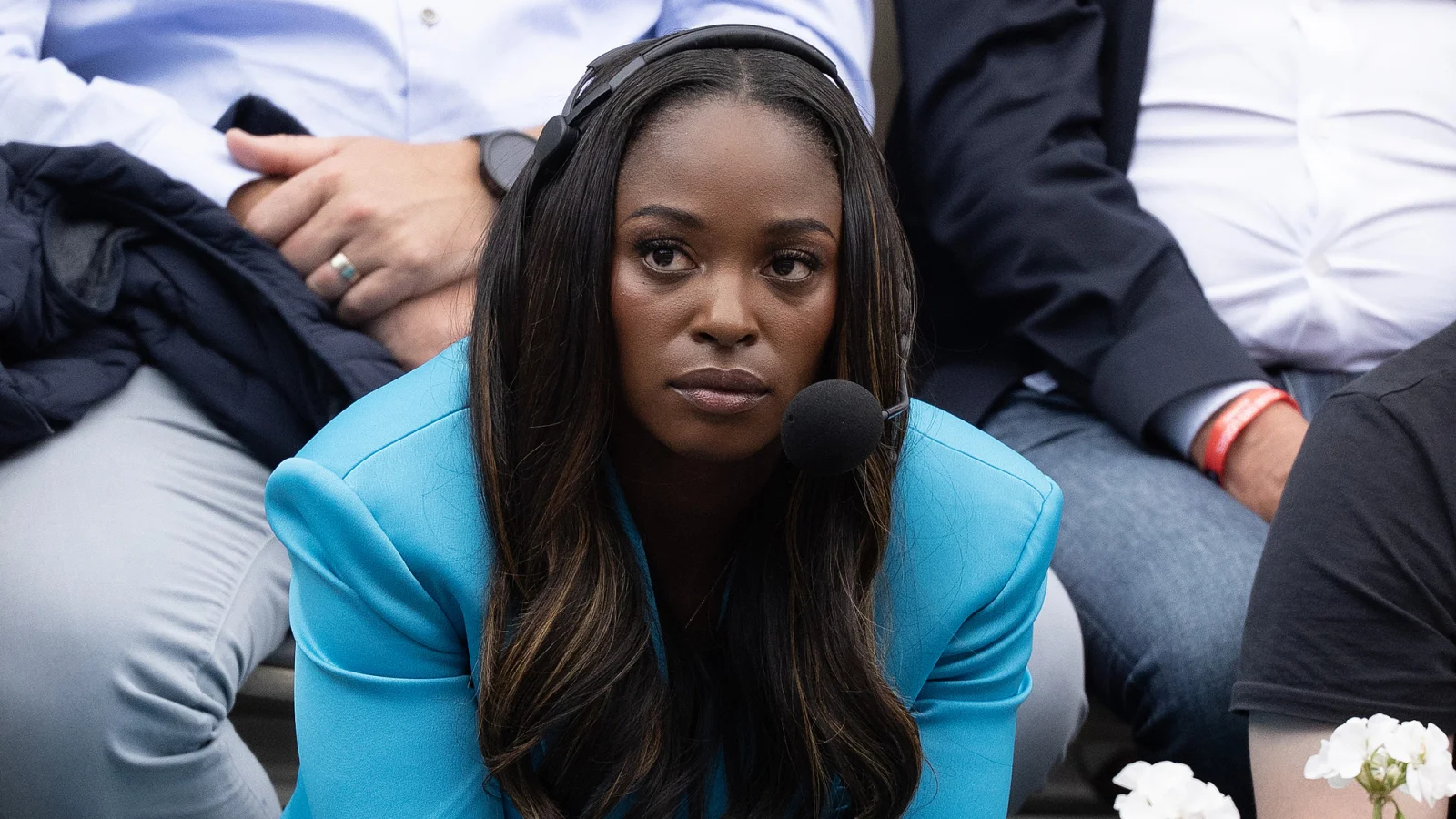

Former Grand Slam champion Sloane Stephens has voiced that additional progress is necessary despite the announcement of a 20% rise in the total prize money for the US Open, starting with this year’s tournament in New York. Stephens, the focus of much tennis attention, emphasized that while the increase is encouraging, players still have more to push for in financial earnings.
Career Highlights and Recent Challenges for Stephens
Sloane Stephens, who clinched her sole Grand Slam title by defeating Madison Keys 6-3, 6-0 at the 2017 US Open, was ranked outside the top 900 players following foot surgery that sidelined her for nearly a year. That remarkable victory vaulted her ranking from 975th to 17th globally and earned her the WTA Comeback Player of the Year award. The Florida-born player later reached her career-high ranking of World No. 3 and made it to the French Open final the year after her US Open triumph.
However, Stephens has since faced injury setbacks affecting her consistency on the WTA Tour. Now 32 years old, her participation has been sporadic, with her most recent match resulting in a first-round exit earlier this year at the Mérida Open.
Remarks on the Financial Landscape in Tennis
Discussing the prize money increase in an interview with CNN, Stephens expressed cautious optimism but stressed that the financial gains made by players, especially at the Slams, remain limited. She stated,
“There’s still more money to be made,”
before adding,
“There are still more opportunity. We are working, we are going in that direction.”
Stephens highlighted the power balance at the Grand Slam level, explaining,
“I do think that the Slams have a lot of control over what happens and how much money we are allocated. These things take a long time. It is a very 50-50 type of business relationship and we don’t obviously get anywhere near 50%.”
She concluded by noting,
“So to be able to raise the prize money and have a little bit more of a fair balance, I think that’s what we’re going for.”
The Broader Impact of Prize Money Adjustments
The US Open’s increased prize pool marks an important step toward better financial recognition for players on the WTA circuit, yet Stephens’ comments reveal ongoing concerns about how revenues are distributed. This conversation is likely to influence future negotiations between players, tournament organizers, and governing bodies as they seek to improve earnings and support for athletes facing the physical and competitive demands of professional tennis. The 2024 edition of the US Open will be closely watched to see how these monetary changes affect player participation and morale moving forward.