
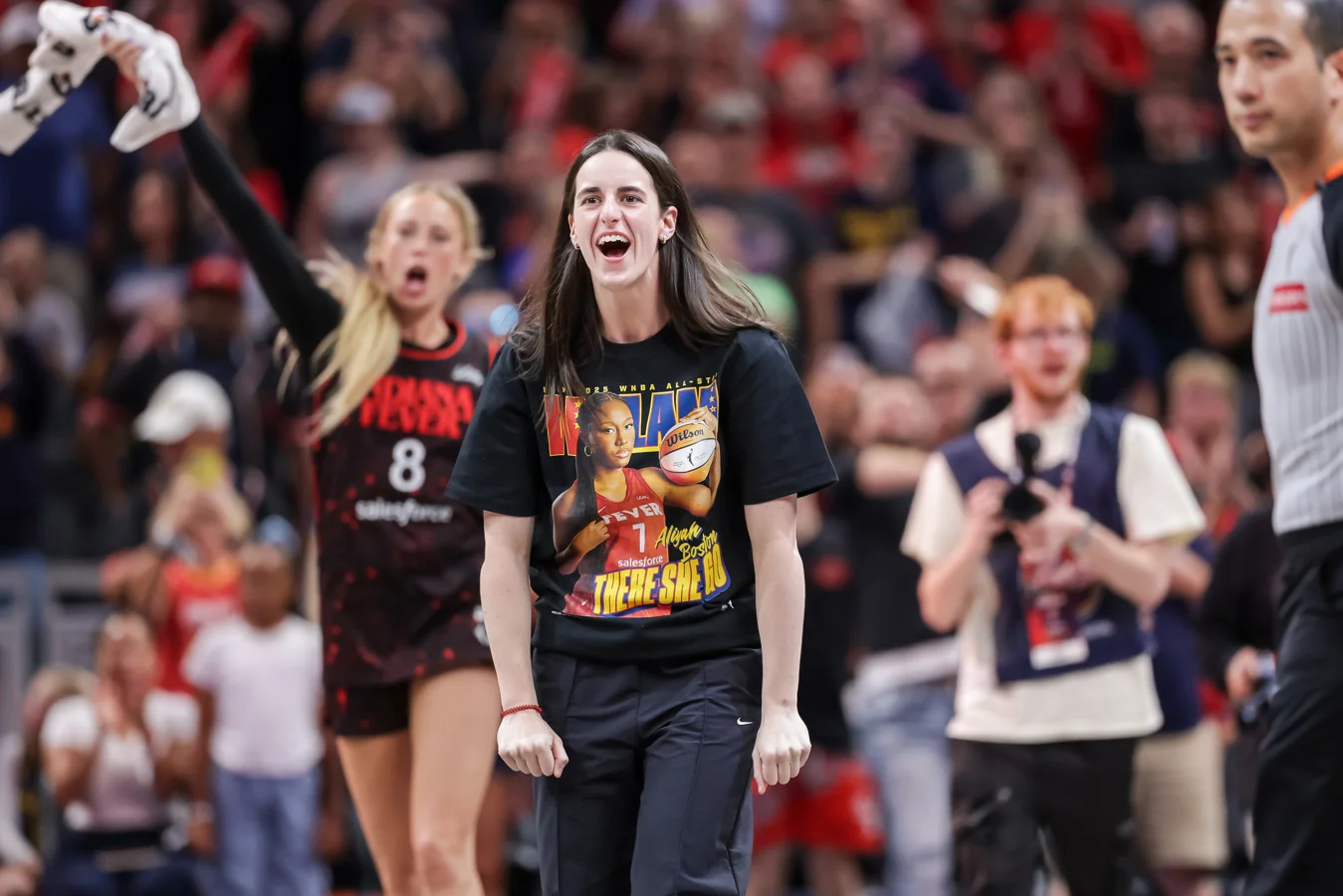

The Indiana Fever are edging closer to a crucial phase in their WNBA season as they prepare to face the Connecticut Sun, hoping to end a recent two-game losing streak. A key point of focus is the anticipated return of star guard Caitlin Clark, who has been sidelined due to a right groin injury for the past 12 games. Head coach Stephanie White recently hinted that Clark could rejoin the team before the regular season concludes, providing a much-needed boost to Indiana’s playoff aspirations.
Clark’s prolonged absence has tested the Fever’s depth, especially after losing both of their point guards to injuries. However, careful medical evaluations last month confirmed no additional damage, allowing the Indiana medical staff to remain cautious while prioritizing complete recovery. With just ten games left in the schedule, Clark’s potential comeback offers renewed hope amid uncertain circumstances.
Medical Perspectives and Challenges Surrounding Clark’s Injury Comeback
While there is optimism from the Fever’s coaching staff, the nature of Clark’s injury raises lingering questions. Former WNBA star Lisa Leslie, who experienced a persistent groin injury during her playing career, provided a sobering viewpoint on the challenges Clark might face moving forward. Leslie explained how groin injuries can continue to cause pain and affect performance even after an athlete returns to competition.
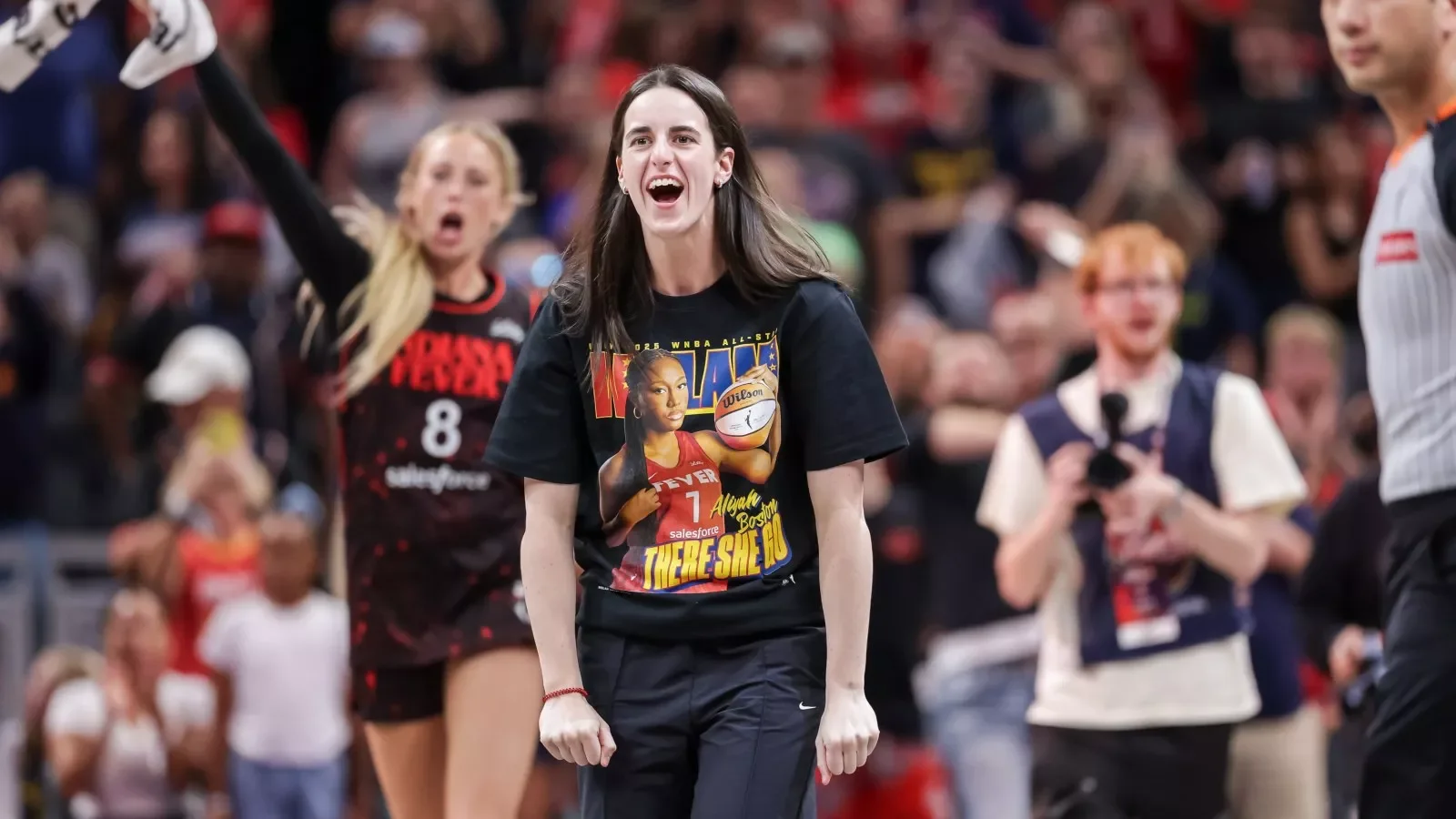
You just learn how to manage and play with it,
Leslie said, highlighting the difficulty of fully overcoming such injuries and explaining that they can impair critical movements like shooting. She suggested Clark’s performance dip following her return was consistent with these difficulties, noting that lingering groin pain can limit explosiveness and consistency on the court.
Before her injury, Clark averaged 18.2 points and 8.8 assists across nine games but saw a decline when she returned, dropping to 12.5 points and 8.75 assists over four games. This statistical change illustrates the struggle athletes often face while balancing injury recovery and competitive play.
Caitlin Clark’s Personal Reflections on Managing Her Recovery
Clark herself has openly acknowledged the mental and physical challenges this injury has presented. Speaking to Sue Bird in an interview, she reflected on the unfamiliar experience of dealing with an injury that disrupted her rhythm and confidence. Clark expressed difficulty in understanding the pain initially and adapting to new limitations on her physical capabilities.
I’ve never been through anything like this, which is probably why it’s been so hard,
Clark shared.
I’ve never really dealt with injury. It’s probably been a challenge in itself because when I was first feeling pain, I didn’t understand it.
These candid comments underline how the recovery process extends beyond physical healing, emphasizing the psychological battle athletes endure when sidelined by injuries. Despite these challenges, the hopeful message from Coach White assures Clark’s supporters that her return is expected in the near term, sparking anticipation that she might reignite Indiana’s postseason push.
Impact of Clark’s Absence on Indiana Fever’s Season and Playoff Prospects
The Fever’s recent stretch has been turbulent, featuring a streak of five wins followed by critical injuries that severely thinned their guard rotation. Losing both main point guards challenged the team’s cohesion and left their playoff trajectory uncertain. Clark’s absence has made this season’s push more difficult, but her possible return represents a vital opportunity to restore offensive firepower and leadership at a pivotal moment.
Fans and analysts alike recognize Clark as a central figure in Indiana’s game plan, and her skillset enables the Fever to compete against elite opponents. As the Fever face the Connecticut Sun, one of the league’s top teams, the significance of Clark’s potential return cannot be overstated, with anticipation growing about the difference she could make in these closing matchups.
Veteran Insight Suggests Long-Term Management of Injury for Clark
Lisa Leslie’s perspective offers a cautionary note beyond the immediate return, highlighting the possibility that Clark’s injury might require ongoing management throughout her career. Leslie recalled her own experiences battling a lasting groin problem that significantly affected her playing days even after recovery. This insight suggests that while Clark’s return may provide an immediate boost, maintaining long-term performance might depend on adapting to the injury’s persistent impact.
This dimension of Clark’s condition raises broader questions about athlete health in professional sports, underscoring that recovery is a dynamic and multi-layered process. It also places considerable demands on training staff and medical personnel to tailor approaches that allow elite players like Clark to compete effectively while minimizing risks of re-aggravation.
Next Steps and Fan Outlook for Indiana Fever’s Late-Season Push
The Fever’s remaining schedule is critical, and Clark’s availability will be closely monitored as the team battles for a playoff berth. The positive signals from Stephanie White affirm that the staff remains committed to a patient and measured approach with Clark’s rehabilitation, prioritizing her readiness over a rushed return. This strategy reflects a balance between urgency for on-court contributions and long-term player health concerns.
Indiana Fever fans, already on edge after a rollercoaster season, now have cautious optimism to hold onto. Clark’s potential return could serve as a turning point, galvanizing the team’s offense and restoring confidence ahead of the postseason. However, whether Clark can fully regain her pre-injury form in time to impact the playoffs remains to be seen, as both player and team face the complex realities of recovery and competition.