
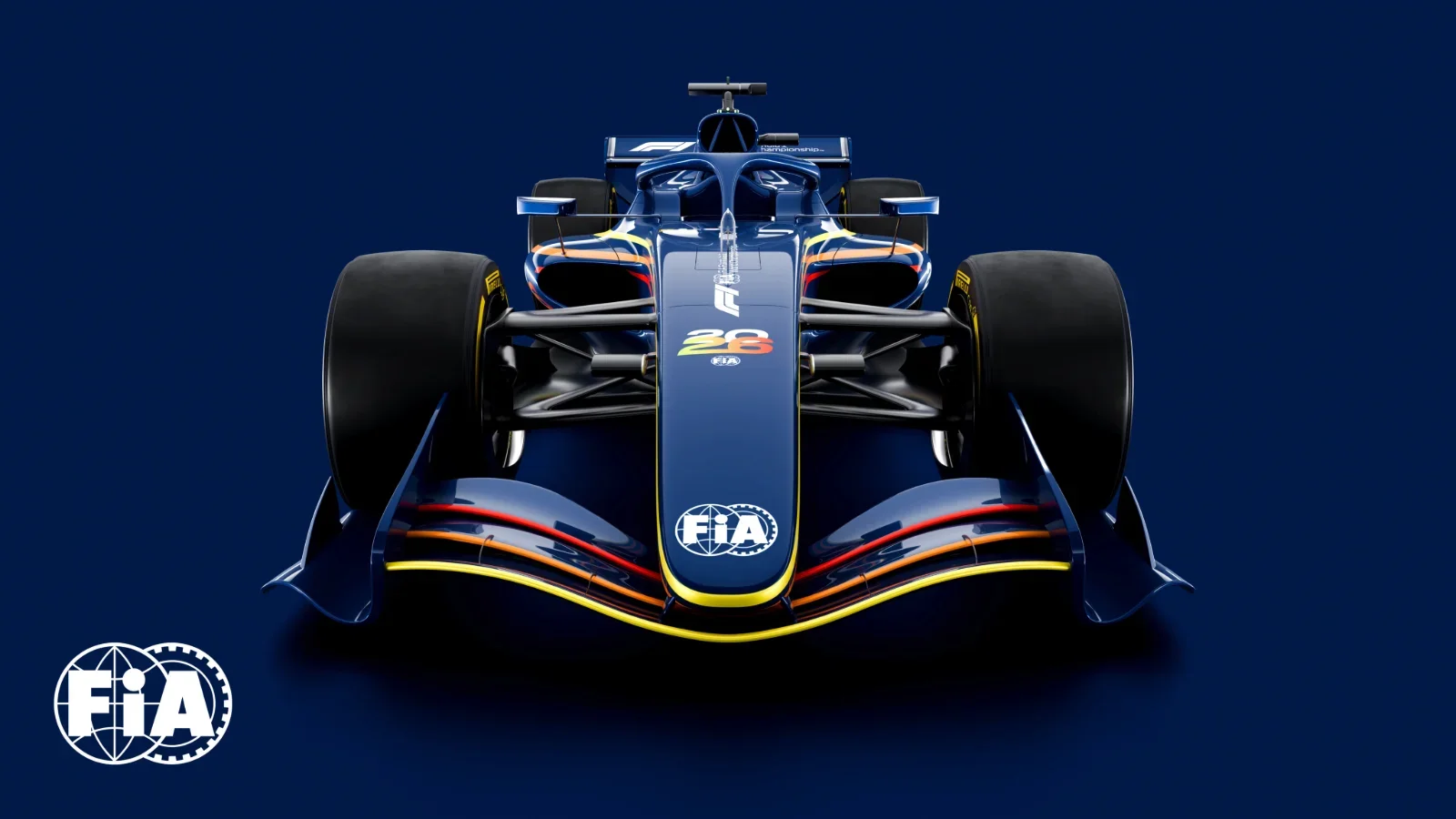

Four-time Formula 1 World Champion Sebastian Vettel remains skeptical about whether the F1 2026 regulations and concerns will lead to more exciting racing on the track. While many teams are already developing new cars for the upcoming season, Vettel doubts the radical shift in chassis, aerodynamics, and power unit rules will create the kind of on-track action fans expect.
The 2026 season is set to introduce a significant redesign, requiring power units that combine a 50/50 split between internal combustion engines and electric motors, with a strict mandate for fully sustainable fuels. Moveable aerodynamic surfaces are expected to replace previous overtaking aids such as the Drag Reduction System (DRS), while lighter cars aim to increase agility. Despite these innovations, early simulator feedback from current drivers has been less than enthusiastic, with some describing the experience as dull and uninspiring.
Concerns about cost and technical direction echo previous F1 rule changes
Vettel recently voiced his apprehensions in an interview with German magazine Auto Motor und Sport, highlighting parallels between the 2026 rules and the controversial introduction of hybrid power units in 2014. That earlier transition, intended to attract manufacturers focused on sustainability, resulted in rapidly escalating development costs without corresponding improvements in racing quality.
“It cost far too much money and did not benefit the series,”
—Sebastian Vettel, Four-time World Champion
The enormous spending by leading teams like Mercedes forced the implementation of cost caps to curb runaway budgets and maintain some competitive balance. Vettel argues the new regulations fall into similar pitfalls by cutting back on innovative technical solutions introduced with the previous engine formula, aiming to reduce expenses but risking the loss of engineering excellence.
“Innovative solutions from the previous engine regulations are being dispensed with in order to make it less expensive,”
—Sebastian Vettel, Four-time World Champion
This simplification is designed to appeal to new manufacturers, yet Vettel questions whether this will ultimately benefit the sport or dilute its technological relevance.
Mixed feelings on electrification and sustainable fuels in F1’s future
While Vettel recognizes the importance of electrification in automotive mobility, he remains unconvinced by some of the choices in the 2026 power unit design. Specifically, he criticizes the energy recovery system that only captures energy from the rear axle.
“I’m not entirely convinced by the new regulations yet. Recovering energy is great, but doing it only on the rear axle and ignoring the front axle doesn’t make sense to me.”
—Sebastian Vettel, Four-time World Champion
The introduction of sustainable fuels also raises questions for Vettel, who acknowledges their necessity outside motorsport, particularly for road vehicles, shipping, and aviation. He warns, however, that unrestricted development in Formula 1 could lead to unproductive outcomes similar to the 2014 hybrid engine era.
“I think climate-neutral fuels are good because there is a need for them in the world outside motorsport,”
—Sebastian Vettel, Four-time World Champion
“When it comes to fuels, we should close the door by limiting the origin of the molecules and establishing a certain degree of relevance for series production.”
—Sebastian Vettel, Four-time World Champion
Vettel stresses that sustainable fuel use must maintain a clear link to practical, mass-produced applications rather than becoming purely a performance racing experiment.
The ongoing struggle to balance cost, performance, and sporting appeal
The new 2026 cars are expected to be lighter than their predecessors, but Vettel argues this is insignificant compared to the overall car weight, which remains excessive for the desired agility.
“It’s just a drop in the ocean,”
—Sebastian Vettel, Four-time World Champion
He emphasizes that the fundamental question is what Formula 1 intends to achieve with its regulations and whether its resources are being allocated effectively. Vettel laments that current engines are prohibitively expensive and too complex to influence road car technology meaningfully.
“The current engine is too expensive. Apart from the sticker hybrid, there has been no transfer to series production because it is too complex and too expensive.”
—Sebastian Vettel, Four-time World Champion
This disconnect points to a broader trend of Formula 1 shifting toward entertainment rather than technological innovation or environmental leadership.
“There will be a move away from this transfer and more towards entertainment,”
—Sebastian Vettel, Four-time World Champion
Vettel draws parallels to other consumer products, stating that just as shoes must be produced ethically and sustainably, motorsport and the cars involved should also meet these standards without sacrificing the essence of competition.
“The same applies to cars and motorsport events. It would be a shame if motorsport as we know it ceased to exist. It’s perfectly normal for it to change.”
—Sebastian Vettel, Four-time World Champion
The future of Formula 1 amid rising concerns and uncertainty
Ultimately, Vettel calls for racing that remains close and competitive without harming the core spirit of Formula 1 or becoming financially inaccessible to fans.
“From a sporting perspective, the competition must be as close as possible without damaging the spirit of Formula 1. And people must still be able to afford to watch the sport.”
—Sebastian Vettel, Four-time World Champion
With multiple stakeholders expressing unease about how the 2026 regulations might affect the sport’s excitement and sustainability, the true impact will only be revealed once the new cars take to the track. Industry figures such as Mercedes team principal Toto Wolff have also weighed in, underscoring the ongoing debates as F1 prepares for a pivotal transitional phase.