
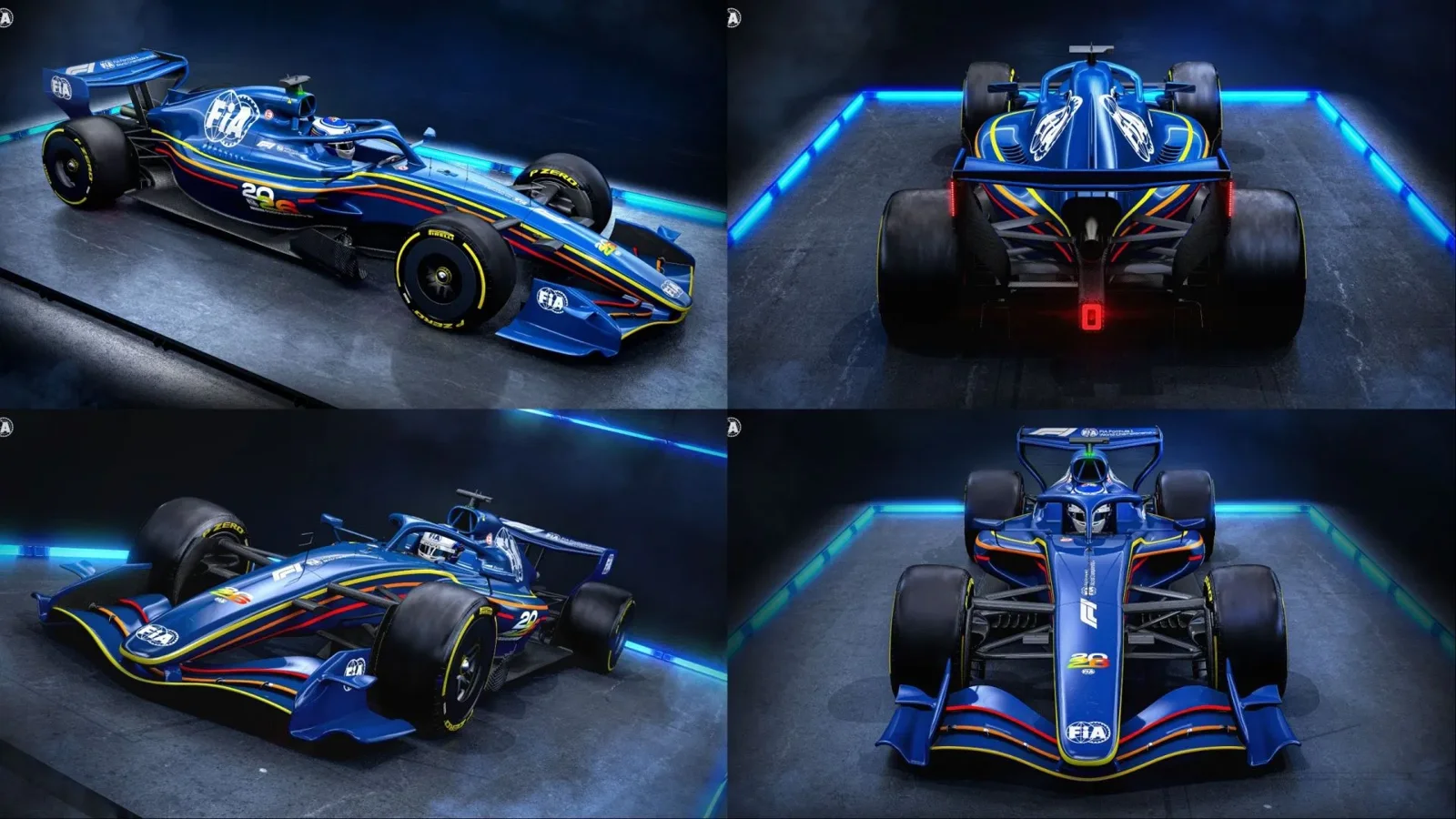

Four-time Formula 1 champion Sebastian Vettel has expressed serious concerns about the upcoming F1 2026 regulations, warning that they could undermine what has traditionally made the sport thrilling and unique. Speaking with the German publication Auto Motor und Sport, Vettel acknowledged the importance of moving towards greener technology but emphasized that these changes must not compromise the core spirit and accessibility of Formula 1 racing.
He stated,
“From a sporting perspective, the competition must be as close as possible without damaging the spirit of Formula 1. And people must also be able to afford the sport,”
highlighting that the balance between competitiveness, tradition, and cost is critical for the future of F1.
Preparations underway with focus shifting to 2026’s lighter, more sustainable cars
Despite having ten races left in the 2025 season, most teams have started dedicating their efforts toward the 2026 technical regulations. These new rules forecast lighter and more nimble cars, shedding approximately 30 kilograms to enhance on-track racing battles. The power units will undergo a significant transformation, adopting an equal split between internal combustion engines and electric power, while running exclusively on 100% sustainable fuels.
Active aerodynamics will replace the existing Drag Reduction System (DRS), introducing movable front and rear wings to aid overtaking maneuvers. Additionally, a novel ‘push-to-pass’ feature will grant drivers brief surges of battery power when they are less than a second behind a competitor, aiming to create closer and more exciting race moments.
Vettel cautions that greener technology must not come at racing’s expense
While Vettel supports the shift towards climate-neutral fuels, he warns that the implementation must be carefully managed to avoid past mistakes. Reflecting on the 2014 regulation changes, which introduced 1.6-liter V6 hybrid engines, he cautioned against letting F1’s intense development focus steer these technologies in unwanted directions.
“I think climate-neutral fuels are good because there’s a need for them outside motorsport… for cars already on the road, for shipping, for aircraft… if you unleash the development race typical of Formula 1 on them, things can quickly go in the wrong direction, as was the case in 2014… We’re moving a little in that direction now, but it’s just a drop in the ocean. The cars are far too heavy. They should actually be 200 kilograms lighter,” he warned.
Vettel recalled that the heavier cars detract from the spectacle and handling, underscoring that sustainability should be pursued alongside making racing cars lighter and more affordable to maintain competitive integrity and fan engagement.
Uncertainty remains as initial testing approaches for new regulations
Vettel acknowledged that definitive judgments about the 2026 cars will not be possible until official testing begins in early 2026. The first evaluation sessions are scheduled at the Circuit de Barcelona-Catalunya on January 26, followed by tests in Bahrain. Until then, Vettel remains skeptical about whether the new regulations will truly enhance the sport.
“The new regulations aren’t entirely convincing to me yet,” he said, reflecting cautious optimism about the forthcoming cars.
This highlights a broader tension within F1 between technological innovation and preserving entertainment value. Vettel pointed out that Formula 1’s unique identity, including the famous roar and character of past engines, cannot be replaced by a fully electric approach like that of Formula E or endurance racing.
Preserving Formula 1’s sensory appeal and racing excitement
Recalling his experience of the V10 engine era, Vettel emphasized that the sensory elements—the sound and feel of the car—are integral to the sport’s fan experience. He commented,
“I was able to experience what a V10 feels and sounds like. And that’s part of the show and the Formula 1 experience. Back then, you didn’t just go to the racetrack to see who would win. You also wanted to breathe in the whole fascination around it.”
This suggests Vettel believes Formula 1 must maintain its distinct allure even as it adapts to environmental demands. Younger fans familiar only with hybrid-era cars may not share this connection, but preserving the sport’s spectacle remains vital.
Adding to this, early simulator feedback from current drivers trying out the 2026 car concepts reveals a lack of enjoyment, with some describing the experience as “not enjoyable” and “a bit sad.” This unease among those directly involved stresses the uncertainty around whether the regulations will successfully balance innovation with the sport’s traditional excitement.
Challenges ahead for maintaining affordability and fan enthusiasm
As teams prepare for the technical transition, keeping racing accessible and competitive comes alongside the challenge of integrating sustainability. Sebastian Vettel’s warnings highlight the risk that the sport could lose some of its fundamental appeal if these new rules fail to combine environmental goals with the thrill and close competition that draw fans worldwide.
The coming year will be crucial as testing reveals the real-world impact of the 2026 regulations, setting the stage for Formula 1’s future direction. Enthusiasts and insiders alike will be watching closely to see if the new formula maintains the sport’s spirit or alters it too drastically.