
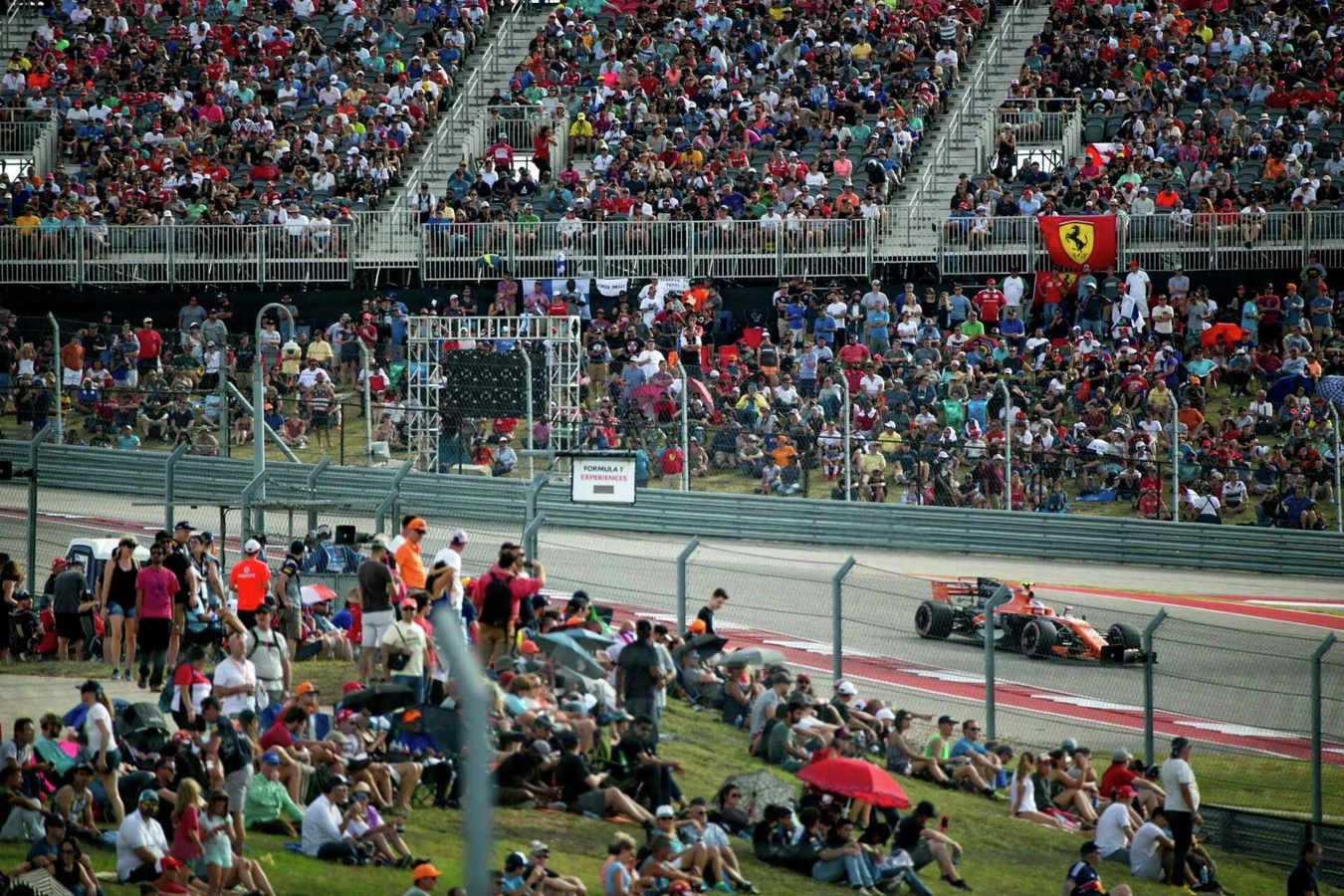

Formula 1 has aimed to establish itself firmly in the United States since its first World Championship season in 1950, but it was only recently, amid the COVID-19 pandemic and the success of a Netflix docuseries, that the sport made significant progress in winning over American fans. Despite growing global popularity, F1 struggles gaining American fans due to a combination of historical, cultural, and logistical challenges, according to McLaren Racing CEO Zak Brown.
Historical Challenges Undermining F1’s Connection with US Fans
Formula 1’s presence in America has been inconsistent and fragmented for decades. Although the Indianapolis 500 was the sole non-European race included on the original 1950 World Championship calendar, the sport failed to connect deeply with audiences in the US. Over the years, popular tracks like Watkins Glen and Long Beach contributed positively to shaping American perceptions of Formula 1. However, unlike enduring venues such as Spa-Francorchamps or Silverstone in Europe, these American locations could not maintain lasting appeal or prominence in the racing calendar.
The sport’s sporadic visits and inconsistent scheduling made it difficult for fans to form meaningful, long-term attachments to F1 in the country. It was only during the COVID-19 lockdowns that the Netflix series Drive to Survive attracted new viewers by offering a behind-the-scenes look into the sport, sparking newfound interest among American audiences.
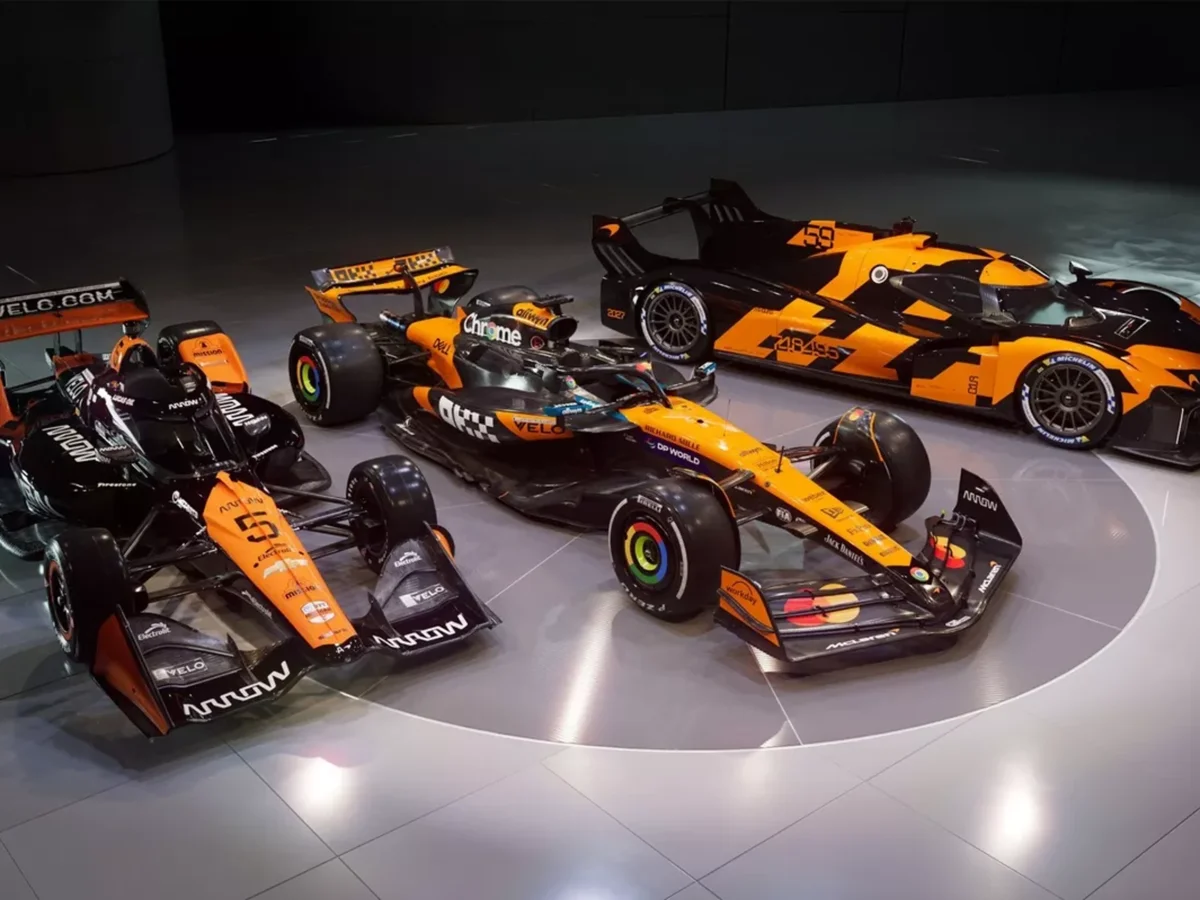
Zak Brown Identifies Three Major Obstacles Preventing F1’s American Breakthrough
In a detailed interview on the How Leaders Lead with David Novak podcast, Zak Brown outlined three key factors that have prevented Formula 1 from becoming a staple in American sports culture for many years. First, the issue of unstable and frequently changing race venues has undermined the sport’s ability to root itself in the US market.
“One, we never really found a permanent location, dating back to the ’70s,”
Brown explained.
“You were Long Beach, then you were Watkins Glen, then you were Dallas, then you were a parking lot in Vegas for two years, then you were Phoenix.”
Frequent changes in race location prevented fans from establishing a deep connection, as recurring events at consistent venues typically foster stronger local and national engagement in sports.
The second barrier Brown highlighted was the extended periods when Formula 1 was entirely absent from the North American racing circuit.
“Then you took five, six, seven, eight years off,”
Brown continued.
“There was no Formula 1 in North America.”
“Then we came back to Indianapolis. Then we had this ‘tiregate,’ as we called it, so we didn’t put on a good show. Then we disappeared again.”
“You’re not going to have any sport be popular in North America if you’re not there or you have no date or location equity.”
These long absences from American venues resulted in lost momentum and diminishing fan interest, as consistent exposure is vital to building a loyal following. Without a reliable spot on the calendar, fans had trouble relating to F1 as a regular part of their sports consumption.
Finally, a more profound issue lies with the sport’s reputation for elitism, which has made it seem disconnected and uninviting to many potential American fans.
“We also were a sport that was very exclusive, or perceived to be very exclusive and not very inclusive,”
Brown admitted.
He noted that when Liberty Media acquired Formula 1, new leadership recognized that while the sport had a global presence, it lacked the proactive fan engagement strategies common in leagues like the NBA, NFL, MLB, and Premier League soccer.
“I think that was fine for a long time, but now we’re in an era of engagement, not awareness. We weren’t engaging with our fans. We weren’t letting them inside. We were ‘look, don’t touch.’”
This exclusivity was reinforced by a limited social media presence and restricted access to the personalities behind the sport, which left fans feeling distant. In contrast, American sports thrive on behind-the-scenes exposure and personal stories that build deeper fan connections.
The Transformation Brought by Engagement and Accessibility
Brown explained that the combination of Liberty Media’s acquisition and the rise of the Netflix series has brought fans closer to the sport than ever before. By showing more candid moments and lifting the veil on racing complexities, Formula 1 began to break down barriers and generate genuine enthusiasm among American viewers.
Additionally, Formula 1 established three races in the US starting with the Grand Prix of Austin, Texas. Austin quickly gained recognition as one of the best events on the F1 calendar, offering an exciting on-track product and a fan-friendly atmosphere. This marked a shift from the sport’s previous absence and exclusivity to a focus on accessibility and engagement.
Brown stressed that embracing the entertainment aspect of racing was key to the sport’s evolving American appeal.
“I think the sport has now embraced that there’s an entertainment aspect to what we do, and the fans are responding accordingly.”
He noted that while some within F1 resist the idea of being entertainment, the reality remains that fans invest time and money to watch races just as they would at concerts or other popular events. Recognizing this has helped Formula 1 tailor its approach to better suit the expectations of diverse audiences, especially in the United States.
Looking Forward: The Future of Formula 1’s U.S. Market Prospects
The recent progress in attracting American audiences signals that Formula 1 is finally gaining ground in one of the world’s most competitive sports markets, but challenges remain. Establishing stable venues, maintaining a year-round presence, and continuing to engage fans authentically will be crucial for the sport’s long-term success in the US.
With stars like Logan Sargeant representing American talent and races firmly embedded on the calendar, F1’s popularity is expected to grow steadily. The sport’s ability to blend thrilling competition with transparency and fan interaction will determine whether it can overcome its historical barriers and join the ranks of America’s favorite entertainment options.