
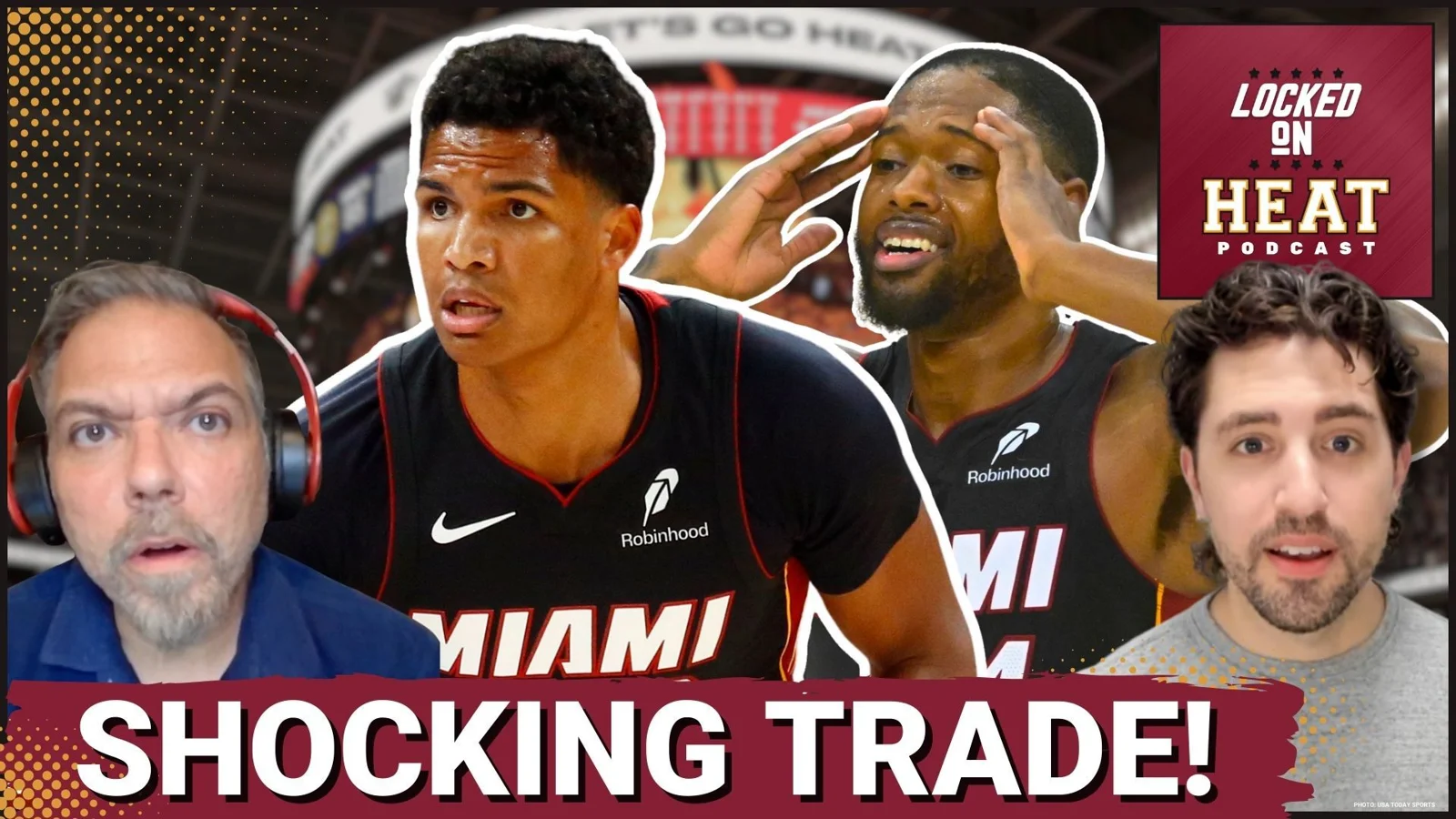

The Miami Heat’s recent trade of Haywood Highsmith to the Brooklyn Nets on August 15, 2025, may have significant repercussions for the Charlotte Hornets’ draft picks between 2026 and 2028. Highsmith, a defensive wing valued for his playoff contributions, was exchanged along with a 2032 second-round pick for a protected 2026 second-round pick that is unlikely ever to materialize for Miami. The move primarily served salary cap purposes, as Miami aimed to avoid luxury tax penalties during the 2025-26 season, influencing the future value of the first-round draft pick owed to Charlotte.
The Hornets, under the leadership of Mitch Kupchak and Jeff Peterson, have strategically acquired future protected first-round picks from Miami and Dallas, hoping these assets will bolster their rebuilding efforts. However, Miami’s recent trade and salary cap management might reduce the quality of the draft picks Charlotte expects to receive from the Heat.
Understanding Highsmith’s role and Miami’s rationale for the trade
While Haywood Highsmith’s offensive impact is limited, his defensive versatility made him an important rotational piece for Miami’s playoff runs. In the 2024-25 season, the Heat’s net rating improved by 2.4 points when Highsmith was on the court, mostly against fellow reserves. His defensive contributions helped maintain Miami’s competitiveness in tight playoff matchups, yet Miami’s decision to trade him seems rooted less in basketball strategy and more in financial considerations.
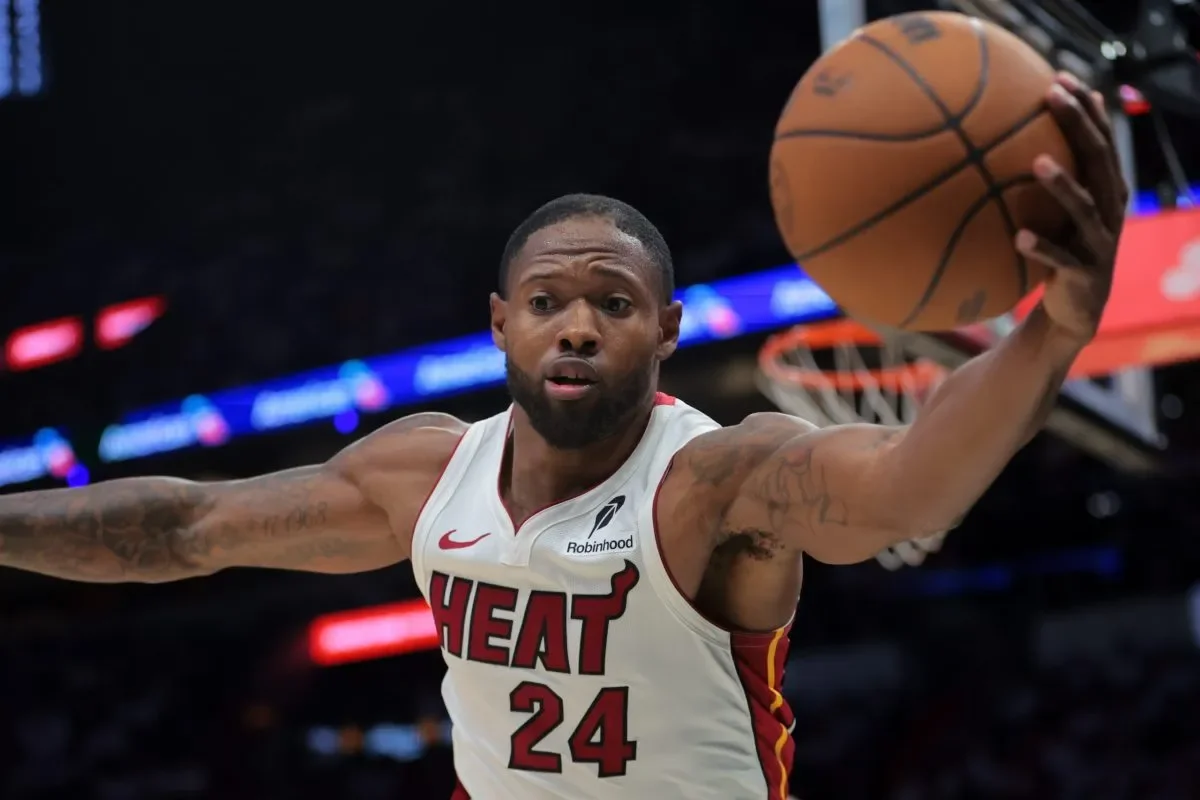
By moving Highsmith’s $5.6 million salary to Brooklyn and receiving minimal return, Miami shaved roughly $1.8 million from their payroll to stay below the luxury tax threshold. This move indicates Miami’s reluctance to overspend this coming season, prioritizing long-term financial flexibility over short-term roster strength.
Veteran Miami Herald journalist Barry Jackson commented on this decision, stating,
“This was, in my view, the first example this decade of Heat clearly worsening its roster for financial reasons, though I also get them not wanting to pay a tax when they don’t have a championship contender….. Heat didn’t want to leave itself at risk of not being able to get…” —Barry Jackson, Miami Herald sportswriter
His observation underscores that Miami’s management anticipates a competitive window in which avoiding the luxury tax now could enable greater spending power in future seasons.
Implications for Charlotte Hornets’ draft assets and future outlook
The Hornets hold Miami’s first-round picks for 2026 and 2027, both subject to lottery protections. Should the Heat miss the playoffs in 2027 and fall within the top 14 draft positions, Charlotte would acquire an unprotected pick in 2028. However, Miami’s willingness to forego heavy spending in 2025-26 suggests they might improve their roster for subsequent seasons, potentially reducing the likelihood that these picks fall high in the lottery.
With stars like Bam Adebayo, Tyler Herro, and Andrew Wiggins leading the Heat, Miami projects as a fringe playoff team in 2025-26. By careful payroll management and avoiding the luxury tax, they maintain cap flexibility to make bigger financial moves in the 2026 free agency period, which features a deep pool of premier talent. This could elevate Miami’s competitiveness in 2026-27, lowering the chances that Charlotte receives a valuable high lottery pick.
The Highsmith trade itself will likely have minimal effect on Miami’s performance next season, given their capacity to incorporate emerging young players. Yet, on a financial and strategic level, it signals a shift towards controlled spending that could diminish the potential benefit Charlotte gains from their acquired future draft picks.
Charlotte’s evolving strategy with future draft picks and roster building
Charlotte Hornets’ front office has actively built a war chest of future draft assets through trades and protections, aiming to secure foundational talent in the coming years. Mitch Kupchak’s maneuvering alongside Jeff Peterson’s asset management has positioned the franchise to capitalize on draft opportunities from teams like Miami and Dallas. However, trades like the Highsmith deal highlight how the unpredictable financial decisions of other franchises can affect the Hornets’ expected haul.
This dynamic adds complexity to Charlotte’s rebuilding timeline, as the value and timing of incoming draft picks may fluctuate based on other teams’ salary cap strategies and playoff success.
As the Hornets prepare for 2025 and beyond, they will need to balance the development of their current roster with patience for the eventual arrival of impactful draft selections from these future assets.
Miami’s financial strategy under the new collective bargaining agreement
Miami’s caution in avoiding the luxury tax this season aligns with the stipulations of the new collective bargaining agreement, which penalizes teams heavily for exceeding the tax limit in multiple seasons within a four-year span. By avoiding the tax in 2025-26, Miami keeps open the opportunity to spend more aggressively in the following seasons without triggering excessive penalties.
This measured approach, driven by salary cap implications, contrasts with Miami’s historical willingness to maintain tax-heavy rosters during title-contending years. Their willingness to trade a useful player like Highsmith purely to save on payroll reflects a new phase of roster management prioritizing long-term sustainability over immediate playoff contention.
Looking forward: what this means for Miami and Charlotte
The consequences of Miami’s Highsmith trade extend beyond immediate roster changes, potentially altering the draft landscape and competitive balance in the Eastern Conference. Charlotte’s strategy of acquiring future first-round picks could yield less rewarding results if Miami leverages its cap flexibility to improve the team beyond the draft lottery level.
In contrast, Miami’s approach may enable them to add veteran talent in the 2026 offseason, bolstering a core led by Herro and Adebayo, positioning them for a stronger playoff push in 2026-27.
For Charlotte, the future remains uncertain as it navigates the impact of external financial moves on their long-term goals. The Hornets’ development trajectory hinges on how these draft picks unfold and whether they can supplement their roster growth with shrewd talent acquisitions.