
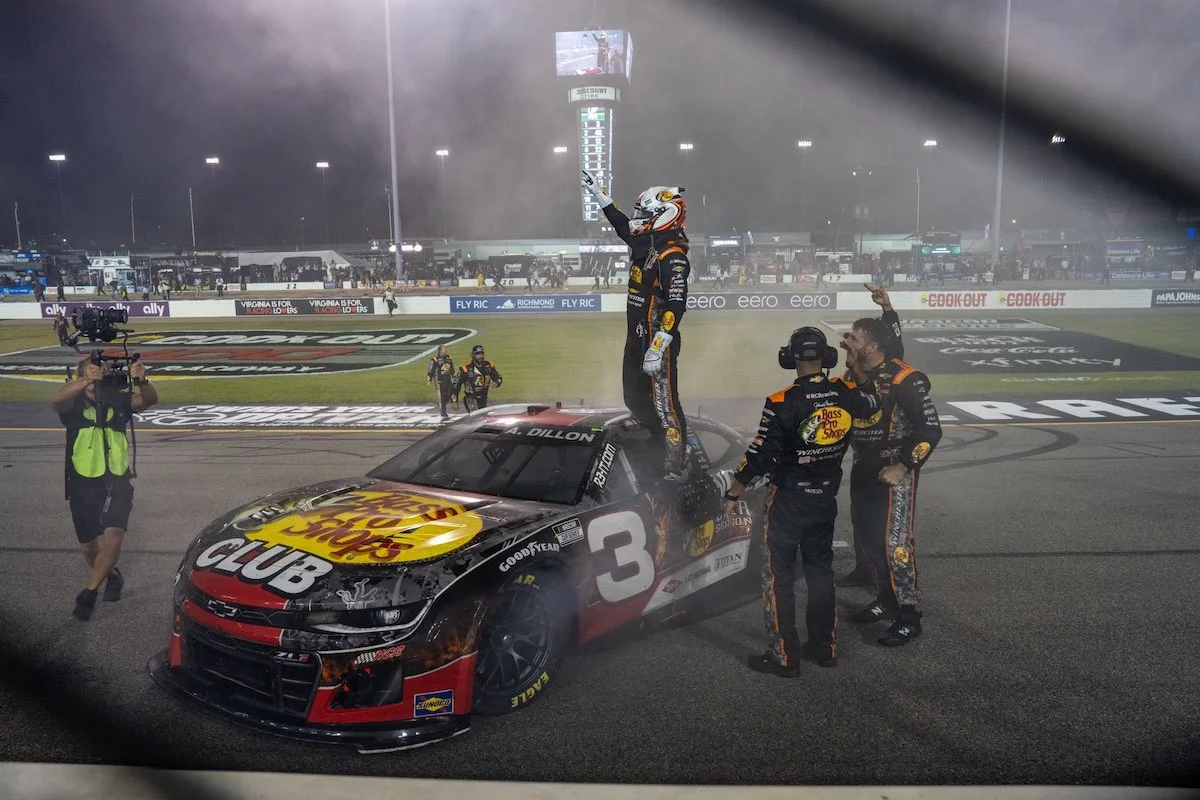

Austin Dillon secured a significant victory Saturday night, August 16, at Richmond Raceway, underscoring that his success is far from accidental. This win not only reiterated his capabilities but also cemented the No. 3 Richard Childress Racing team‘s status as serious contenders in the NASCAR Cup Series. Unlike some previous races where strategy like fuel mileage or aggressive driving drew criticism, this performance was a clear display of skill, teamwork, and speed aligning perfectly on the track.
Dillon’s consecutive triumphs at Richmond demonstrate that last year’s strong showing was no fluke. Observers and fans alike see this as evidence that the driver and his crew have been methodically building a competitive package to peak at critical moments, especially in the run-up to the playoffs. While speculation lingers on whether the team conserved their resources intentionally to strike at the right moment, the outcome speaks for itself: the No. 3 car is poised for success when everything clicks.
Securing a Playoff Spot with a Win at Richmond
The timing of this victory is particularly important, as Richmond is a key race preceding the NASCAR playoffs. By taking the checkered flag for the second straight year, Austin Dillon not only brought pride to his hometown of Welcome, North Carolina but also locked in a coveted postseason berth. This accomplishment stands out as perhaps the most commanding victory of his Cup Series career, proving his presence in the playoffs is well earned and not merely a stroke of luck.
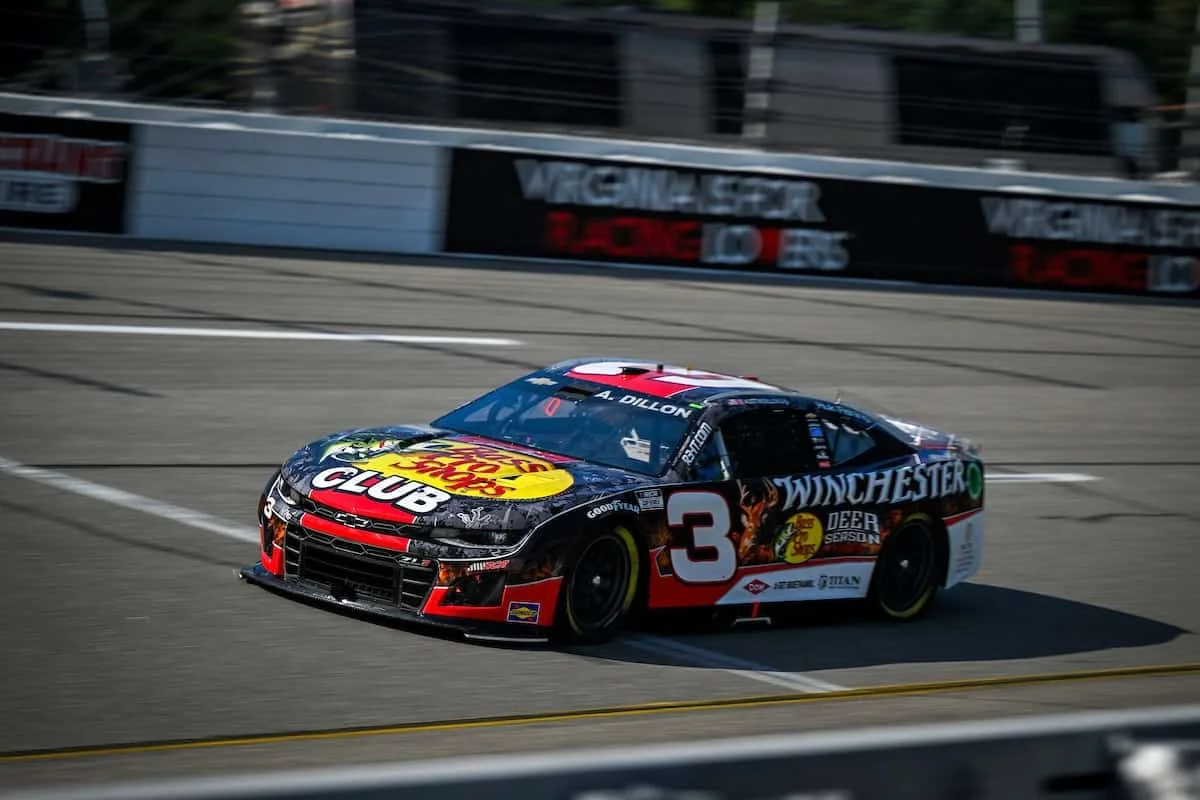
Winning at Richmond in this critical phase offers Dillon a psychological advantage heading into the postseason, reducing pressure and boosting confidence for the races to come. This achievement elevates Dillon’s status among drivers competing for a championship, confirming that the No. 3 team’s efforts have culminated in tangible results rather than fleeting flashes.
Richmond Raceway’s Vibrant Atmosphere Reaffirms Its Importance
A capacity crowd at Richmond Raceway created a charged atmosphere that highlighted the event’s significance. The excitement among fans and drivers proved that short-track racing still holds a vital place in NASCAR’s landscape. Despite ongoing challenges faced by traditional tracks, Richmond’s ability to deliver thrilling competition and maintain strong fan engagement reaffirms its role as a central venue in the sport.
The fight to preserve race weekends at iconic tracks has shown the passion and dedication of fans who refuse to see these venues disappear. This resilience echoes past experiences, such as Darlington Raceway’s battle to retain race dates in 2004. Back then, despite fears of decline, the loyal supporters of The Lady In Black rallied, contributing to the restoration of multiple race weekends at the South Carolina track.
NASCAR can take our tradition, but not our southern dedication. See ya in November.
—Race fan at Darlington Raceway
Similarly, Richmond’s recent races dispelled rumors that the track’s presence in NASCAR was waning. The enthusiasm and competitive racing demonstrated on and off the track have reinvigorated the venue’s status and showed that it remains a staple for both fans and participants.
The Psychological Relief and Stakes of Securing a Playoff Position
The NASCAR playoff system, while controversial, serves as the clearest benchmark of a successful season, with the ultimate goal for teams and drivers being inclusion in the postseason. Advancing to this stage relieves enormous pressure, allowing competitors to race with more freedom and focus. The exposure gained during the playoffs also benefits drivers and their sponsors by elevating their public profiles.
Bubba Wallace exemplifies this dynamic. His victory at the Brickyard 400 seemed to alleviate significant stress for him and the No. 23 team, allowing for a surge in performance. Heading into Richmond, Wallace had recorded three consecutive top-10 finishes and demonstrated competitive strength, winning a stage and finishing second in another before a pit-road mistake dashed his chances of a win. Despite that, the No. 23 car’s showing indicated readiness to contend at the highest level as the postseason approaches.
losing doesn’t build character. Winning builds character.
—Bubba Wallace
The Pressure on Ty Gibbs and the No. 54 Team to Qualify
Ty Gibbs faces a pivotal moment in his young career as he approaches the August 23 race at Daytona International Speedway with a narrow pathway to the playoffs. If he fails to win there, he will complete his full-time seasons with only one postseason appearance in three years. This puts Gibbs in an undesirable spot on a competitive multi-car Joe Gibbs Racing team—alongside teammates like Christopher Bell, Chase Briscoe, and Denny Hamlin, all of whom have already clinched playoff positions.
Gibbs has shown potential with strong top-three finishes earlier this season at Michigan and on the Chicago street course, but the “win and you’re in” playoff format demands more than consistent near-misses. The added pressure has led to organizational changes, such as bringing Chris Gabehart into the team’s strategic ranks to assist crew chief Tyler Allen—an approach comparable to adding new coaching help mid-season to adjust game plans.
The clear message is that Gibbs must secure a victory at Daytona to keep postseason hopes alive; otherwise, the No. 54 team will likely undergo a significant overhaul beginning immediately after the summer stretch of races.
RFK Racing’s Challenge to Enter the Playoffs and Their Potential Influence
For RFK Racing, getting any of its drivers into the playoffs remains an uphill battle that depends on favorable results and perhaps some good fortune. Chris Buescher, currently 60 points behind the last playoff contender Alex Bowman, faces a daunting task. Ryan Preece and Brad Keselowski trail even further, making the playoff cut nearly unattainable without a win on their part.
Buescher would need to win at Daytona to have a legitimate chance to advance, a tough pill to swallow one year after narrowly missing a postseason spot by a fraction of a second at Kansas Speedway. Even if none of the RFK drivers make the playoffs, they show no intention of conceding. With consistent top-10 and top-five finishes recently, they remain competitive and could act as spoilers in the postseason by challenging the playoff drivers aggressively.
RFK Racing’s resilience and performance this year suggest they could maintain momentum and build toward success in 2026, starting right after the conclusion of the current season.
Looking Ahead After Austin Dillon’s Richmond Triumph
Austin Dillon’s win at Richmond marks a turning point that solidifies his presence in the postseason and validates the progress of the No. 3 team under Richard Childress Racing. This achievement represents a critical step as the playoff races intensify, with Dillon poised to compete under less pressure and more confidence.
Meanwhile, drivers like Ty Gibbs face their own crossroads, needing to act decisively to secure postseason berths or risk major team adjustments. RFK Racing’s drivers, though currently outside playoff contention, have demonstrated the ability to influence the championship race as formidable challengers.
Richmond Raceway’s ability to deliver exciting racing and maintain strong fan support underscores the vitality of traditional NASCAR venues, especially as the sport navigates evolving formats and fierce competition. This blend of skill, strategy, and spectator passion sets the stage for a dramatic playoff season and hints at intense battles ahead on the track.