
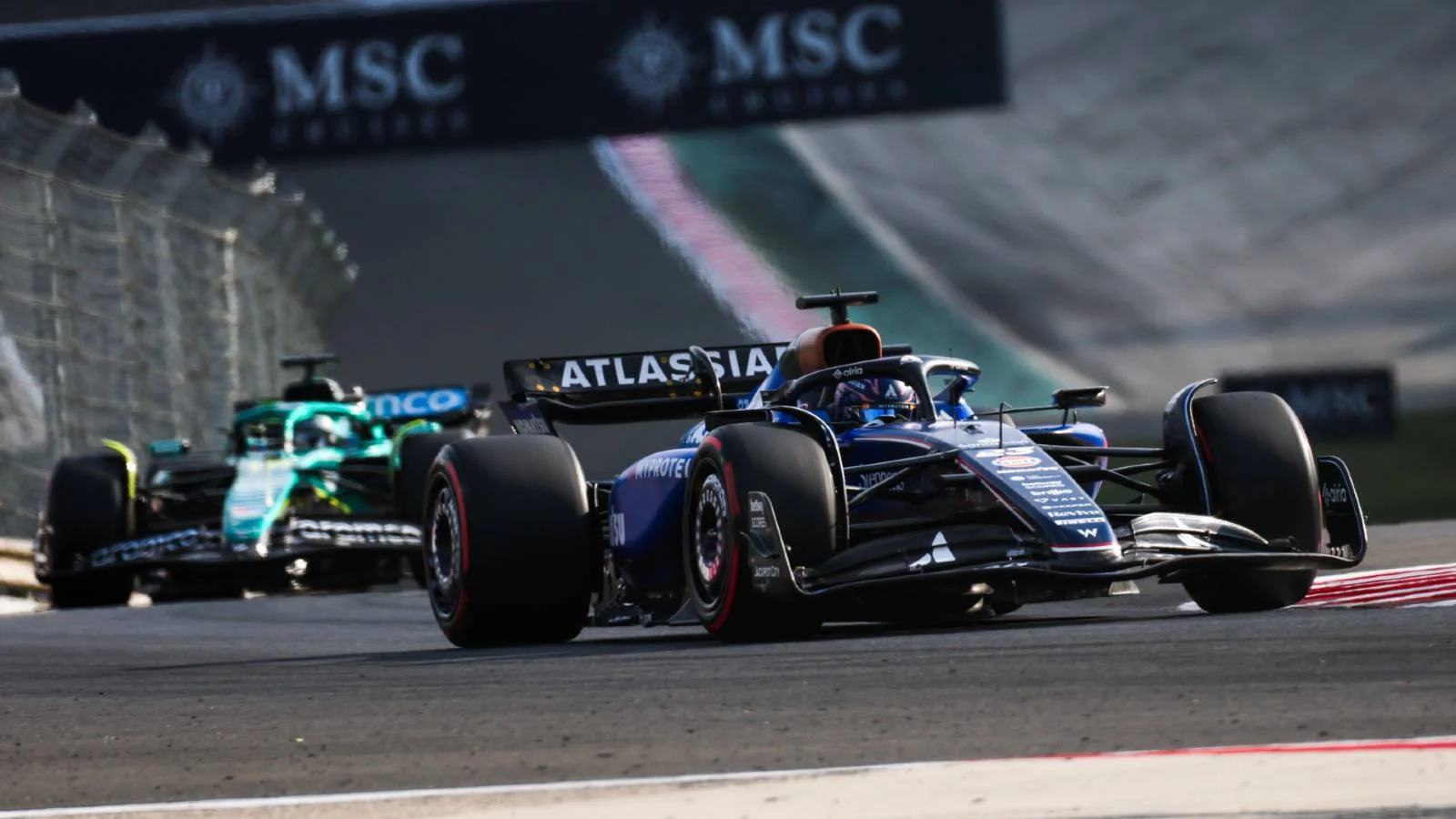

Formula 1 is set to undergo dramatic regulatory changes for the 2026 season, primarily driven by increased electrification of hybrid power units. This shift is expected to transform the technical landscape, requiring drivers to adjust to new car behaviors and energy management demands. Williams driver Alex Albon believes that those who excel in the “F1 2026 smartest driver adaptation” will gain a decisive edge over their rivals.
These updated rules will introduce active aerodynamic systems while stepping back from the ground-effect aerodynamic principles that have shaped cars since 2022. Coupled with a power unit formula that mandates a balanced split between the internal combustion engine and its hybrid components, these changes will create unfamiliar handling characteristics for drivers when the season begins in March 2026.
Alex Albon’s Insights on the Mental Demands Facing Drivers Next Year
Albon, who has spent extensive time testing these new technologies in simulators, describes the upcoming season as one where drivers will face an unprecedented mental workload. The complexity of managing power unit deployment and understanding the car’s new energy systems is at the core of the challenge.
“It’s difficult to drive. The load on the driver, mentally, is high as well,”
Albon explained during a media session in Belgium.
He noted that navigating these changes will require adapting driving styles and mastering the fine details of energy use, which cannot be solely automated by the car’s systems. Albon emphasized:
“It was more just getting my head around the PU and understanding how to make the most of that.”
The driver stressed that success in 2026 will favor those who can approach the car with flexibility and a strategic mindset. They must not only perform physically but also develop a deep technical comprehension of how the power unit operates during a race.
“I’m not moaning. I’m just saying it’s different. Like it’s really different to drive,”
he said.
“The drivers that are really going to go well on this are the ones that can be really adaptable. You’re gonna have to have a very open-minded approach to how to drive these cars, and I believe that the drivers who have the capacity to drive and understand how to drive them.”
Albon underlined that while the current cars are driven at the limit, next year’s cars will require a more holistic technique that incorporates power unit clipping and energy deployment more fully. Preparation with Mercedes High-Performance Powertrains (HPP) and extensive simulator work are key focus areas for him and his team.
“I don’t think it will always just purely be around how good the driver is around the corner, let’s say, like a driver who’s quite smart and can understand the system and abuse the system, understand how it works, and become efficient on it, they’re going to find performance in that as well. Much more than now.”
How the Shift in Power Unit Technology Parallels Formula E’s Demands
As F1 moves toward a greater reliance on electrified power units, it inevitably edges closer to the style of racing seen in the fully electric Formula E series. Formula E is known for its intense focus on energy management, requiring drivers to employ techniques like lift and coast to maximize efficiency and speed during races.
However, Albon does not foresee Formula 1 adopting those extreme methods.
“In the end, I just want good racing,”
he said.
“We all just want good racing. I’m not sure the speeds of the cars or the way that they’re driven is going to change too much.”
He acknowledged that while some strategic elements of energy use might become more visible in F1, the sport will not transform into a hybrid version of Formula E, where energy conservation techniques dominate racecraft.
“I don’t think it’s become kind of Formula E style where, you know, you’re getting these massive lift and coast sessions and all these kinds of things. But I don’t think it will change too much.”
Albon suggested that drivers with strong mental acuity and the capacity to quickly understand and react to these new systems will have a clear advantage, echoing his earlier points about adaptability and intelligence behind the wheel.
“We will get used to it. That’s the job of the driver, but it is going to take some getting used to.”
Off-Season Preparations and the Evolving Role of Simulators
The transformation in car design and power unit management means that the off-season for drivers will be far from restful. Unlike previous years where physical training dominated during breaks, the upcoming period will require intense simulator work to adjust to the radically altered driving experience.
“Our winter breaks that we spend, I don’t think it will be spent as casually as it was in the previous few years, where we’re training, and they’re like nothing,”
Albon noted with a hint of amusement.
He explained that teams like Williams are actively developing working groups focused on maximizing driver preparation through in-depth simulator sessions, technical collaboration, and experimenting with various driving techniques to optimize race-day performance.
“At Williams, we have an active working group that we’re just working on how we can prepare the drivers as best as we can, giving us as much information and as much preparation as possible for next year.”
Implications for the 2026 Season and Beyond
The 2026 Formula 1 regulations promise to introduce a new era where technological complexity and mental agility play a larger role than ever before. Drivers like Alex Albon foresee a season in which mastering energy systems, aerodynamic adjustments, and power unit nuances will separate the frontrunners from the rest of the field.
As the sport steers toward this electrified future, teams and drivers face the dual pressure of refining their technical understanding while maintaining peak physical and tactical performance. The outcome of this adaptation will profoundly shape competitive dynamics, driver development, and race strategies for years to come.