


McLaren Racing credits the Formula 1 budget cap introduced during the COVID-19 pandemic for its remarkable performance turnaround. As the pandemic disrupted global sports, the new cost restrictions helped level the playing field, allowing McLaren—a team facing severe financial strain—to become competitive once again in the costly world of F1 racing.
Before the pandemic, McLaren struggled to keep pace with dominant teams like Mercedes, whose massive development budgets far outstripped those of smaller teams. Zak Brown, McLaren’s CEO, has highlighted that without a spending limit, McLaren risked bankruptcy amidst escalating costs.
The pandemic’s impact on Formula 1’s financial regulations and McLaren’s survival
At the start of the 2020s, Formula 1 faced a critical decision as escalating expenditures under the hybrid regulations pushed many teams toward financial instability. The implementation of a budget cap became essential to curtail runaway spending.
For McLaren, which was teetering on the brink of bankruptcy when the COVID-19 pandemic hit, these changes were a lifeline. Brown explained that the pandemic accelerated discussions about cost controls, allowing the sport to introduce a cap that ultimately saved teams like McLaren from collapse.
Obviously COVID was a terrible thing, but it put the sport under an immense amount of pressure.
—Zak Brown, CEO of McLaren Racing
Brown described this as a surprising opportunity, allowing him to advocate for a lower budget cap than initially planned. The original limit was set at $175 million, but pandemic pressures pushed this down to $145 million in 2021, then reduced further to $140 million and $135 million in the following years.
So we got a little bit lucky with the timing because it allowed me to push even harder to get the budget cap down.
—Zak Brown, CEO of McLaren Racing
Effects of the budget cap on competition and championship outcomes
The introduction of the stricter budget cap has ushered in a new era of competitiveness within F1. Brown highlighted how the cost limits contributed to an unusually high diversity of race winners and shake-ups in the championship standings.
Last year we had seven multiple winners,
he said.
First time I ever recall that amount of winners in Formula 1.
Four different teams that won races. The top three teams swapped the constructors championship late in the year. And that’s because now we’re all playing with the same size bat.
—Zak Brown, CEO of McLaren Racing
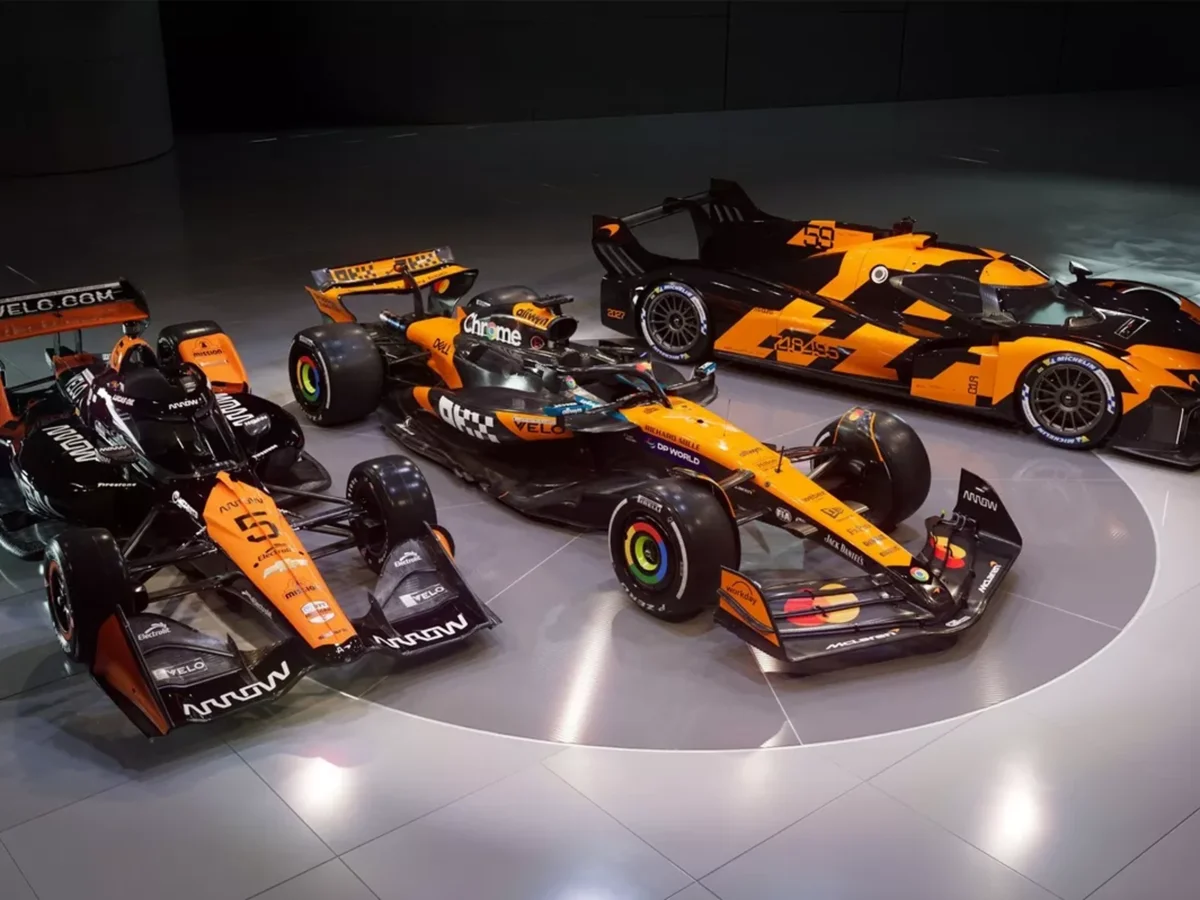
This increased parity has allowed teams with smaller budgets, like McLaren, to challenge traditional powerhouses such as Mercedes and Red Bull Racing more effectively. In 2024, McLaren’s mid-season car upgrade was pivotal, transforming the team into a genuine championship contender and propelling them to securing the constructors’ title in the season’s final race despite Max Verstappen’s dominance in the drivers’ standings.
Broader significance of F1’s budget cap on the sport’s future
The COVID-driven budget cap marks a significant shift in Formula 1’s approach to financial sustainability and competitive balance. For McLaren, it has meant staying afloat during a difficult period and returning as a title threat. For the sport, it signals a move toward a more equitable environment where resources are more evenly spread among teams.
As the budget cap continues to tighten, teams must focus on innovation and strategic upgrades rather than relying solely on financial muscle, which could lead to more unpredictable and exciting championship battles in the years ahead.