
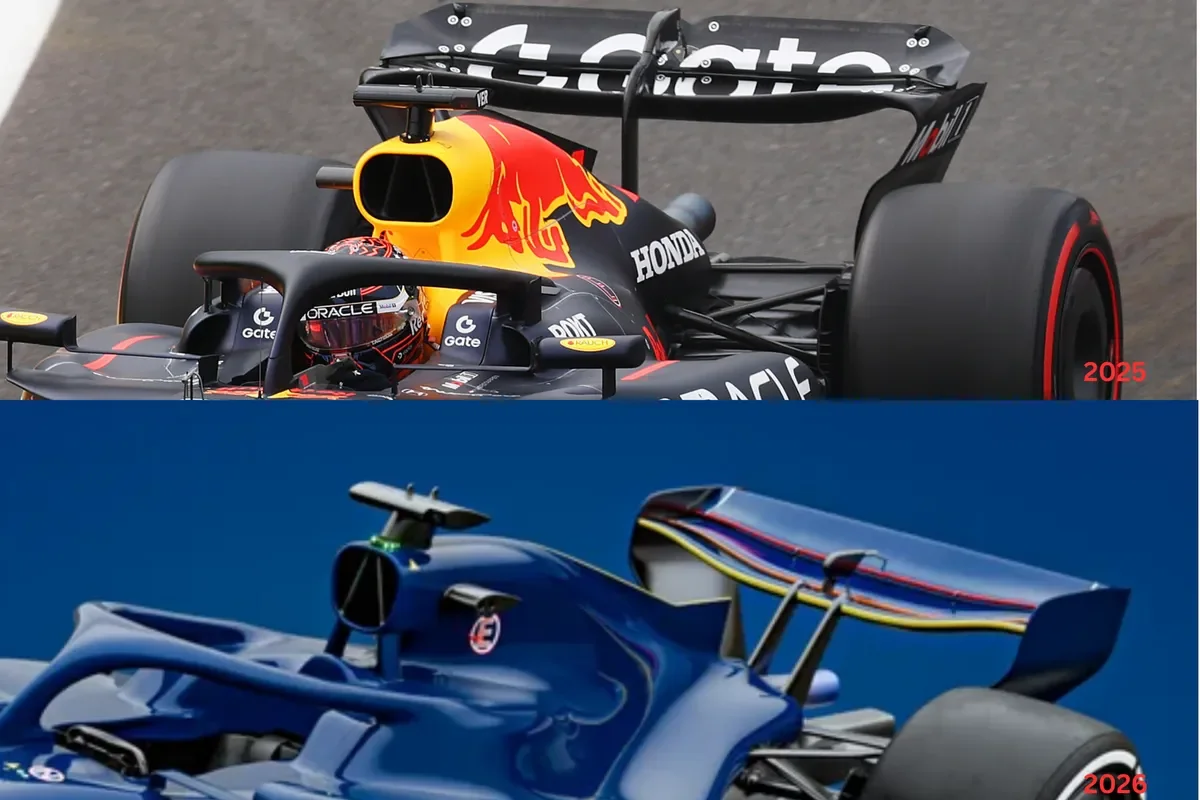

Formula 1 is preparing to revolutionize its racing dynamics in 2026 with the launch of the F1 Manual Override Mode, signaling the end of the Drag Reduction System (DRS). This major change aims to reshape how overtakes occur, promising fans and drivers a more thrilling experience on circuits worldwide.
New Aerodynamics and Energy Boosts to Amplify Racing Intensity
The FIA has announced a fresh aerodynamic concept designed to reduce the turbulent airflow left behind lead cars, making it easier for trailing vehicles to close gaps. This innovation intends to increase overtaking chances by cutting down aerodynamic drag, enabling cars to race more closely and aggressively.
In addition to this, the Manual Override Mode will allow drivers to activate an extra surge of electrical power. When a car enters a defined detection zone close to another competitor, the driver can engage this mode for the following lap, unleashing up to 350 kW of additional output. This feature is engineered to provide a strategic edge during critical moments of a race.
Strategic Energy Management Will Define Overtaking Battles
An intriguing element of this system involves how the lead car’s energy depletes as it accelerates. Drivers at the front will see their energy reserves diminish starting at 290 km/h and will be fully exhausted by 355 km/h. Meanwhile, the chasing car retains its energy boost until roughly 337 km/h, intensifying the tactical battle during high-speed chases.
Although the precise rules regarding how often drivers can use the Manual Override Mode each lap are still being finalized, the goal remains consistent with DRS’s legacy: to inject more excitement and unpredictability into overtaking situations, which will heighten the spectacle for audiences watching live or on broadcasts.
The Future of Formula 1 Racing Looks More Exciting Than Ever
This switch from DRS to Manual Override Mode represents more than a technical update; it signals Formula 1’s commitment to innovation and growing fan engagement through dynamic racing. As 2026 approaches, anticipation rises among drivers like Lewis Hamilton and key figures including Helmut Marko, as the sport prepares to enter a new era of competition.
The new generation of aerodynamic and electrical enhancements is expected to create more intense rivalries and dramatic moments on tracks such as Zandvoort, ultimately serving the fans who crave the heart-pounding excitement that defines Formula 1.