
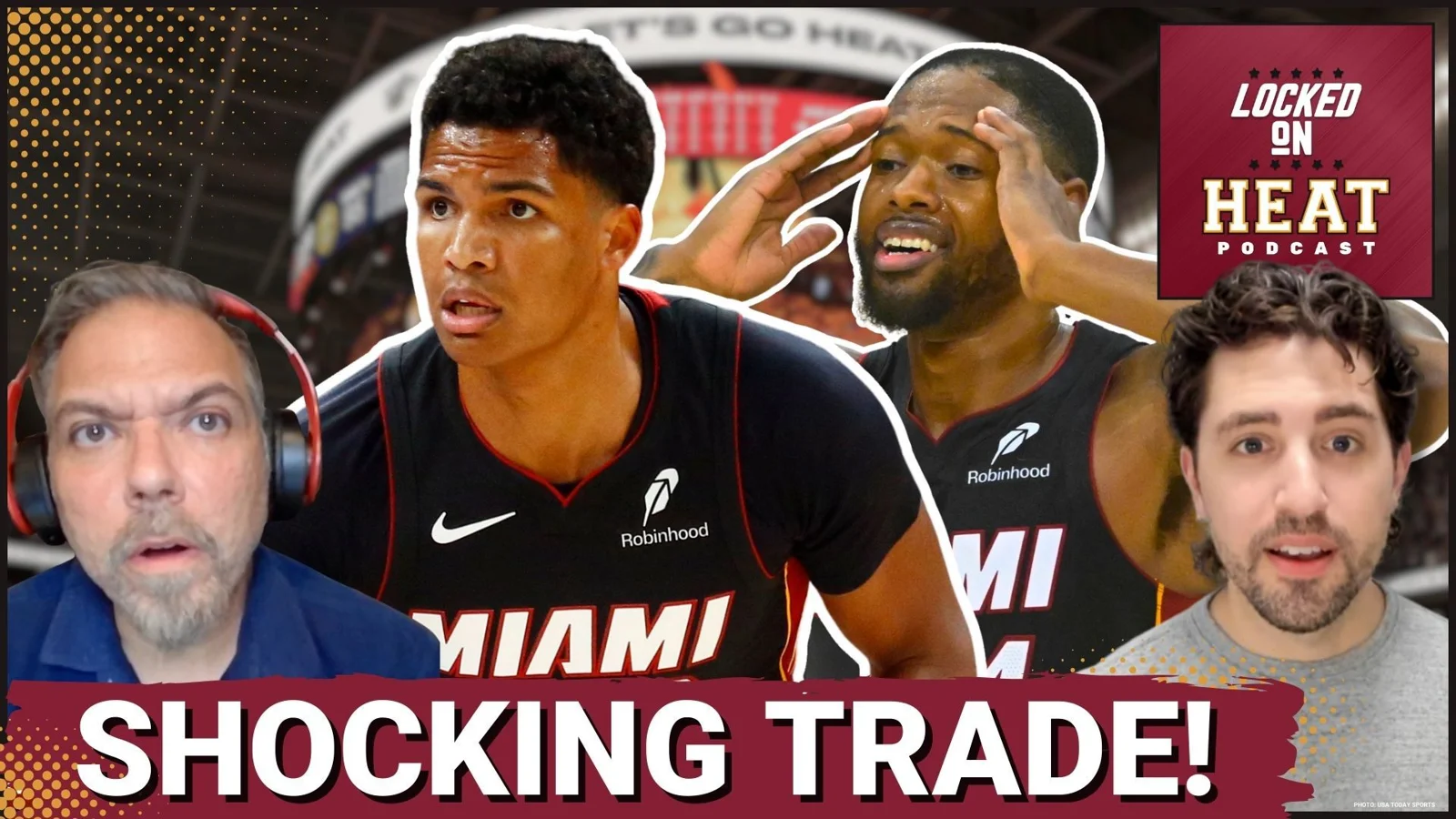

The Haywood Highsmith Miami Heat trade to the Brooklyn Nets was a drawn-out process that unfolded over several months. The Heat decided to part ways with Highsmith after the 2024-25 season, seeking to open opportunities for younger players as Highsmith’s defensive impact, once his strength, diminished during the year.
Miami Heat’s Strategic Shift and Initial Trade Attempts
Following Highsmith’s decline in defensive performance, Miami’s management collectively agreed that he would no longer be a consistent part of the team‘s rotation. The Heat initially looked to involve him in a package deal for Norman Powell. However, the Los Angeles Clippers, Powell’s current team, preferred to use a different trade exception that did not include Highsmith. This led the Heat to reluctantly trade veteran leader <a href=”https://www.buzzineintl.com/tag/kevin-love/”>Kevin Love alongside Kyle Anderson instead. Love was sent to Utah but is expected to move again after a buyout, which upset the veteran player who wished to remain with Miami.
“Never thought I’d be a math problem. Welcome to the NBA.” —Kevin Love, Veteran Player
Challenges in Finding a Suitable Deal for Highsmith
Even after acquiring Powell, the Heat continued seeking ways to trade Highsmith. According to sources from Five on the Floor, no interested teams were offering draft picks in exchange for Highsmith. The Brooklyn Nets emerged as the only team capable of absorbing his contract due to their available cap space and willingness to take on a second-round pick as part of the deal.
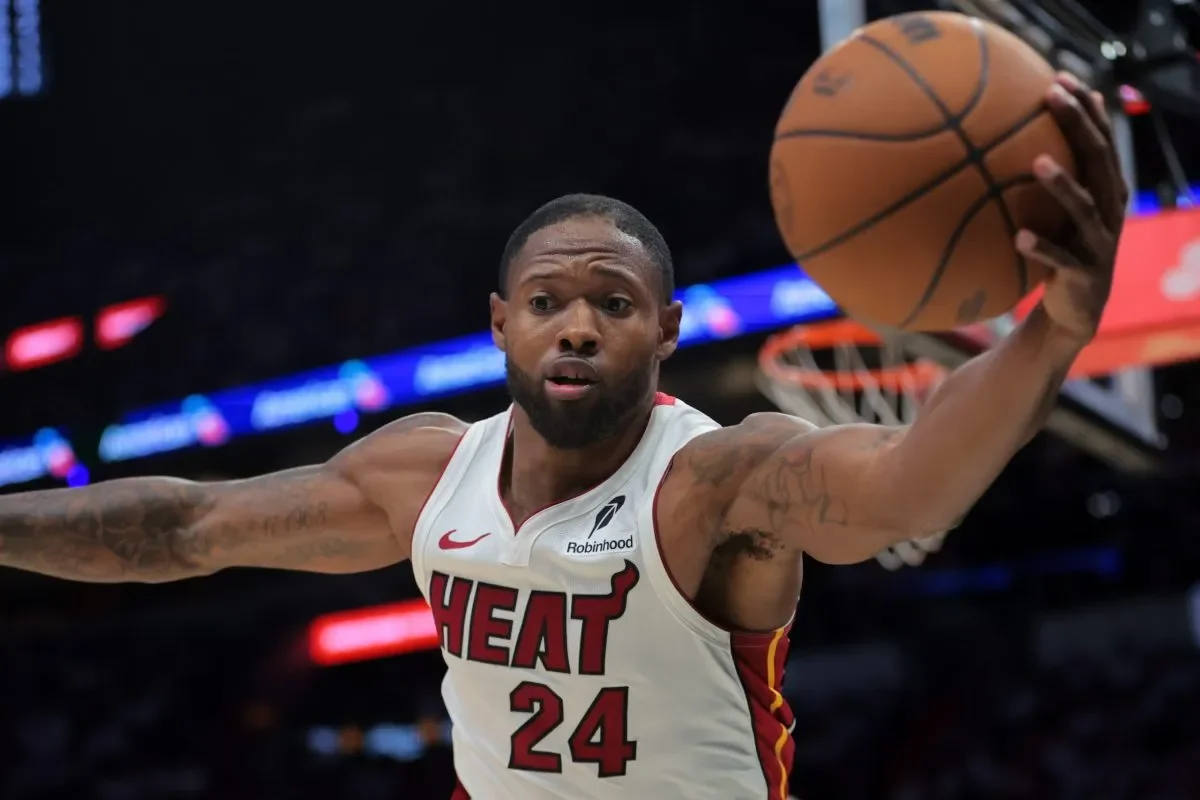
The Heat initially hesitated to include the second-round pick in the trade, aiming to create cap space under the luxury tax threshold and clear a roster spot for Dru Smith without adding assets. However, this plan changed due to two key developments.
Injury and Nets’ Pressure Prompt Final Agreement
First, Highsmith injured his knee during an offseason workout, casting doubt on his availability for the upcoming training camp and deterring interest from other teams. Second, the Nets warned the Heat that if they did not accept the trade proposal immediately, the Nets had alternative plans that might complicate future negotiations.
Faced with these realities, the Heat agreed to the terms, including the second-round pick, to avoid the risk of not moving Highsmith before the February trade deadline. As a result, Highsmith officially joined the Nets, while Dru Smith returned to the Heat on a three-year contract, creating more room for the Heat’s younger talent to develop.
Implications for the Miami Heat and the NBA Season Ahead
This trade marks a strategic pivot for the Miami Heat, focusing on youth development and adjusting their roster under salary cap constraints. The departure of a seasoned contributor like Highsmith, coupled with the moves involving Kevin Love and Kyle Anderson, signifies a transition phase for the franchise. Meanwhile, the Brooklyn Nets take a calculated gamble with Highsmith, absorbing his contract despite his injury, reflecting their longer-term flexibility since they are not primarily focused on immediate success this season.
The moves signal a complex balancing act regarding salaries, roster spots, and player development in the NBA, underscoring the challenges teams face to remain competitive under financial and roster constraints.