
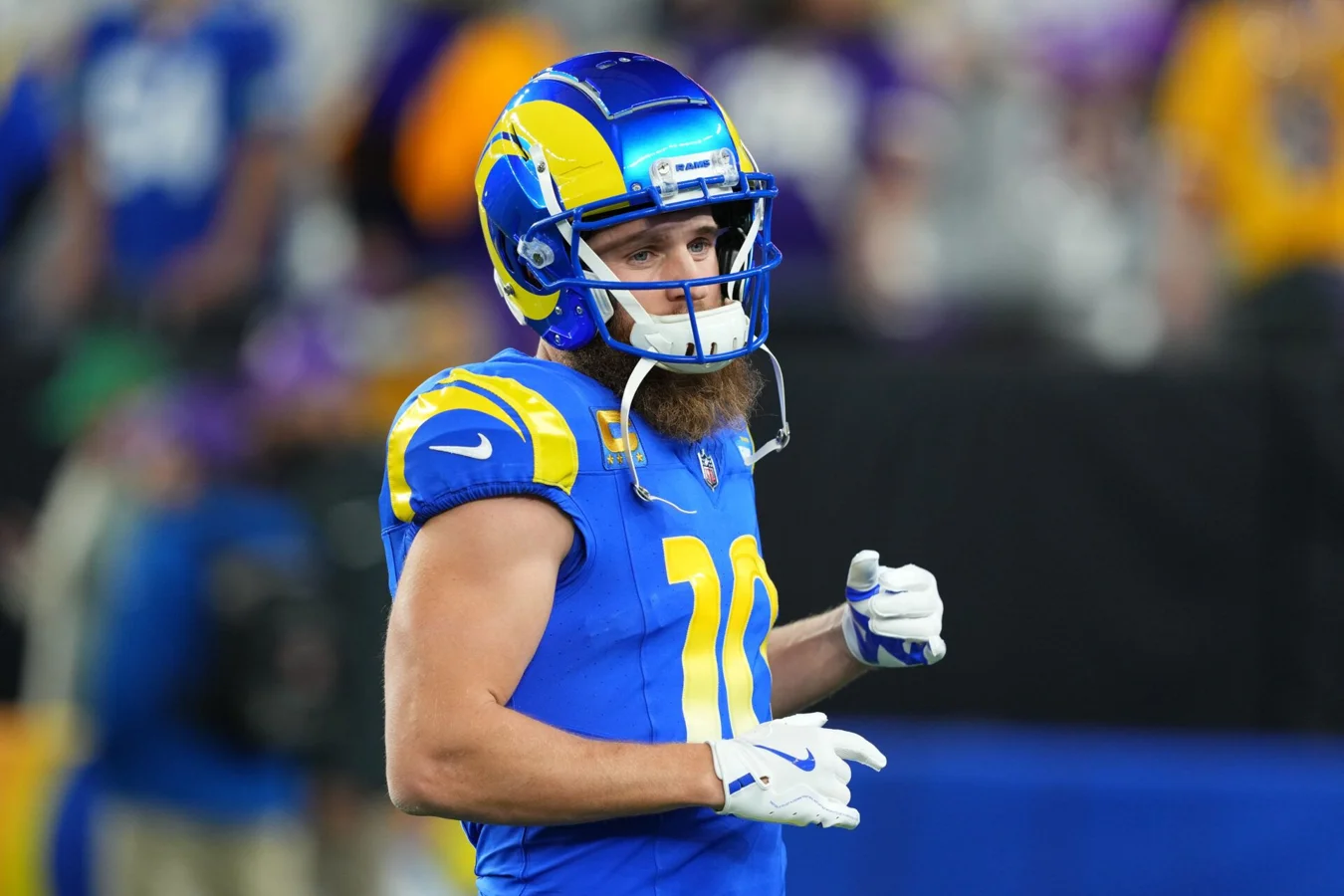

As fantasy football drafts approach, managers must recognize the pitfalls of chasing big names tied to past performances rather than current realities. This article highlights why selecting Terry McLaurin, Deebo Samuel Sr., and Cooper Kupp could undermine your roster’s success this season, offering a clear warning against overvaluing these receivers based on misleading data and outdated expectations.
Why Terry McLaurin May Be Overrated Despite Last Year’s Touchdowns
Terry McLaurin, currently ranked as the WR16 by average draft position, presents a misleading fantasy profile that fails to align with his underlying statistics. Although he reached a career-high 13 touchdowns last year, his overall yardage, target share, and offensive role remained largely unchanged from previous seasons.
Those touchdown numbers are an outlier; McLaurin’s previous career best stood at seven scores, indicating that his spike was likely due to luck rather than sustained skill improvement. At age 30, he shows no signs of growth in efficiency or explosive plays. Historically, McLaurin has never finished better than WR20 in fantasy points per game, and his usage has never approached the volume needed to carry a high-performing fantasy season.
Adding to his challenges, Washington’s receiving corps now includes Deebo Samuel Sr., creating more competition for targets and diminishing McLaurin’s opportunities. Fantasy managers who rely on last year’s touchdown spike risk significant regression if they invest heavily in “Scary Terry” this draft season.
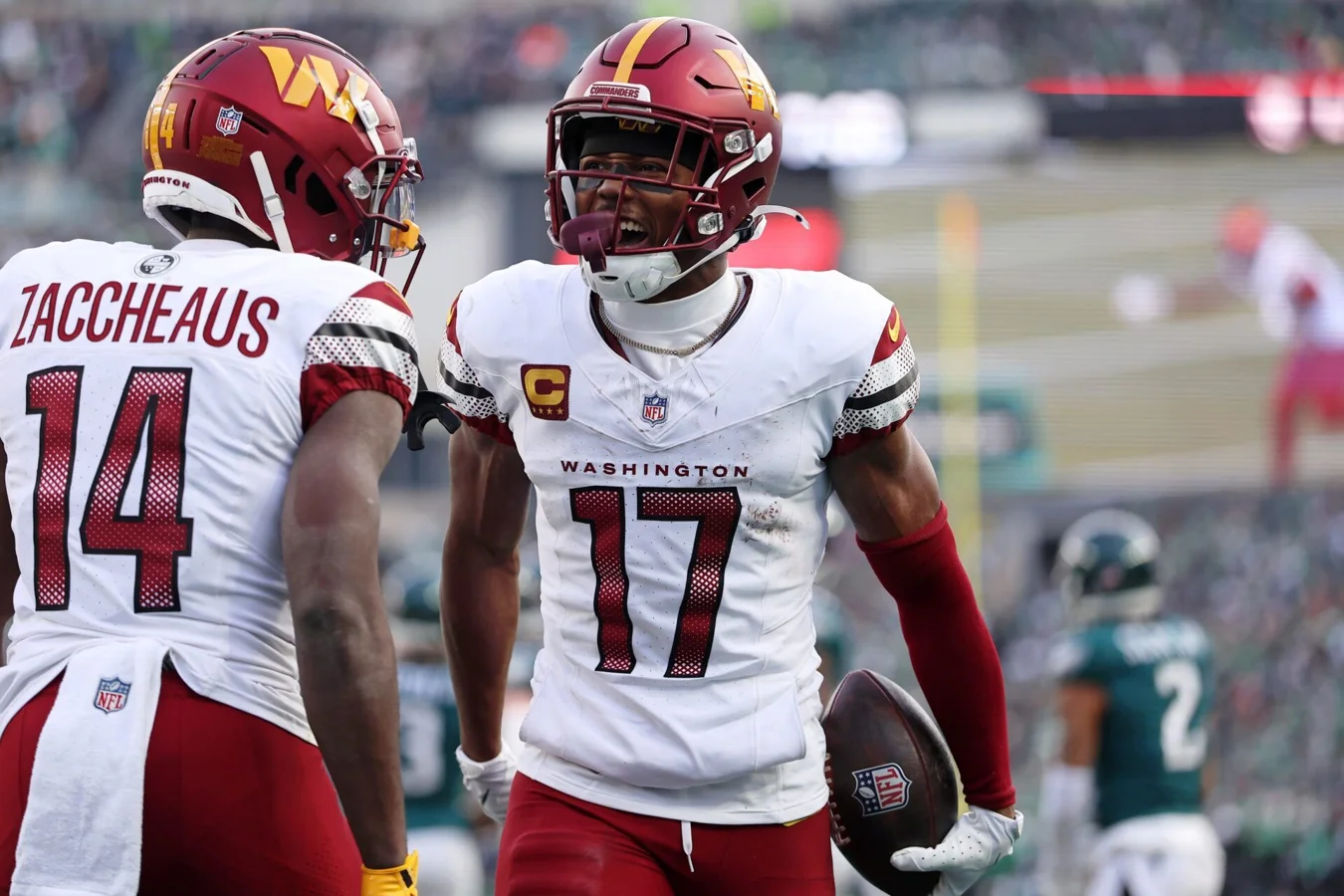
Deebo Samuel Sr.’s Decline Signals Limited Fantasy Value Ahead
Deebo Samuel Sr.’s recent performances reveal a clear downward trend not just in volume but in effectiveness. His 2024 average of 44.7 yards per game showed more inconsistent appearances and more games marked by minimal impact rather than consistent production. Samuel’s standout year was 2021, but since then, he has been plagued by soft-tissue injuries and declining productivity, particularly in key metrics like yards after catch, tackle-breaking ability, and rushing efficiency, with a career-low 3.2 yards per carry last season.
Washington acquired Samuel not as the focal receiver but as part of a crowded offensive mix that includes McLaurin and two running backs sharing touches, alongside quarterback Jayden Daniels, whose mobility further spreads the ball around. His injury history and diminishing role reinforce a likely continued decline — a pattern common among aging wide receivers, as seen recently with players such as Brandin Cooks and Allen Robinson.
Fantasy managers hoping Samuel will regain former glory should temper expectations, as his diminishing return on the field and increasing competition suggest he will be a risky and often wasted draft pick this year.
Cooper Kupp’s Struggles Mark a Clear End to His Fantasy Relevance
Once hailed as a fantasy legend, Cooper Kupp has spent the last two seasons largely sidelined, playing only 21 games between 2023 and 2024. His yardage plummeted to just 710 yards last season with a mere three touchdowns, a stark contrast to his previous peak performances.
this is not good
Cooper Kupp’s rank in ability to get “open”
2021: #15 of 160
2022: #71 of 150
2023: #102 of 153
2024: #141 of 159
per ESPN’s player tracking data pic.twitter.com/SSmQ4NT9TY
— Warren Sharp (@SharpFootball) March 13, 2025
Kupp’s steady slide in his ability to separate from defenders underscores the reality of his waning skills. The Los Angeles Rams’ decision to move on from him, combined with no attempt by Head Coach Sean McVay to restructure his contract, signals that even those who once valued Kupp highly have lost confidence in his longevity.
Seattle’s offense doesn’t mesh with Kupp’s current style, especially with Jaxon Smith-Njigba firmly established as the team’s primary receiver. Kupp now primarily attracts soft coverage and relies on short passing opportunities to keep his stats afloat. While his draft price is lower than before, betting on Kupp to rebound is a gamble better avoided in favor of younger receivers whose prime years lie ahead.
Implications for Fantasy Draft Strategy This Season
This trio—Terry McLaurin, Deebo Samuel Sr., and Cooper Kupp—serves as cautionary examples of players who, despite name recognition and past success, are unlikely to deliver the value expected by fantasy managers this year. Each faces different challenges: McLaurin with touchdown regression and increased competition, Samuel with decline and injury concerns, and Kupp with diminishing physical ability and limited offensive fit.
Fantasy managers intent on building winning rosters should focus on data-driven insights rather than sentimental or surface-level evaluations. Avoiding these receivers could provide a competitive edge by helping drafters allocate resources toward players with stronger prospects for consistent, high-level production. The proper identification of these busts before the season starts is critical in navigating the risks embedded in this year’s average draft positions.