
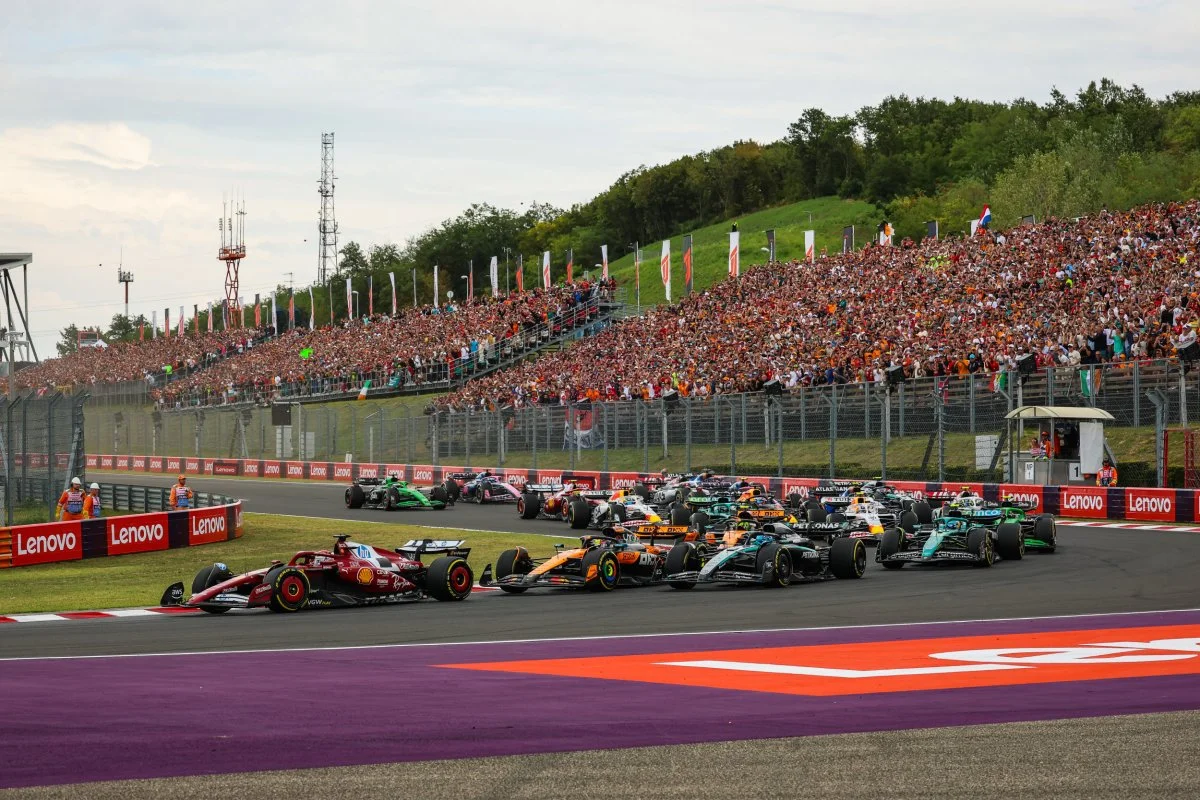

Lando Norris has voiced his apprehension about the new active aerodynamics system set to replace the drag reduction system (DRS) in Formula 1 starting in 2026. He warned that this shift might undermine the authenticity of racing, potentially making the sport feel “fake” and “scripted.” The significant technical overhaul will see smaller, lighter cars with hybrid engines take to the grid next season, ushering in a dramatic change in how vehicles handle and overtake on track.
Key Changes in Vehicle Design and Aerodynamic Features for 2026
The upcoming cars will feature notable design advancements, including front and rear wings equipped with movable parts that modify aerodynamic performance on demand. This system will allow drivers to toggle between a high-downforce setup known as ‘Z-mode’ for improved cornering, and a low-drag ‘X-mode’ designed to boost straight-line speed. By removing the traditional DRS overtaking aid, Formula 1 intends to integrate these active aerodynamic adjustments directly into the vehicles’ capabilities.
Skepticism Among Drivers About the New F1 Regulations
As the 2026 season approaches, several drivers remain wary of what these technical transformations mean for racing dynamics. There is unease, particularly regarding the ‘lift and coast’ technique expected to become prevalent due to the hybrid engine’s power distribution between combustion and electric components. Norris expressed that while some aspects of the changes may enhance competition, he fears the introduction of active aerodynamics could detract from racing’s pure and spontaneous nature.
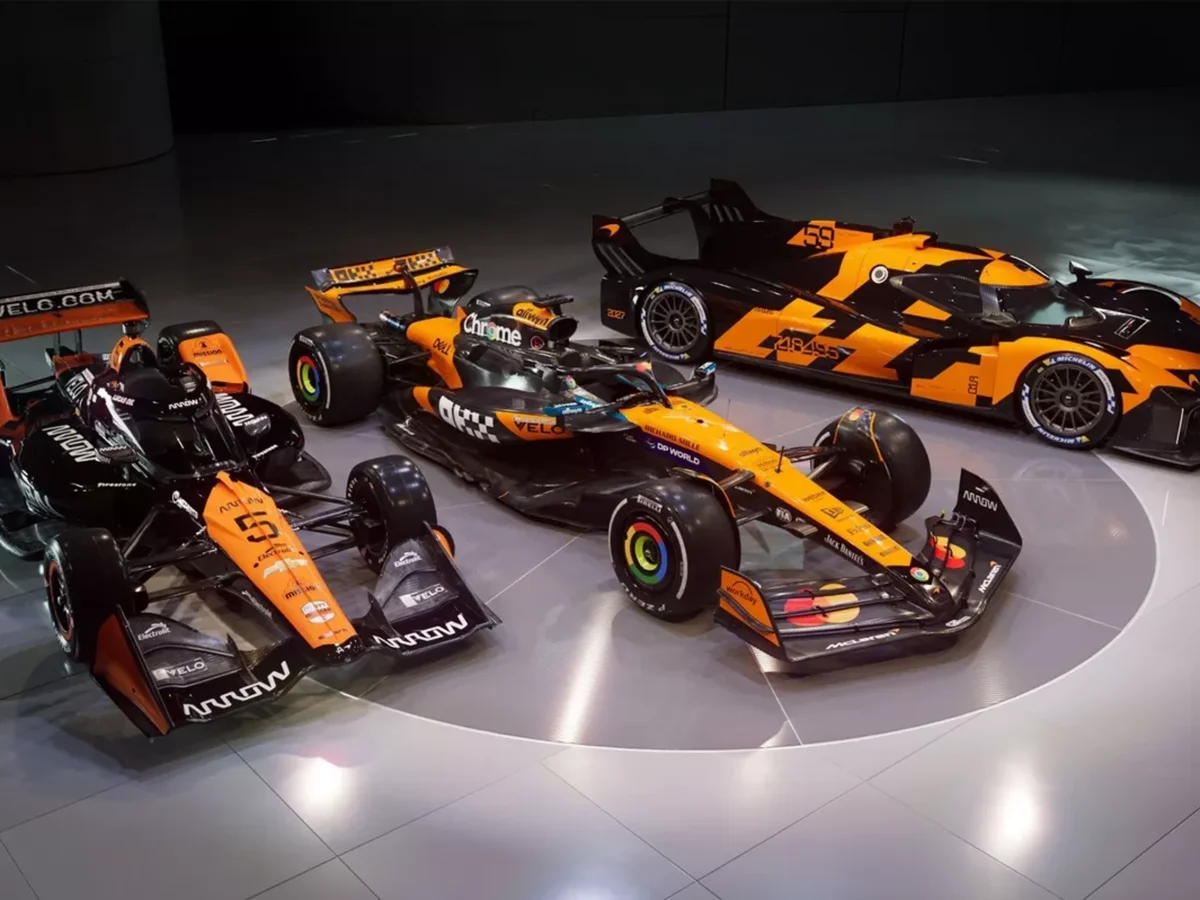
Lando Norris Emphasizes the Importance of Authentic Motorsport
Discussing the new regulations with media outlets including PlanetF1.com, Norris acknowledged that the changes are
“good and different in different ways”
but cautioned against over-engineering the spectacle. He stated,
“I just don’t want to go too artificial with things. I don’t want things to be too fake, too scripted, I don’t think that’s correct. That’s not motorsport and that’s not what I like.”
He highlighted that racing in recent years has represented a high standard of speed and competition, which should not be compromised.
Impact on Racing Style and Visual Appeal
Norris also pointed out that the new cars may lose some visual appeal due to their slower speeds and altered performance characteristics. The hybrid power units and aerodynamic settings will likely cause vehicles to decelerate more at the end of straights, resulting in less spectacular lap times.
“They’re not going to look as spectacular in terms of performing laps. They’re not going to look as quick because at the end of straights you’re losing speed, you’re decelerating,”
he noted, signaling a shift away from the dynamic pace fans have grown accustomed to.
Looking Ahead: The Future of Formula 1 Racing
The 2026 regulation changes represent the biggest technical transformation in Formula 1 history, blending advanced hybrid technologies with new aerodynamics in hopes of enhancing racing quality. While the goal is to improve overtaking and bring a fresh style to the sport, the debate continues over whether these innovations will preserve or compromise the essence of authentic competition. How teams and drivers adapt to these variables will be critical in determining if the sport can maintain its prestigious standing and fan appeal as it moves forward.