
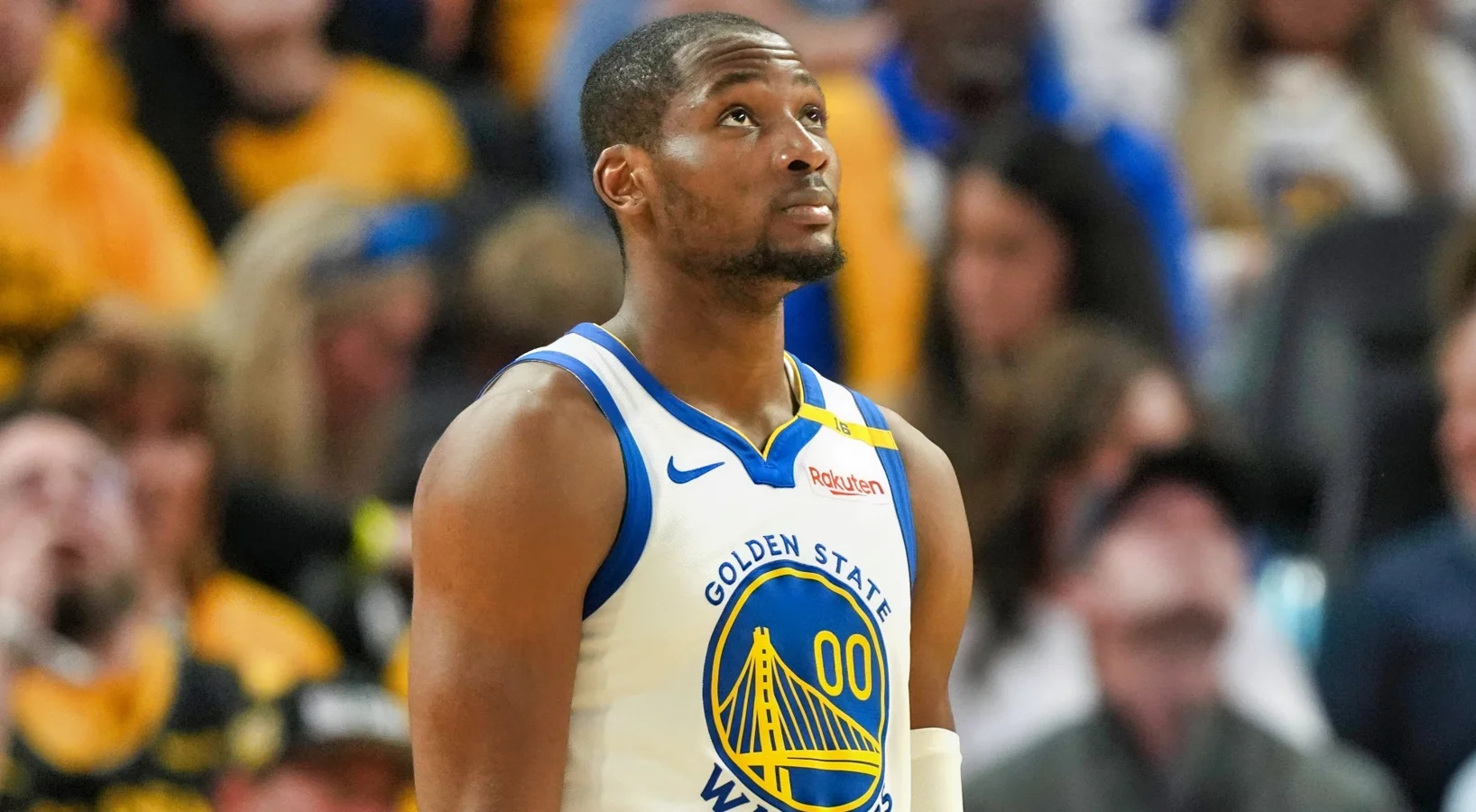

The contract negotiation between Jonathan Kuminga and the Golden State Warriors has intensified, placing the franchise and the restricted free agent at a crucial impasse. Both sides remain firm in their demands as the Warriors insist on maintaining control over Kuminga’s future, while analysts suggest the team might eventually concede in this $45 million standoff.
The Central Contract Dispute: Team Option Versus Player Option
The primary point of contention revolves around the structure of the second year in the proposed two-year, $45 million deal. Golden State wants the second year to be a team option, giving them the power to decide Kuminga’s continued tenure. Conversely, Kuminga and his representatives are pushing for a player option, which would allow him to enter free agency after 2026. This difference is critical, as granting a player option would significantly increase Kuminga’s control over his career path while reducing the Warriors’ ability to negotiate trade moves involving him.
Potential Impact of a Contract Impasse on the Warriors
The consequences of this deadlock could be severe for Golden State. Should Kuminga reject the current contract proposals and opt instead to sign his qualifying offer worth $7.9 million, the Warriors risk losing a former seventh overall pick without any compensation. More so, an unhappy Kuminga could block trade attempts, further limiting the team’s roster flexibility. Dan Favale, one of the analysts tracking the situation, warned about the dangers of such an outcome.
Letting Kuminga sign his qualifying offer would be disastrous,
Favale remarked, highlighting the fragile nature of the Warriors’ position.

Increasing Pressure on Golden State to Alter its Stance
As time passes, Golden State faces mounting pressure to revise their offer, possibly including a player option to avoid an outright fallout. Favale projected that without a significant salary increase to approximately $30 million annually, the Warriors might have to relent on their demand for a team option.
Short of juicing his annual salary into the $30 million range, a two-year contract with a team option will end up being out of the question,
he added, pointing to an inevitable compromise. <a href=”https://www.buzzineintl.com/category/basketball/nba/”>NBA insider Jake Fischer corroborated this view, sharing that Kuminga’s side would be willing to accept a one-plus-one contract if it included a player option in the second year.
I think Jonathan Kuminga’s side would take this one-plus-one situation if he were to get a player option in year two,
Fischer stated.
The Ripple Effect on the Trade Market Surrounding Kuminga
The deadlock over Kuminga’s contract is also stalling the Warriors’ trade negotiations. Golden State reportedly demands an unprotected first-round pick plus a capable rotation player in any trade deal, a condition that has caused potential trade partners to hesitate. The Sacramento Kings and Phoenix Suns have both made offers involving players like Malik Monk and Royce O’Neale, but Golden State has rejected these proposals. Even the Milwaukee Bucks showed interest; however, negotiations fell through when the Warriors insisted on acquiring Bobby Portis.
Teams Await Clarity as the Trade Market Freezes
This standoff has effectively created a standstill in the trade market, with teams reluctant to commit without knowing Kuminga’s contract outcome. The Warriors must balance the risk of losing a promising young talent with their need for flexibility in managing the roster. The impasse highlights a deeper power struggle between the organization’s desire to retain control and Kuminga’s ambition for autonomy. The unresolved situation leaves the Warriors at a crossroads, contemplating whether to challenge Kuminga’s position or risk losing him with no compensation.
What’s Next in the High-Stakes Negotiation?
The high-pressure negotiations between Jonathan Kuminga and the Golden State Warriors will likely shape the franchise’s immediate future. The Warriors’ approach to player control is being tested, while Kuminga’s camp remains steadfast on securing a player option to keep his future options open. As the deadline draws nearer, both sides face difficult choices that will determine whether they reach a mutually beneficial agreement or face costly consequences. This contract showdown underscores the complexities of team-player negotiations in today’s NBA and could set a precedent for future restricted free agent deals.