
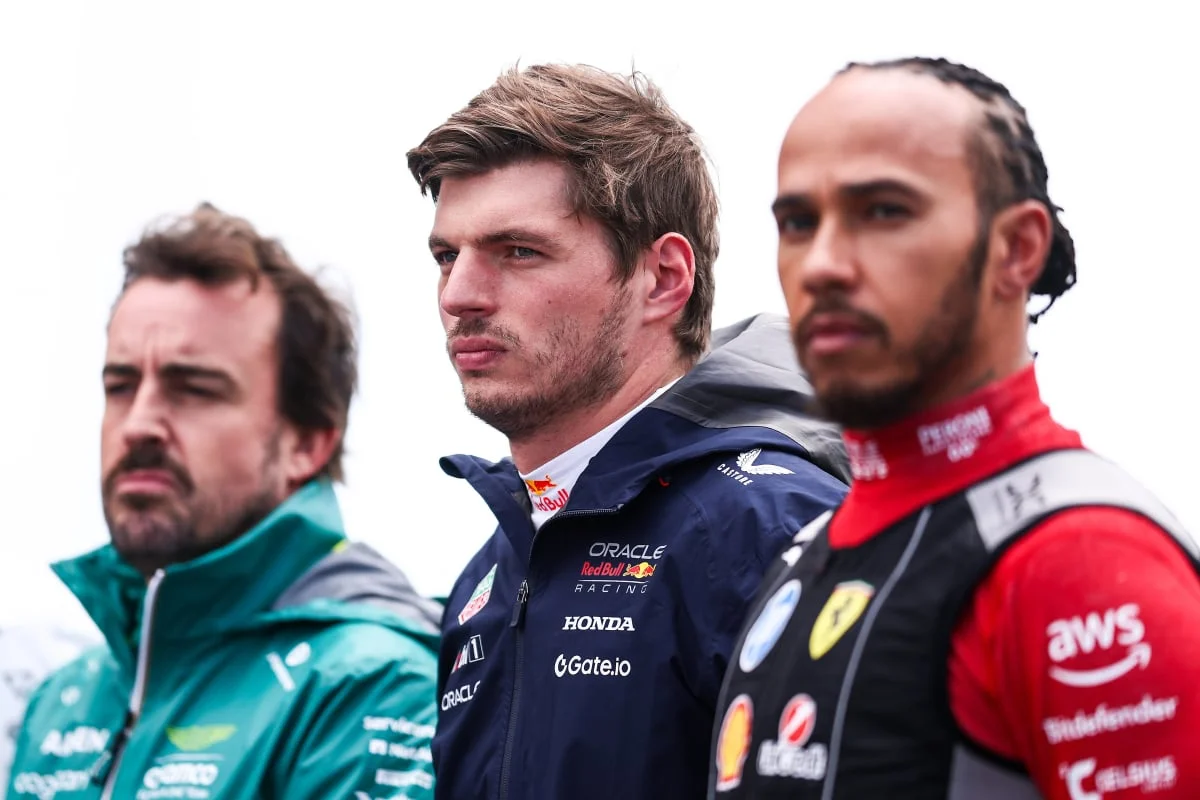

Nico Hulkenberg came close to joining Max Verstappen as a Red Bull teammate in 2021, according to Helmut Marko. Red Bull was deciding its lineup for the new season after parting ways with Alex Albon following a difficult 2020 campaign.
With doubts over giving Pierre Gasly another shot in the team, Red Bull considered options beyond their junior drivers. The two leading candidates were Hulkenberg and Sergio Perez, both experienced midfield drivers. This approach aligned with Red Bull’s desire to match the proven success of Mercedes, who had strong driver pairings with Lewis Hamilton and Valtteri Bottas.
At one point, Hulkenberg appeared most likely to secure the seat beside Verstappen. The German driver had not raced in 2020 after losing his spot at Renault to Esteban Ocon but made a notable impression during his substitute appearances at Racing Point. However, Perez’s strong finish to the season, including his first victory at the 2020 Sakhir Grand Prix, shifted the team’s preference towards him.
Hulkenberg’s near miss meant he did not join a top team that year, eventually returning to Formula 1 with Haas in 2023. Reflecting on the choice between Hulkenberg and Perez, Marko shared insights with F1-Insider, saying:
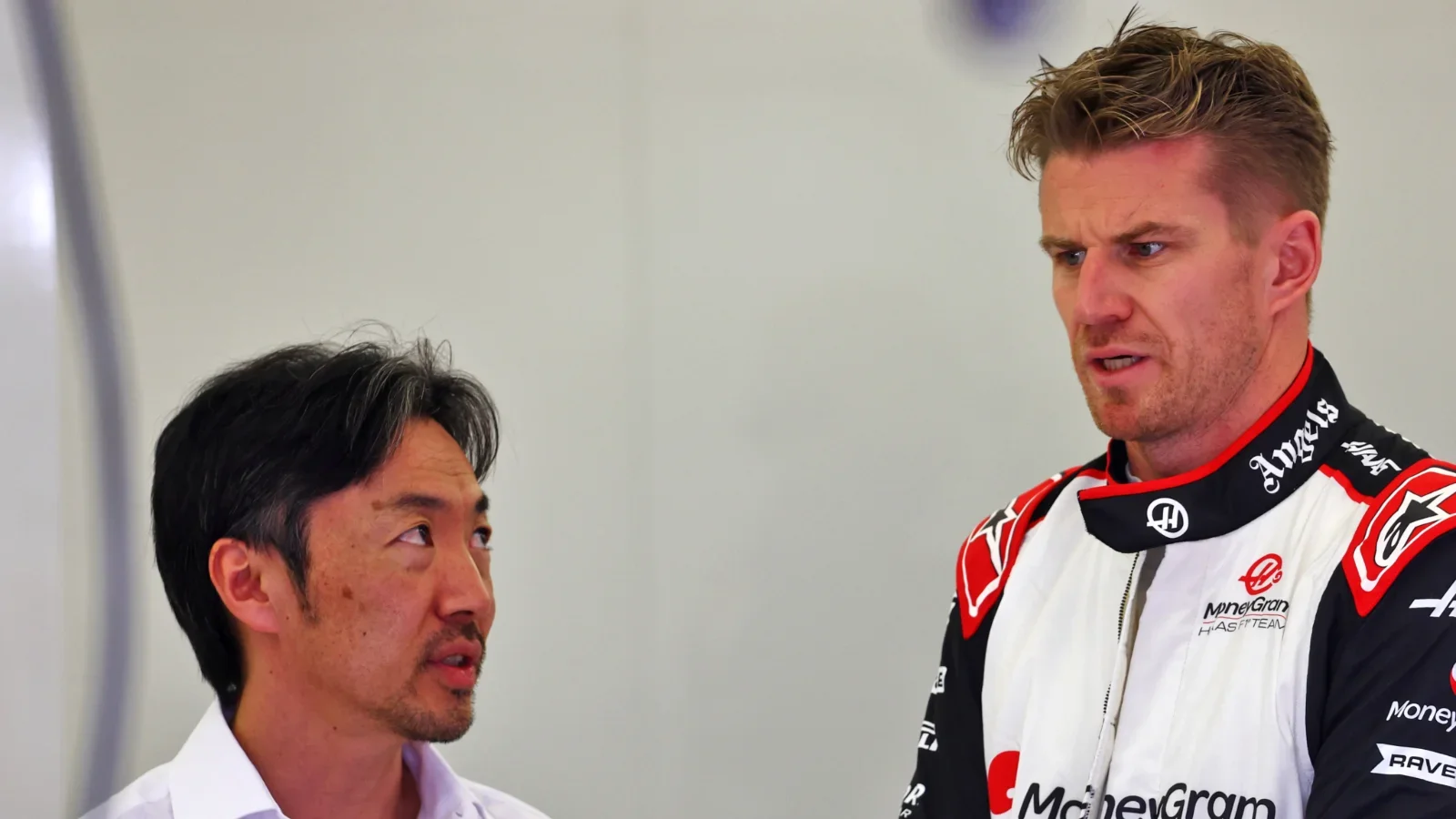
“At that time he [Hulkenberg] was, I think, a co-commentator at Servus TV, so there was already a relationship there, and there were the beginnings of talks, but then Perez won that race in Bahrain, I think, and because of that everything turned in Perez’s direction,”
—Helmut Marko
Marko added that the pairing could have worked well for the team, noting Hulkenberg’s reliability and their good personal relationship:
“I think it would have been a really nice time, because the two get along very well, and yes, Hulkenberg is a safe bank for points, and in our car it would also have been top positions.”
—Helmut Marko
Helmut Marko Reflects on the Decision and Driver Development
Helmut Marko, who oversees the Red Bull junior driver program, stood by the team’s choices. Under his guidance, Red Bull’s talent pipeline produced world champions like Max Verstappen and Sebastian Vettel, and race winners including Daniel Ricciardo and Carlos Sainz. Other drivers such as Alex Albon and Pierre Gasly also developed successfully though some, like Hulkenberg, missed opportunities to join Red Bull’s main lineup.
Marko emphasized the broader career paths of drivers outside Formula 1, explaining the value the team’s system brings to motorsport beyond F1:
“Actually, I stand by the decisions, and one has to bear in mind that over 95% of the drivers who did not remain in our cadre then go on to race in Formula E, race in WEC, race in DTM or elsewhere,”
—Helmut Marko
He added that these drivers often earn well outside of Formula 1 while continuing to compete in racing, supported by the exposure their time with Red Bull provided. Marko also highlighted the demanding nature of Formula 1, stating:
“And Formula 1 is the pinnacle, and it requires not only talent but also special characteristics and a certain strength, both mentally and in overall constitution.”
—Helmut Marko
The Impact on Hulkenberg and Red Bull’s Future Roster Choices
Hulkenberg’s near selection as Max Verstappen’s teammate demonstrates how thin the margins are for drivers competing at the highest level of motorsport. Sergio Perez’s breakthrough victory at Sakhir proved decisive for Red Bull, shaping their driver lineup strategy. Meanwhile, Hulkenberg’s eventual return with Haas allowed him to reestablish himself within F1, showcasing his continued competitiveness.
This moment in Red Bull’s history reflects the challenges teams face in balancing proven experience with emerging talent. As Red Bull continues to cultivate competitive drivers, the decisions made during that period contributed to shaping its current and future team compositions in Formula 1.