


Denver Nuggets star Nikola Jokic is recognized as a once-in-a-generation talent, redefining the center position with a revolutionary style reminiscent of Steph Curry’s influence on guards. His impact extends beyond his own play, shaping how future big men approach the game. Amid rising attention on younger talents, Houston Rockets center Alperen Sengun is often dubbed “Baby Jokic,” a nickname that highlights some similarities but also masks crucial differences in their games.
Sengun’s coach, Dorde Sijan, clarified these differences in an interview with Meridian Sport, emphasizing that Sengun has forged his own path rather than mirroring Jokic.
“Absolutely! Jokic changed the whole game, like Steph Curry. I never worked with Jokic, so Sengun never tried to copy him,”
Sijan noted.
“They call him Baby Jokic for his size, but they’re two different players. Nikola set high standards in everything, and Sengun wants to add his own segments.”
A significant distinction Sijan pointed out is Sengun’s current absence of a reliable three-point shot, an essential skill in today’s NBA. He explained,
“I tell him basketball is like a cake, made of slices. The slice he’s missing is the three-point shot. NBA is all about shot speed, reactions, and reading the game. Jokic may not be fast, but he plays at full reaction speed.”
Despite this gap, Sengun has been dedicating considerable effort during the offseason to improve his shooting range. According to Sijan,
“This year we focused mostly on three-point shooting. That shot was forbidden for him before. There’s big pressure on him to shoot more. NBA is modern basketball, they want him to be a five or four who can stretch.”
Statistical Overview of Jokic and Sengun’s Head-to-Head Battles
Across ten matchups between Nikola Jokic and Alperen Sengun, Jokic leads with six wins while Sengun has secured four victories. Jokic’s averages in these games highlight his dominance, registering 25.2 points, 12.9 rebounds, 8.2 assists, and 1.1 steals per contest. Meanwhile, Sengun has put up solid numbers with 16.9 points, 7.9 rebounds, 5.0 assists, and 0.7 steals per game.
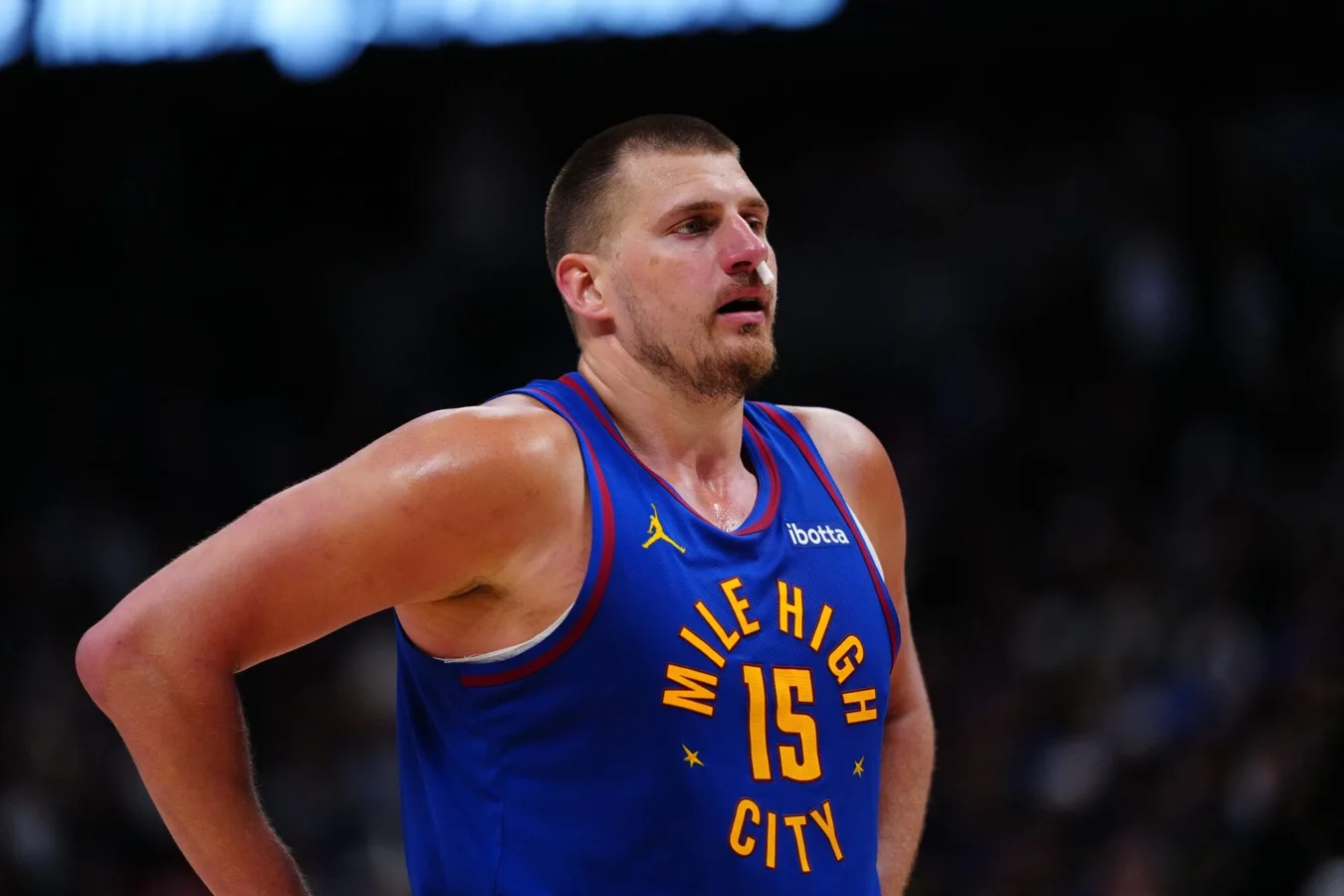
In eight out of these ten encounters, Jokic surpassed Sengun in both points and rebounds. However, Sengun’s youth—at 23 years old compared to Jokic’s 30—suggests there remains ample time for him to refine his skills and potentially reach a higher level.
Looking Ahead: Sengun’s Potential Growth and NBA Center Evolution
As the NBA continues to evolve with an emphasis on versatile big men who can shoot from long range and facilitate offense, Sengun’s offseason focus on developing his three-point shot is critical. Coach Sijan emphasized the modern game’s demands, noting the pressure on Sengun to become a stretch five or four—a role Jokic already excels in through his unique combination of court vision and playmaking despite Jokic’s slower pace.
The comparison between Jokic and Sengun underlines not only the exceptional nature of Jokic but also the developmental journey ahead for the Rockets’ young center. Sengun’s growth in shooting and game understanding will determine how closely he might approach Jokic’s level in the coming years.