


The PGA Tour revealed its 2026 FedExCup regular season schedule on Tuesday, featuring 35 official events, including nine signature tournaments highlighted by the new Miami Championship. This packed lineup has raised concerns from golfer and commentator Smylie Kaufman about the challenging calendar for players who do not qualify for these high-profile events, especially during the busy April-May period following the Masters.
Kaufman pointed out that this concentrated stretch includes several majors and signature events such as the RBC Heritage, Truist Championship, and the PGA Championship, creating a difficult landscape for non-qualified competitors due to the disparity in FedExCup points awarded between the elevated tournaments and regular full-field events.
Smylie Kaufman Highlights Challenges Faced by Non-Qualified Players
Smylie Kaufman expressed his concerns about the schedule’s demands for players outside the signature event fields, emphasizing the limited opportunities for full-field points events immediately after the Masters. The time from April to May sees most tournaments either as majors or signature events, while only a few smaller events offer meaningful FedExCup points during this period.
“Tough not being in the signature events next year, especially during the April–May stretch. After the Masters, the next full field points event isn’t until the Byron Nelson, a month and a half later. 5/6 events in that span are majors or signature events, with Zurich/Myrtle being less points.”
—Smylie Kaufman, Golfer and Commentator
Key Dates and Venues for the 2026 Season’s Signature Events
The 2026 PGA Tour season will commence with The Sentry on January 7 and will include events hosted at some of the world’s most iconic golf courses. Notably, the season features three player-hosted signature events: The Genesis Invitational hosted by Tiger Woods, the Arnold Palmer Invitational, and Jack Nicklaus’ Memorial Tournament. Returning to the circuit is Trump National Doral, which will host the newly introduced Miami Championship from April 30 to May 3, followed by the Truist Championship.
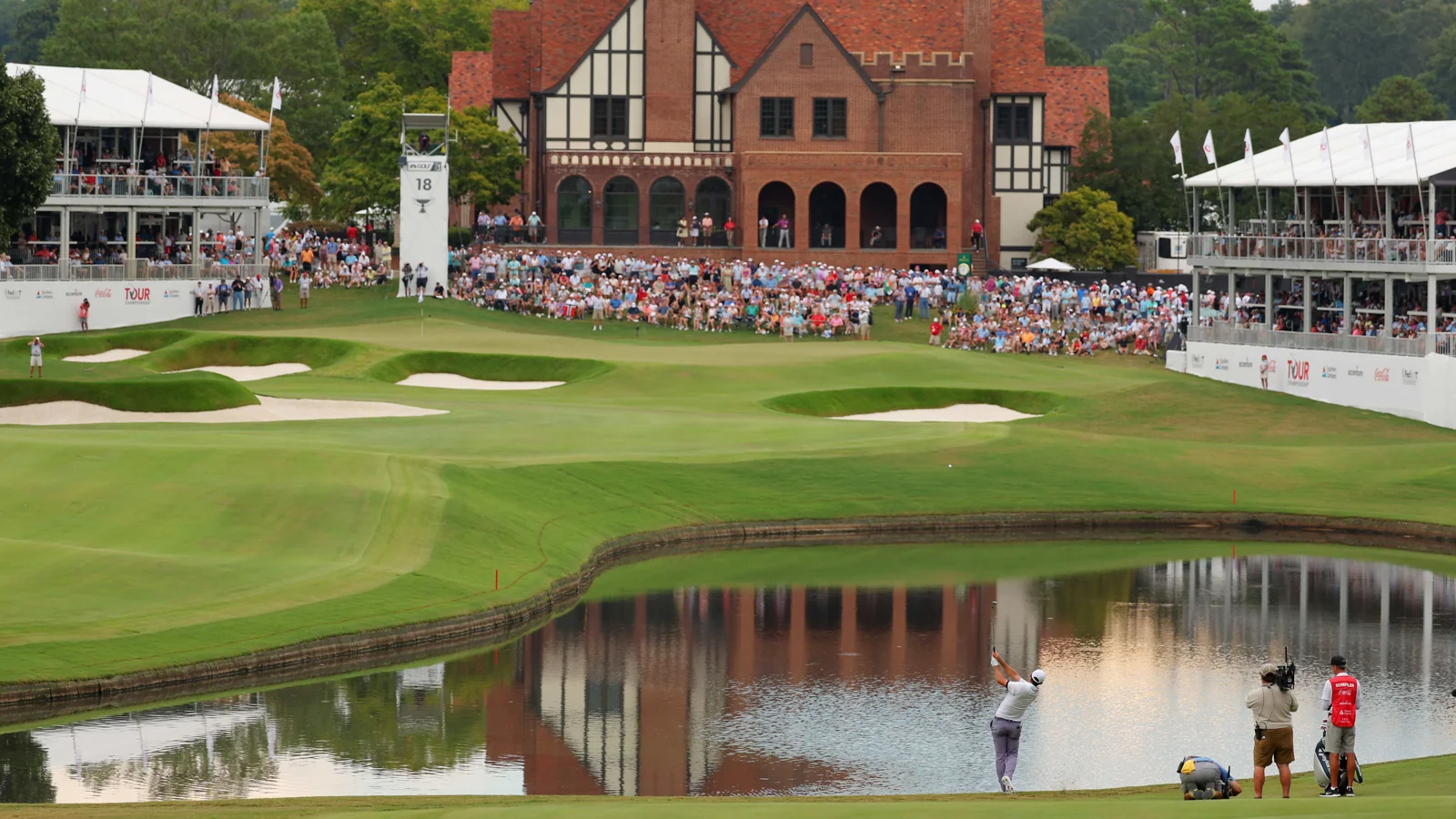
The Masters will take place from April 8-12 at Augusta National Golf Club, after which the RBC Heritage at Harbour Town Golf Links will follow. The tightly spaced schedule will see the Miami Championship and Truist Championship played in quick succession, with the Myrtle Beach Classic running opposite the signature event just before the PGA Championship.
Eligibility Changes and Prize Purse for the 2026 Season
The 2026 season introduces modifications to field sizes and eligibility rules as the top 100 players from the previous FedExCup Fall standings will earn exempt status for the season, a reduction from the previous 125. Players ranked 101-125 will receive conditional status. Despite these changes, the $20 million prize purse for the elevated signature events will remain unchanged, underscoring their prestige and significance within the Tour’s calendar.
Complete List of Signature Events Set for 2026
The nine signature events scheduled for the 2026 PGA Tour season include:
- The Sentry – January 7
- The Genesis Invitational – Hosted by Tiger Woods
- Arnold Palmer Invitational
- Memorial Tournament – Hosted by Jack Nicklaus
- Miami Championship – New event held at Trump National Doral, April 30-May 3
- Truist Championship – Following the Miami Championship
- RBC Heritage – Hosted at Harbour Town Golf Links
- PGA Championship
- The Masters – April 8-12 at Augusta National
Implications for Players and Future Schedule Outlook
The 2026 PGA Tour signature events restructure signals a more selective environment for top competition, making it increasingly important for players to secure spots in these elite fields to maximize their FedExCup points and earnings. The tight clustering of majors and signature tournaments presents both opportunity and obstacle, particularly for those outside the automatic qualifiers, as pointed out by Kaufman’s observations.
As the season approaches, the impact of these calendar changes will likely influence player strategies and participation decisions, with the broader Tour ecosystem adjusting to balance prestige, player focus, and competitive fairness in a demanding schedule.