
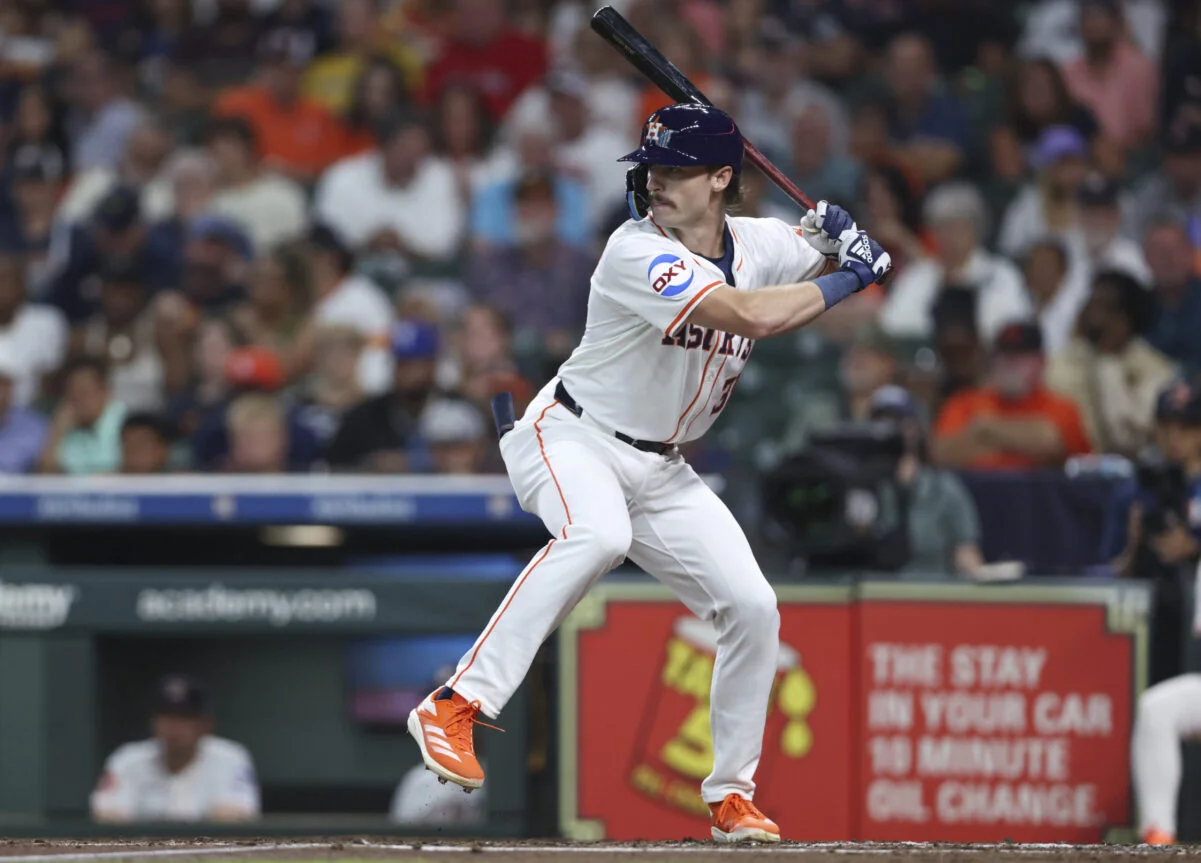

Jonathan India entered the professional baseball spotlight after being selected fifth overall in the 2018 MLB Draft from the University of Florida, a status reflected in the 2019 Cincinnati Reds Top Prospects list published in December 2018. At that time, he was ranked fourth within the Reds system, with notable prospect analysts Eric Longenhagen and Kiley McDaniel assigning him a future value (FV) of 50. Shortly afterward, India was placed at no. 75 on FanGraphs’ Top 100 prospects, establishing him as one of the more promising young players in the game. The keywords “Jonathan India FanGraphs scouting report” were tied to this early assessment of his potential and skills.
Major League Debut and Career Progression
India’s major league career began on Opening Day 2021 when he debuted with the Cincinnati Reds. His performance throughout that season crowned him the National League Rookie of the Year. Since then, he has been a consistent presence in the lineups for both Cincinnati and Kansas City. In November 2023, the Reds traded him along with fellow player Joey Wiemer to the Kansas City Royals in exchange for Brady Singer. This transition marked a shift in India’s role as he assumed more of a super-utility position with the Royals.
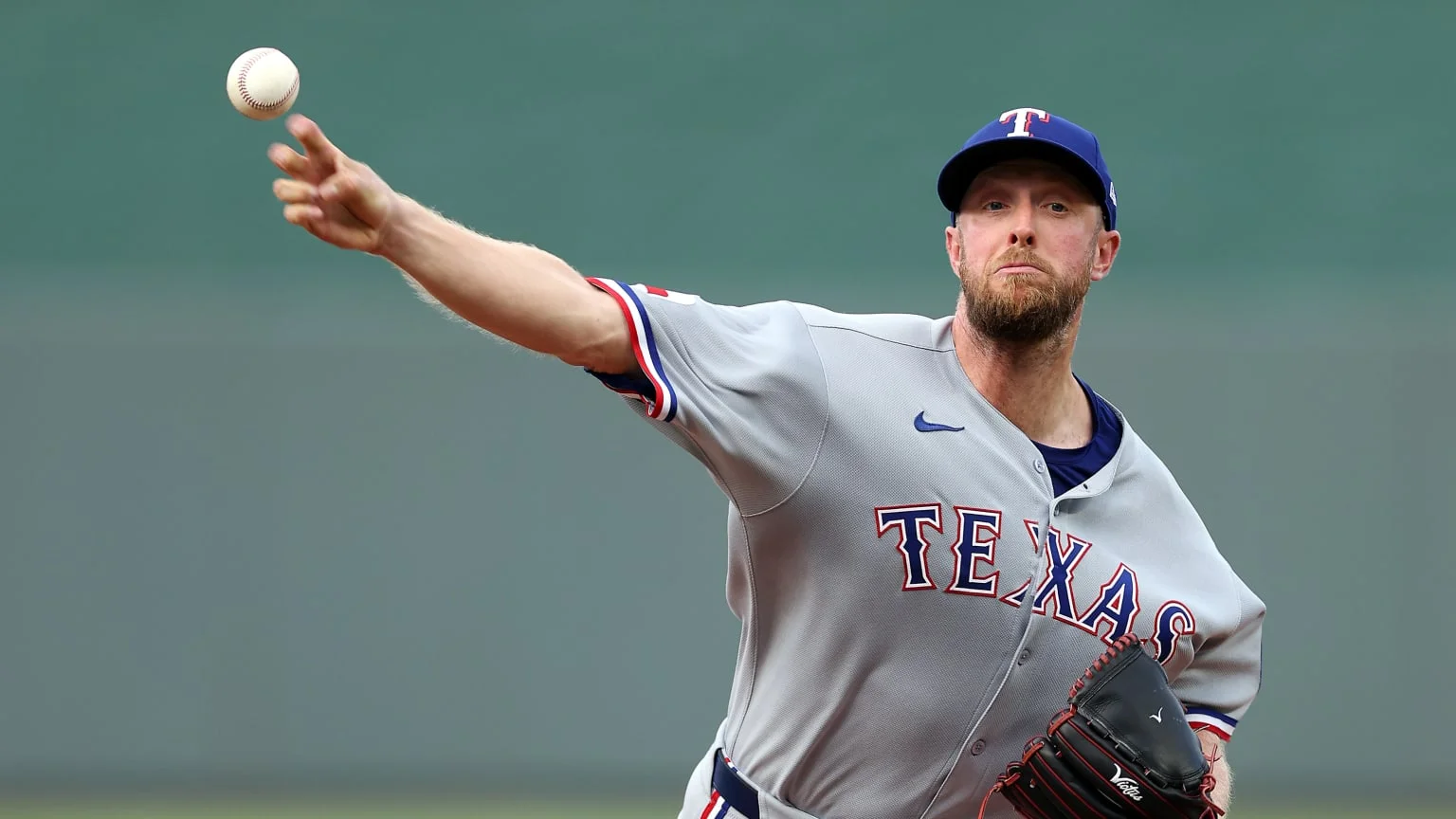
While his rookie season posted a WAR (Wins Above Replacement) of 2.9, his 2023 numbers show a downturn. India recorded a batting line of .237/.324/.352 with eight home runs and an 89 wRC+ (weighted runs created plus), resulting in a negative WAR of -0.3. However, his play has improved since August, with a 113 wRC+ during that period. Over more than four MLB seasons, India has compiled 71 home runs, a 104 wRC+, and a cumulative 7.9 WAR, reflecting his overall contributions despite recent struggles.
Reflection on the 2018 FanGraphs Scouting Report
The original FanGraphs scouting report from December 2018 highlighted India’s standing as a well-known prep prospect from South Florida, noting a solid but not elite set of tools at that stage. The report cited his decision to attend the University of Florida after the draft out of American Heritage School in Delray Beach.
Responding to these insights, India reflected,
“That would have been 2015, 10 years ago,”
referencing his prep years.
“I wasn’t mentally ready, I guess. I wanted to go to college, learn how to be on my own, learn how to be a man. So, it was really about personal development. There was no baseball involved. It was more that I wanted to grow up and enjoy college. Live life.”
—Jonathan India
Development Through College and Coming Into His Own
The scouting report mentioned that India’s first two years in college were steady but not spectacular, with regular playing time but no major breakthroughs. It was only during his draft year that he lost weight, gained strength, made key offensive adjustments, and excelled in the highly competitive Southeastern Conference (SEC).
India explained the transformation, saying,
“I was just growing up, man, It’s called maturing — my body was maturing. As far as [exploding in his draft year], I was just enjoying the game. Everything was going my way that year. Just in general, defense and offense, I was playing well. Adjustments… I forget, man. That was seven years ago. It was different. It was just different.”
—Jonathan India
The scouting report also noted that his status as a sure first-round pick only became clear midway through that season, eventually becoming a consensus top 10 pick by draft time.
India noted his mindset at the draft, sharing,
“Again, I just had a really good year, I wasn’t paying attention to [draft rumors]. I didn’t really care about that. I actually didn’t even know that the Reds were on me. If I remember correctly, I was picked one pick before I thought I was going to get picked. I thought I was going to go sixth to the Mets. I’d met with the Mets. I mean, I met with basically every team, but I was surprised by the Reds.”
—Jonathan India
Skills and Defensive Versatility Highlighted
The 2018 FanGraphs report evaluated India’s raw power at 55 (out of 80), mentioning some scouts placed it as high as 60. His defensive profile was balanced at third base, rated 55 for both defense and arm strength, with some experience playing shortstop in college. The report suggested he might serve as a limited-range fill-in at shortstop, with potential to cover second base if needed.
India confirmed,
“I played third and short at Florida; I never played second until the big leagues. My expectations were probably third. I played third in the minor leagues, although I only played one full year in the minors [in part because the pandemic cancelled the 2020 minor league season]. It went quickly.”
—Jonathan India
Offensive Profile and Approach at the Plate
FanGraphs projected India maintaining his power ability with a 55 power rating and a 50 hit tool, noting he might accumulate more strikeouts than average. They outlined his potential to be a “hit-over-power” type hitter depending on his and the team’s approach.
India reacted to the notion of being labeled a power hitter by stating,
“Were they saying that I was a power hitter in college? I don’t know about that one. I do know that I’ve never tried to be a power hitter. I’m not big enough. I just try to be a hitter.”
—Jonathan India
What This Means for India’s Career Outlook
The 2018 FanGraphs scouting report provided a largely accurate portrayal of Jonathan India’s strengths, weaknesses, and developmental trajectory. While his initial projections reflected solid athleticism and balanced tools, his steady rise to Rookie of the Year and MLB regular has demonstrated growth and adaptability. His recent struggles in Kansas City underscore the challenges players face when adjusting to new roles and environments.
India’s reflections show a player grounded in personal growth and enjoyment of the game rather than early hype, which may serve him well as he continues to refine his skills. His defensive versatility and evolving offensive approach remain valuable assets moving forward, especially as he has begun to show improvement later in the current season.