
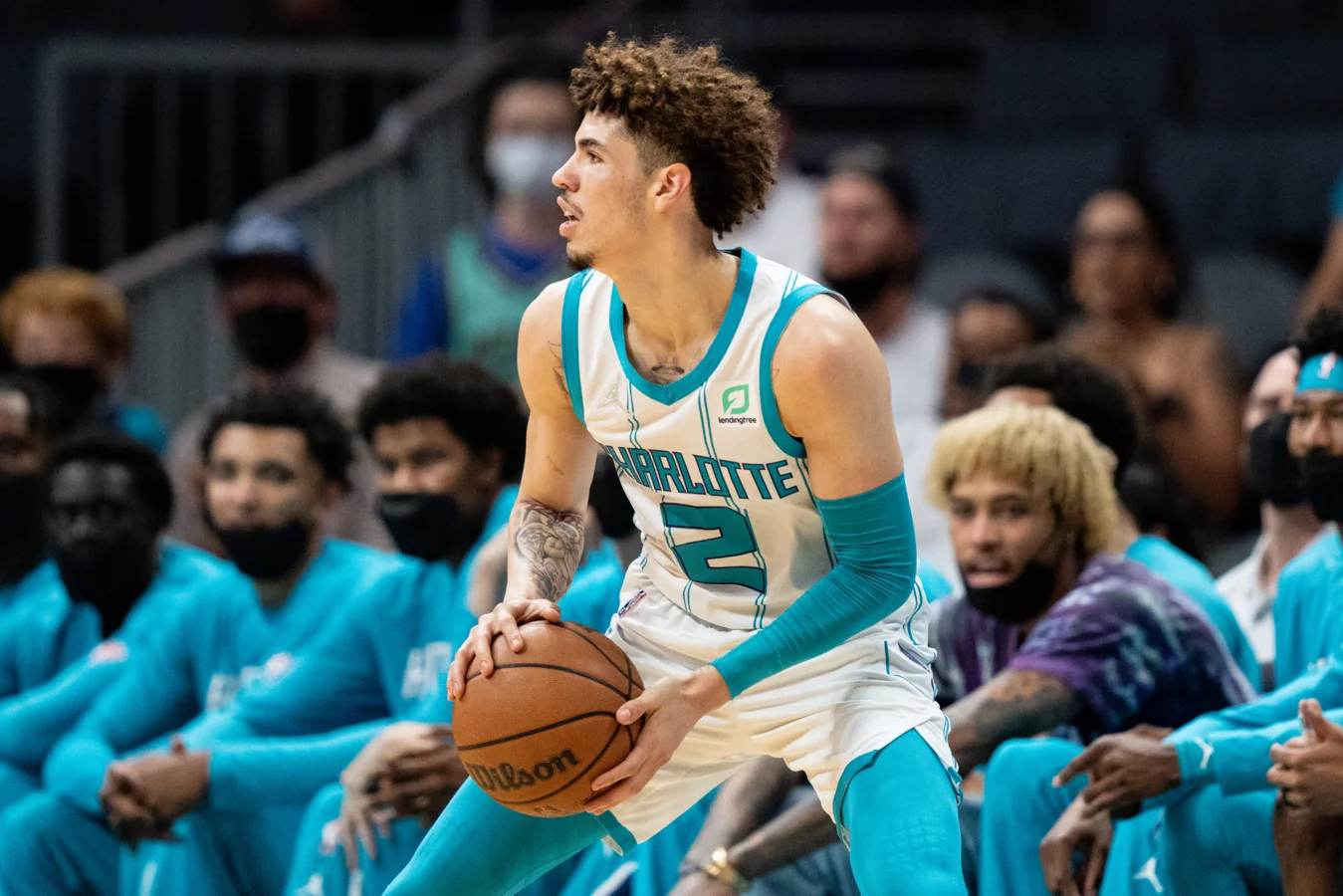

The Charlotte Hornets’ chances of reaching the NBA Play-In Tournament hinge heavily on how many games LaMelo Ball participates in during the season. Over the past few years, the Hornets have struggled to find consistency, with noticeable differences in their performance depending on Ball‘s presence in the lineup. This spotlight on LaMelo Ball Hornets games play comes as the team looks to break its recent cycle of missed postseason opportunities.
Last season, the Hornets’ record with Ball on the court stood at 16-31, and without him, the team plummeted to a 3-32 mark. While neither record is impressive, the contrast is stark—without their star guard, the Hornets are on pace to finish with the worst record in NBA history. This dramatic divide underscores Ball’s vital impact and the urgency for him to maintain health and availability if Charlotte hopes to improve their standings.
Examining the Impact of Star Players in Team Performance
The phenomenon where a team performs differently with or without its star player is not new. Popularized in the mid-1990s by sportswriter Bill Simmons through what was termed “The Ewing Theory,” it highlights cases where teams have played better during stretches the star was injured or sidelined. Patrick Ewing’s teams, for example, sometimes surprisingly thrived in his absence. In football, a famous instance occurred when the New England Patriots replaced injured starter Drew Bledsoe with rookie Tom Brady, who led the team to its first Super Bowl title, even after Bledsoe’s return.
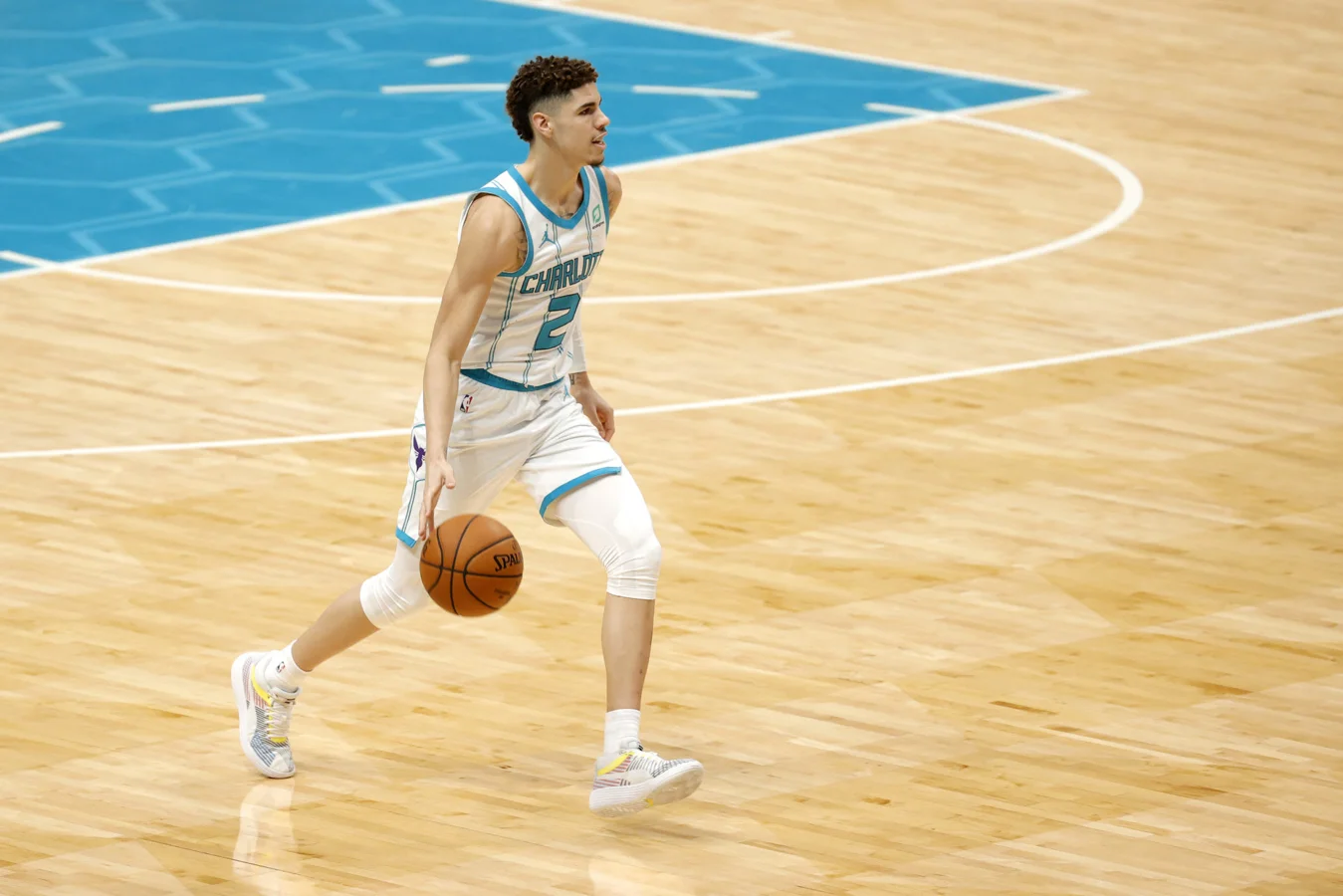
However, such turnarounds are rarer in the NBA, where the absence of a key player typically leads to worse outcomes. Occasionally, teams manage to advance despite missing stars, as the 2018 Boston Celtics did by reaching the Eastern Conference Finals without Kyrie Irving and Gordon Hayward. Still, such exceptions are not the norm, especially for teams like the Hornets that rely on their star guard.
Charlotte’s Recent Seasons Highlight Dependence on Ball
Since LaMelo Ball’s arrival in 2020, the Hornets have yet to solidify a winning trajectory. Ball has played under 50 games in each of the past three seasons, during which the team missed the Play-In Tournament every year. Conversely, during his first two seasons when he appeared in more than 50 games, Charlotte reached the Play-In Tournament each time.
This pattern reveals that Ball‘s health and presence strongly correlate with the Hornets’ chances of postseason play. With his injury history continuing to limit availability, the team’s performance suffers dramatically, signifying that the Hornets cannot escape mediocrity without him consistently on the floor.
Improved Guard Depth Offers Some Cover but Not Enough
Charlotte’s guard rotation has deepened, featuring capable players like Collin Sexton, Spencer Dinwiddie, Tre Mann, KJ Simpson, and potentially Nick Smith Jr. if he secures a spot on the final roster. These players provide a more stable foundation than in previous years, allowing the Hornets to better withstand Ball‘s absences than before.
Yet this depth is insufficient to compensate fully for LaMelo’s playmaking and leadership. The Hornets still depend on Ball to unlock their full potential and drive them toward postseason contention. His availability remains the deciding factor in whether the team can improve beyond its historically poor records.
The Road Ahead: Can LaMelo Carry the Hornets Back into Playoffs?
The Hornets enter this season with cautious optimism, as the prospect of a brighter future hinges largely on LaMelo Ball’s health and durability. With combined guard depth, the organization is better positioned to manage his absences, but the success narrative remains firmly tied to their star’s ability to suit up and compete consistently.
As the season unfolds, all eyes will focus on Ball’s game count. Reaching or surpassing 50 games played could finally lift the Hornets back into the Play-In Tournament conversation, while continued injuries will only deepen frustrations over sustained underperformance. For now, the link between LaMelo Ball Hornets games play and the team’s fortunes remains unmistakably clear.
“The theory was created in the mid-’90s by Dave Cirilli, a friend of mine who was convinced that Patrick Ewing’s teams (both at Georgetown and with New York) inexplicably played better when Ewing was either injured or missing extended stretches because of foul trouble.”
—Bill Simmons, Sportswriter
“The backup was named Tom Brady.”
—Bill Simmons, Sportswriter