
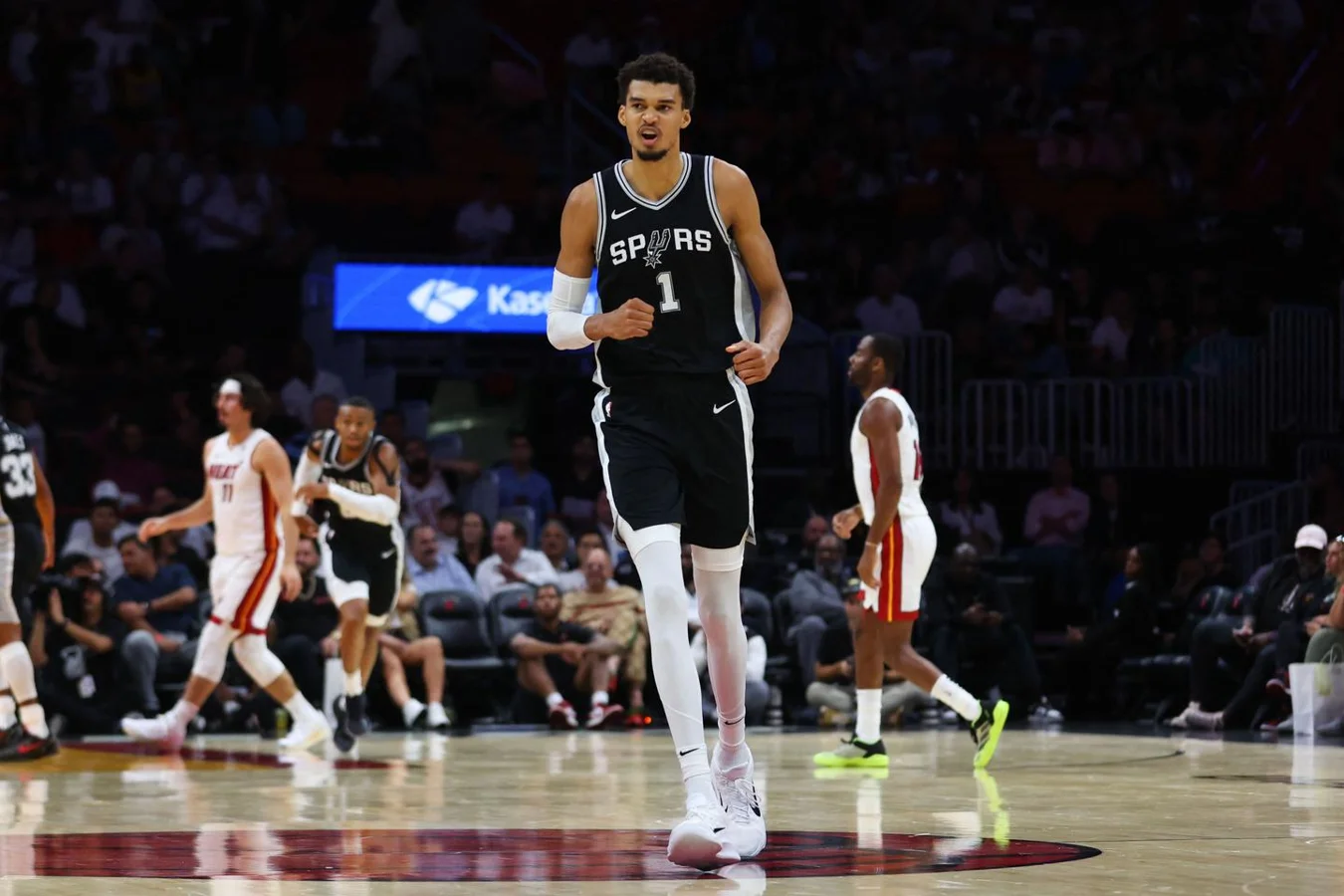

Kendrick Perkins, former NBA champion and Oklahoma City Thunder big man, recently voiced strong concerns about the public school system’s role in developing future basketball stars like Victor Wembanyama. Speaking on his Road Trippin podcast, Perkins argued that kids aiming for an NBA future potential must avoid public schools because their academic demands leave little time for basketball training and skill development.
He emphasized that in the United States, young athletes who want to reach professional levels often need to be in environments devoted to basketball, which he believes public institutions fail to provide.
Perkins Highlights Time Mismanagement in Public Education
According to Perkins, the extensive time spent on academic subjects unrelated to sports creates a major obstacle for aspiring players. He bluntly stated,
“If you have plans on playing basketball past high school at any level, regular public school is not he f****** answer,”
“Times are different. They’re wasting three hours of their day doing s*** at their school that is not benefiting them, and they are getting behind the 8-ball.”
Perkins insisted that students who want to succeed in basketball need to dedicate more hours every day toward their training rather than classroom activities he finds irrelevant to their athletic goals.
Prep Schools and Homeschooling as Alternatives for Top Prospects
Perkins noted that many of the nation’s top basketball prospects opt for prep schools or homeschooling to better focus on their athletic development. He pointed out that elite players take basketball seriously and choose educational paths that support their sports aspirations.
“The top-tier players, the ones that are taking basketball serious, they are either in a home school or prep school.”
He illustrated this with an example involving Marcus Spears’ son, who was recently named the No. 1 player in the country and attends Jermaine O’Neal’s prep school in Dallas.
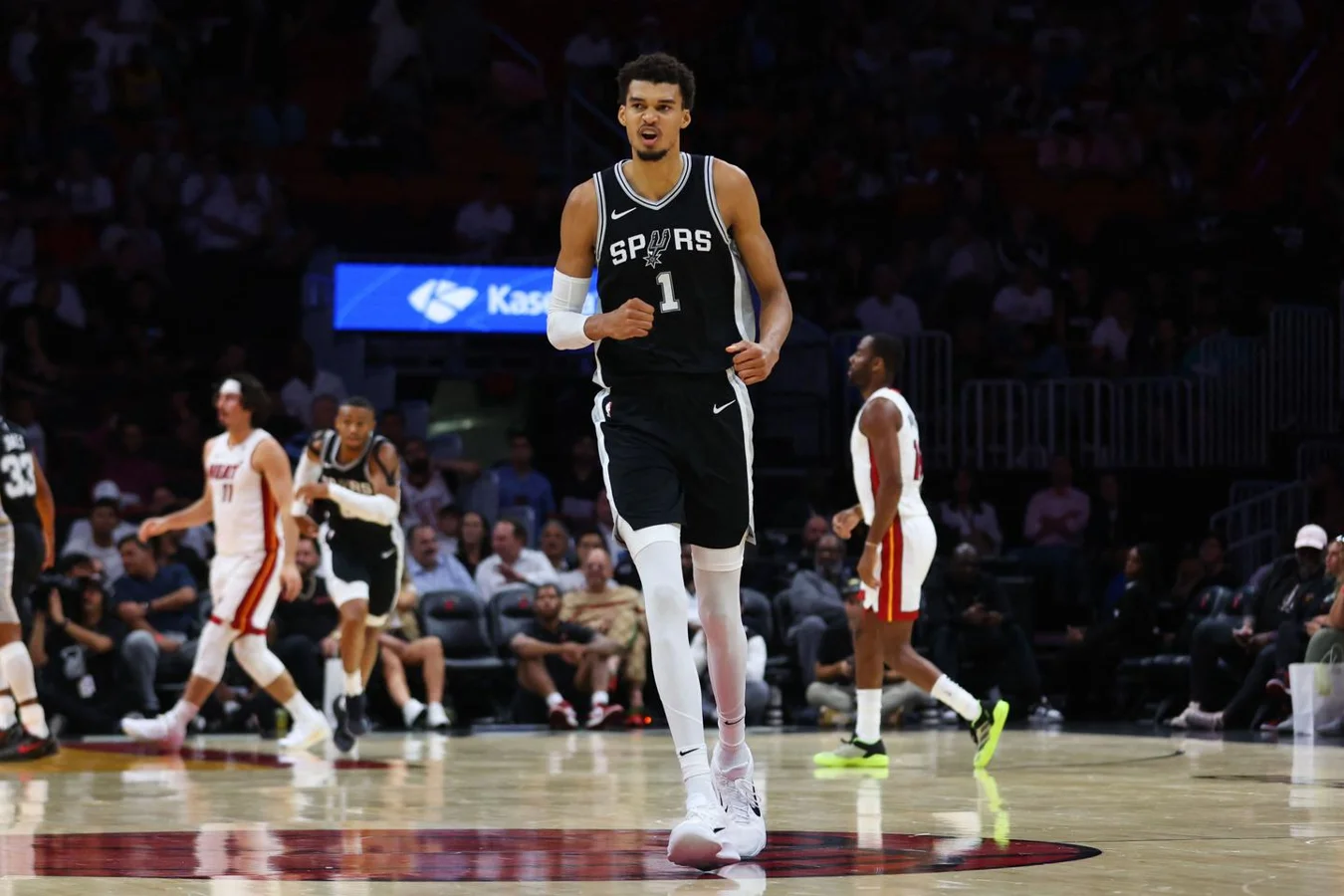
“Marcus Spears’ son, who was just named the No. 1 player in the country, his son goes to Jermaine O’Neal’s school. Jermaine O’Neal has a prep school in Dallas that his son went to. By the way, his son is at SMU now, full ride,”
Perkins emphasized that these customized educational environments provide the flexibility young athletes need to progress in both academics and sports.
The Emphasis on Fundamentals and Basketball Training Over Traditional Subjects
Expressing his belief that some school subjects are unnecessary for athletes pursuing basketball careers, Perkins proposed focusing education on basic skills. He argued that aspiring players only need to learn essential reading, writing, and arithmetic while dedicating substantial time to improving their basketball craft.
“The other part of your day needs to be dedicated to working on your craft. Because if you’re not, you’re going to be behind in the game of basketball,”
This stance reflects Perkins’ concern that too many young athletes fall behind due to a traditional schooling model that conflicts with rigorous sports training demands.
Examples from International Stars Support Perkins’ Viewpoint
Perkins supported his argument by referencing prominent international NBA players such as Luka Doncic, Victor Wembanyama, and Giannis Antetokounmpo. He highlighted the likelihood that these superstars did not follow typical school schedules that allow for extended hours of academics. Additionally, he mentioned a rising 13-year-old player from Paris, Mohamed Dabone, who recently joined FC Barcelona’s basketball program.
“I just saw a 13-year-old out there, who’s 6’8″ in Paris, that they just put on social media. I guarantee you he’s not in school for 7–8 f****** hours a day. He’s training,”
Perkins’ comparison underscores the variations in training models worldwide and the potential advantages when schooling is tailored around athletic development.
Implications for Aspiring Basketball Players in the United States
Kendrick Perkins’ warnings raise important questions about how the U.S. educational system supports young athletes aiming to unlock their full basketball potential. His perspective suggests that greater flexibility and specialized programs might be necessary to nurture prospects like Victor Wembanyama effectively. While public schools have historically integrated sports into their offerings, Perkins argues the structure is no longer adequate to match the demands of elite basketball development.
As a result, families and players pursuing an NBA future potential may need to consider alternative schooling options, such as prep schools or homeschooling, to balance academics with intense athletic training. This approach could ultimately influence how basketball talent is cultivated in the coming years and whether the public school system evolves to meet these needs.