
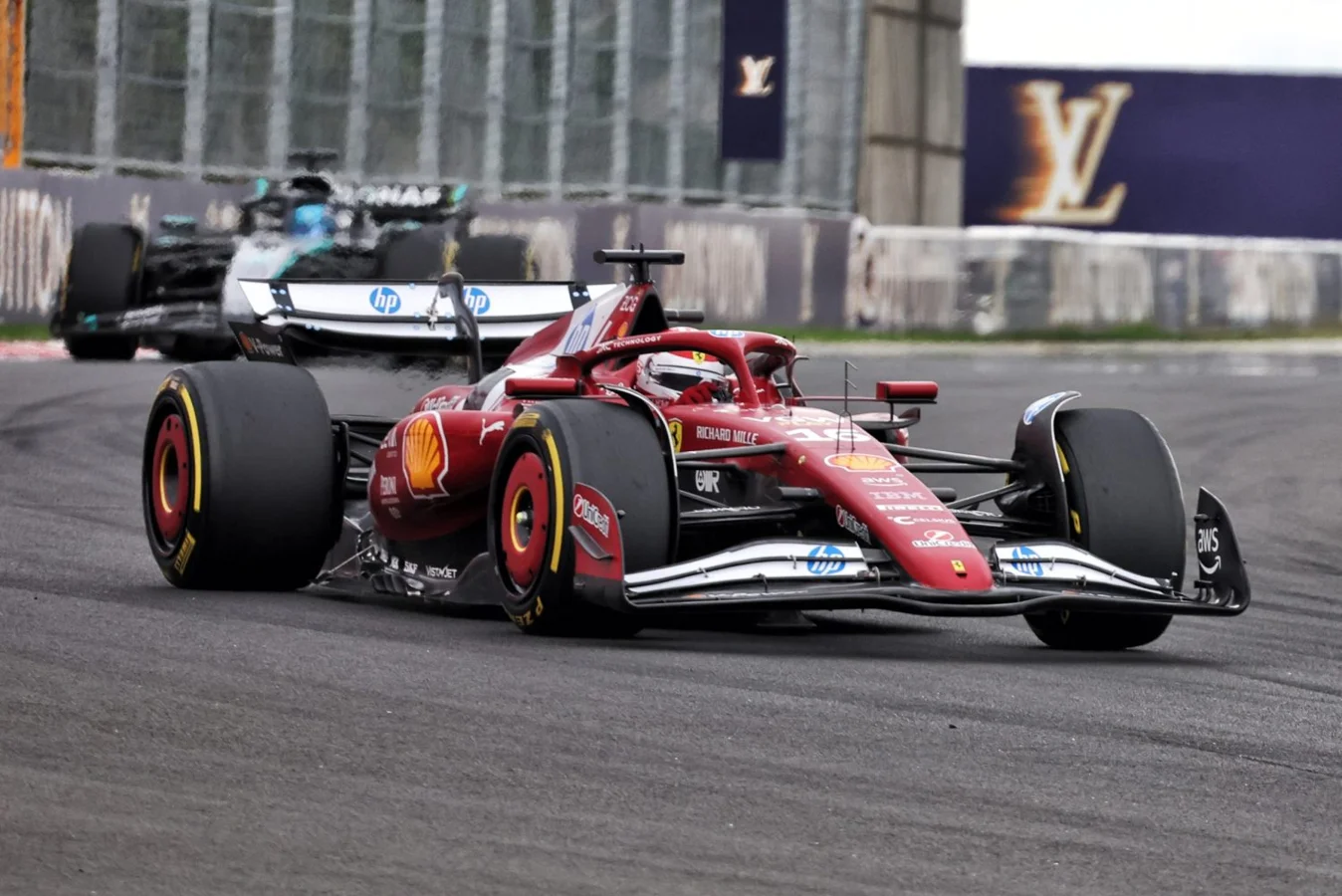

Charles Leclerc has indicated that Formula 1 drivers will encounter unprecedented challenges when the sport introduces sweeping chassis and power unit changes in 2026. These fresh regulations, described as the most significant overhaul in nearly eighty years, will redefine racing dynamics and demand a complete reset of driving techniques.
The upcoming season will maintain turbo-hybrid powertrains but increase the reliance on electric energy, with hybrid systems supplying half of the car’s power. Meanwhile, internal combustion engines will shift to sustainable fuels. Aerodynamic updates will remove ground effect, replacing it with mostly flat floors and movable wings, signaling a drastic change in car behavior and race strategy.
How the new 2026 rules will transform the racing experience
The combination of altered aerodynamics and power unit technology will result in a racing style unfamiliar to current drivers. Early simulations have given some insight into how different the cars will handle, requiring a new approach to driving. Leclerc expressed that drivers will need to “forget whatever we’ve learned” throughout their careers and effectively start fresh to succeed under the new regulations.
He elaborated on the personal challenge, saying that erasing ingrained muscle memory after decades of competing will feel unusual but is necessary to embrace the evolving sport.
“It’s very, very different to what we are used to,”
Leclerc said, emphasizing the difficulty in adjusting.
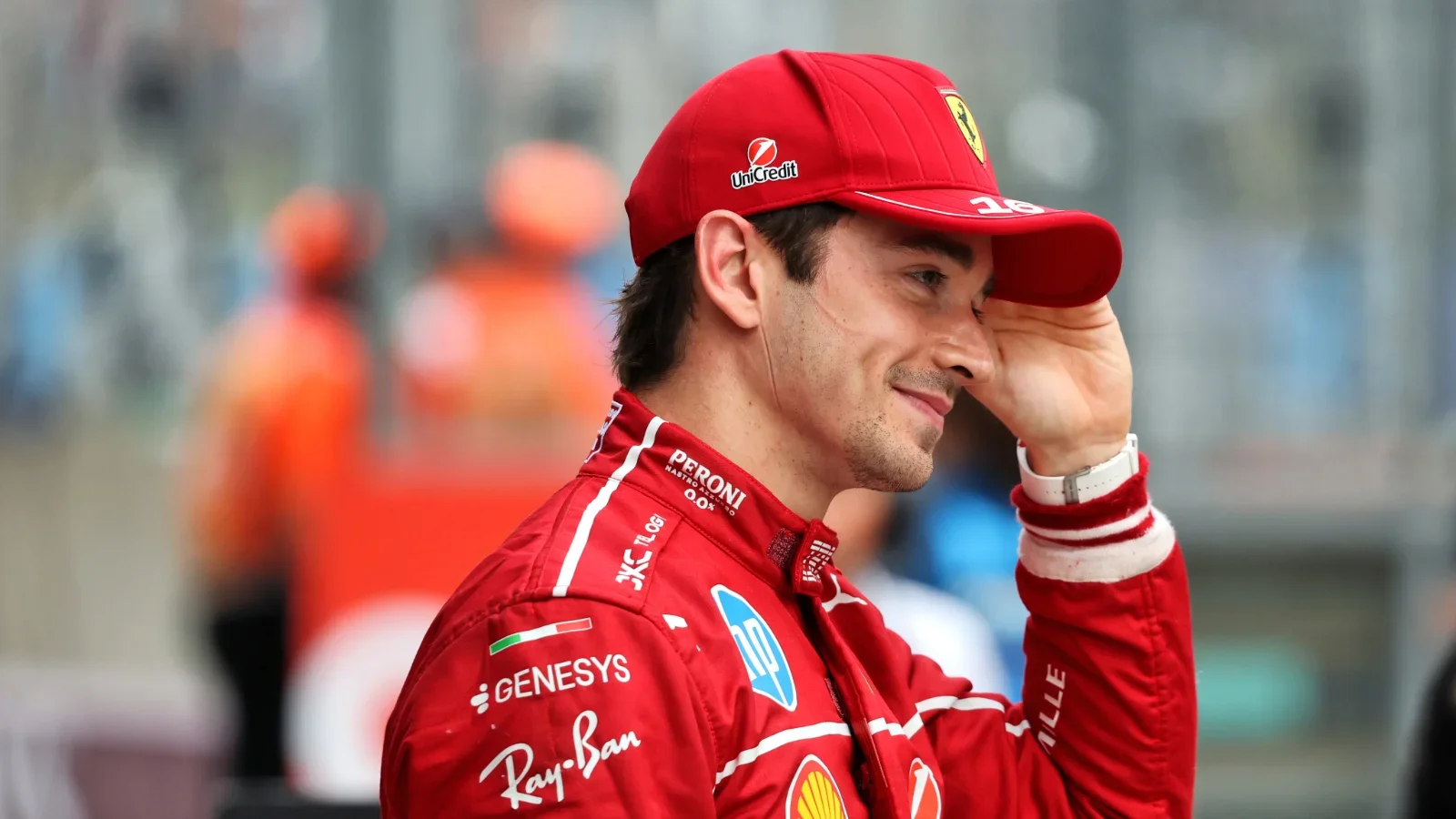
It’s very, very different to what we are used to,
—Charles Leclerc, Formula 1 driver
That’s a little bit strange because, having done this sport since I’m four years old, to be having to erase something from my muscle memory will be, would be a little bit strange. But it’s part of the game, and in itself, it’s a challenge to try and reinvent a little bit the rules and find some performance in other things.
—Charles Leclerc, Formula 1 driver
I’m looking forward to the challenge, but it’s very different.
—Charles Leclerc, Formula 1 driver
Expert insights on the mental demands and changes to driving technique
Alex Albon, driver for Williams, echoed Leclerc’s assessment, highlighting the elevated mental strain that the new rules will impose. Albon compared the energy management aspects of future F1 racing to those in Formula E, pointing out that correctly deploying power will become crucial to performance.
He explained that mastering the new hybrid system and adapting to a revised driving style will be essential skills for drivers next season. According to Albon, the complexity of managing the engine’s power output and hybrid deployment will shape race outcomes more than before.
It’s difficult to drive. The load on the driver, mentally, is high as well,
—Alex Albon, Williams driver
It’s quite important to know how to use the engine and the deployment, and you have to learn a different driving style, but it’s part of the regulations.
—Alex Albon, Williams driver
Preparations underway as teams focus on 2026 car development
In response to the wide-ranging regulation shift, F1 teams have already redirected significant resources toward next year’s chassis design, while power unit development has been progressing for some time. This strategic pivot anticipates that aerodynamic influence will diminish compared to current standards, placing more emphasis on power trains reminiscent of the 2014-2021 hybrid era.
The transition is expected to disrupt the competitive hierarchy, allowing teams that adapt fastest to seize advantages. Leclerc’s team, Ferrari, along with others, face the challenge of balancing raw power with energy efficiency within the new framework.
Leclerc shared his experience adapting to the new power unit during initial testing, reflecting a pragmatic view on the transformation.
“It was more just getting my head around the PU and understanding how to make the most of that,”
he noted.
It was more just getting my head around the PU and understanding how to make the most of that.
—Charles Leclerc, Formula 1 driver
Implications for drivers and the future of Formula 1
As the 2026 season approaches, Charles Leclerc and his fellow drivers prepare to face what may be the most fundamental changes in Formula 1’s recent history. The combination of advanced hybrid powertrains, sustainable fuels, and revised aerodynamics promises to reshape race strategies and driver skill sets.
This new era is likely to test the adaptability and mental resilience of drivers more than ever before, with energy management becoming a critical competitive factor. Teams that effectively master these demands stand to alter the balance of power within the championship.
Ultimately, these technical changes will redefine the sport’s identity and racing spectacle, ushering in a fresh chapter for Formula 1 and its global audience.