
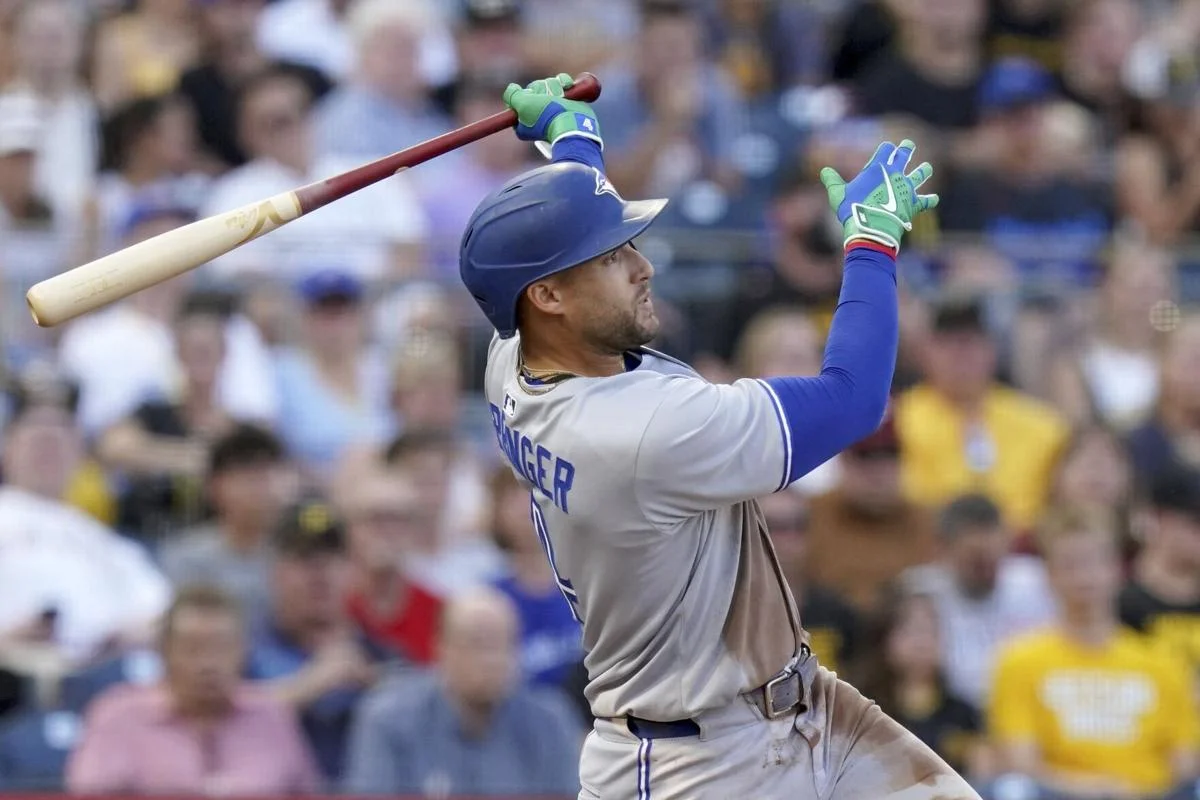

Toronto Blue Jays veteran George Springer has delivered one of the most impressive performances of his career in the 2024 season. The 35-year-old outfielder boasts a .292 batting average with 21 home runs and 62 RBIs, surpassing his totals from last season while posting a .384 on-base percentage and a .905 OPS. Springer’s resurgence has reignited discussion about the best role for him in the Blue Jays’ batting order, especially concerning the ongoing debate over the George Springer leadoff spot.
Since joining the Blue Jays in 2021, Springer had never hit above .270 or reached an OBP of .352, but this year he has improved significantly. Traditionally, Springer has spent the majority of his major league career as a leadoff hitter, starting in that position in 1,012 out of 1,409 MLB games played. Over that span, he has accumulated 208 leadoff home runs and 1,082 hits with a .350 on-base percentage and a .824 OPS.
Examining Springer’s history and recent performance at leadoff
Springer’s success in the leadoff spot includes hitting his 61st career leadoff home run recently against Pittsburgh, placing him just 20 behind the all-time record set by Rickey Henderson, the legendary base-stealer. That home run also marked his 22nd leadoff homer as a Blue Jay, tying him with Devon White for the franchise record.
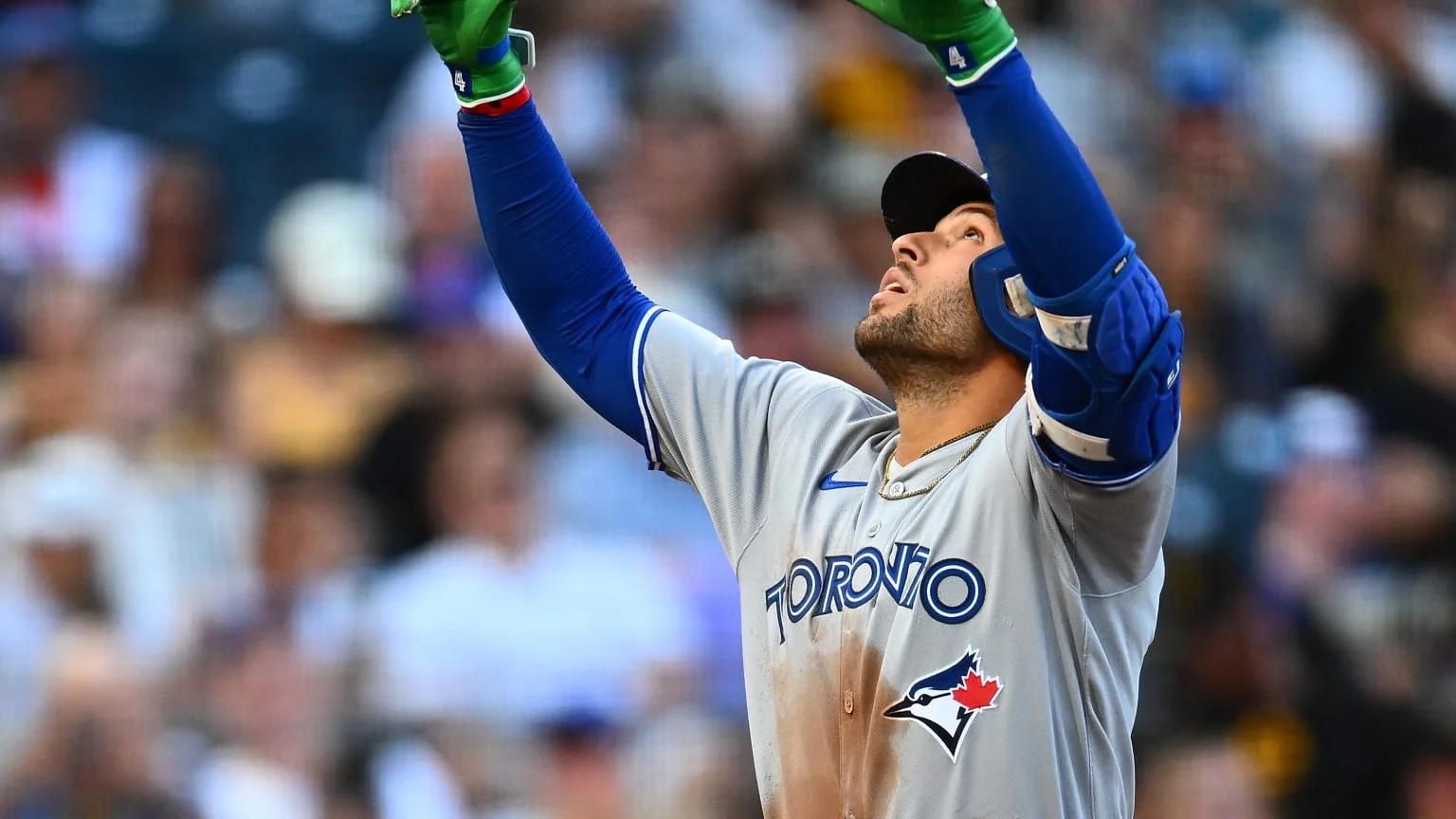
Despite this, last season marked a low point for Springer, when his performance at the top of the order dipped dramatically. He batted leadoff in 101 games but slashed only .214/.291/.349, managing 12 home runs alongside 41 walks and 85 strikeouts across 453 plate appearances. The decline led the Blue Jays to push him down in the order, but even then, he finished 2023 with a career-low 1.1 bWAR and an OPS+ of 91 over 145 games.
The impact of moving Springer away from leadoff and his strong start in 2024
Entering the 2024 season, Springer’s role as the Blue Jays’ leadoff hitter was uncertain, becoming a focal point during Spring Training as he struggled early on. His initial performance out of the leadoff spot was underwhelming, but shifting him into the middle of the lineup paid dividends. In March and April, Springer hit a robust .306/.406/.482, suggesting the adjustment unlocked his offensive potential.
Throughout much of the season, Springer has been central to the Blue Jays’ offensive output. In the 60 games in which Toronto secured victories, Springer contributed 17 of his 21 home runs and maintained a phenomenal 1.079 OPS. His hot streaks closely mirror the team‘s success, underscoring his value beyond just hitting leadoff.
Injury setback and recent return to the leadoff spot
Late July presented a scare when Springer suffered a head injury after being struck by a pitch during a game against Baltimore, momentarily laying on the field and raising concerns about his availability. Upon recovery, Toronto’s management reinstated him in the leadoff position. Since returning, Springer has thrived, hitting 6-for-15 with three home runs, five RBIs, and a .409 on-base percentage in five games batting first. This immediate rebound bodes well for both Springer and the Blue Jays as they contend through the summer.
Strategic considerations for Springer’s optimal lineup role
While Springer’s numbers since returning to leadoff are strong, questions remain about whether this is the best position to maximize his production. Some suggest that Springer might excel more by hitting lower in the lineup where he could drive in runners, as he has demonstrated his run-producing ability. However, Toronto currently lacks a clear leadoff hitter with ideal on-base skills.
Bo Bichette has shouldered some of the leadoff duties this season, performing solidly with 10 home runs and a .310 OBP in 82 games, but his 61 strikeouts raise concerns about his suitability for that role. Similarly, Nathan Luke has shown promise in limited appearances, posting a .315 OBP and four home runs in 24 games, though he has not faced left-handed pitching regularly.
This scenario opens the door for Springer to be used in a platoon at leadoff against left-handed pitchers. If he can thrive in that role, it makes sense to have him bat leadoff consistently, including versus right-handed arms. Placing Springer first in the order also places immediate pressure on opposing pitchers, given the productivity of the lower third of Toronto’s lineup. The 7-9 hitters are hitting a combined .260/.326/.372 with a .698 OPS, making the Blue Jays’ top and bottom of the order collectively challenging to pitch against.
Future outlook: Springer’s hold on the leadoff position and team dynamics
Ultimately, the question is not how long George Springer should remain the Blue Jays’ leadoff hitter, but rather who else on the roster will emerge as a legitimate alternative. As long as Springer remains healthy and maintains these performance levels, he should retain the leadoff spot for the rest of the season.
His ability to generate offense is critical to Toronto‘s lineup, especially given uncertainties around other candidates. The ongoing debate highlights the challenges the Blue Jays face in balancing lineup roles to optimize run production while managing player strengths and health. With Springer excelling after his injury and delivering power and consistency, Toronto’s coaching staff will likely rely on him to set the tone at the top of the order moving forward.