
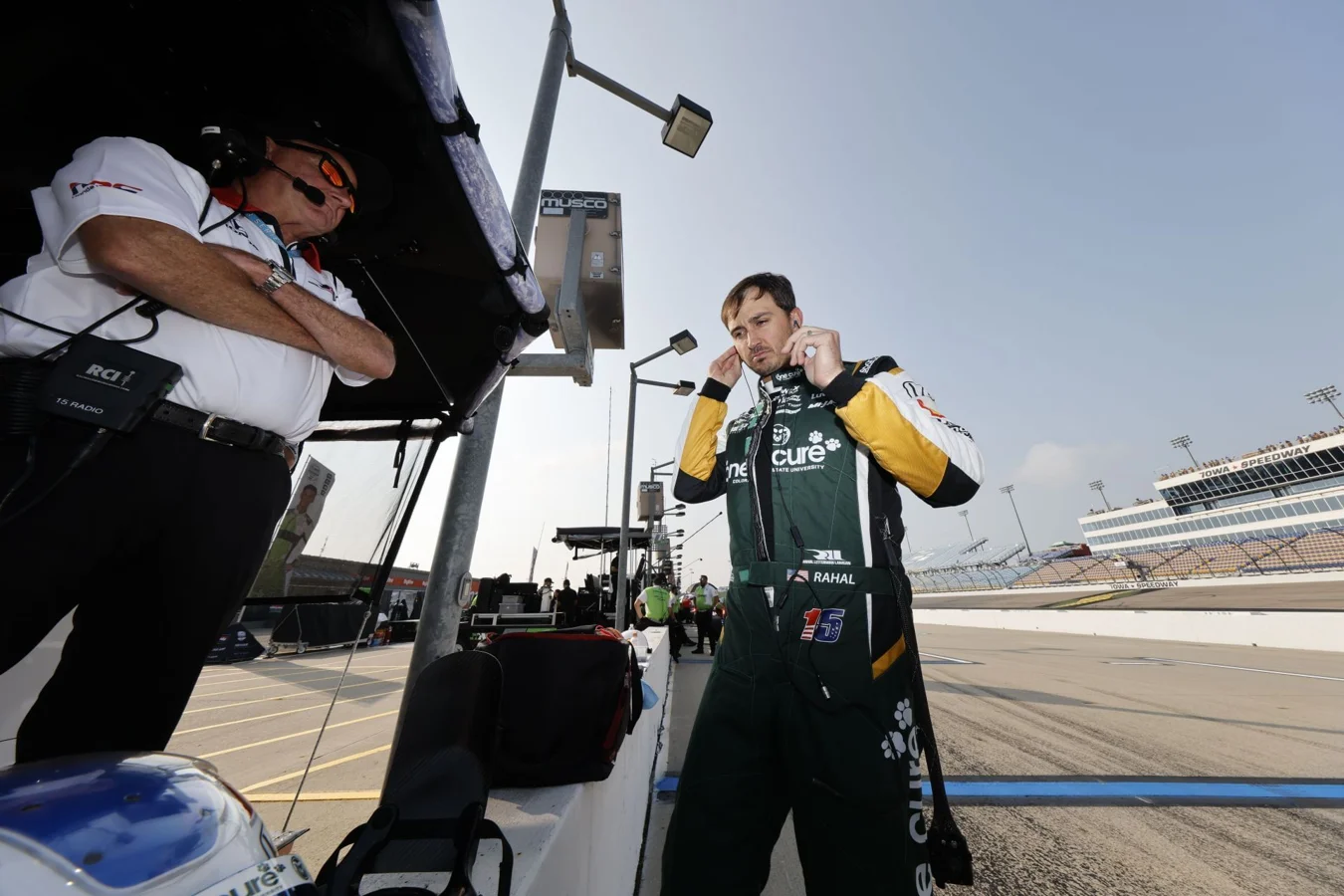

Graham Rahal has openly criticized the marketing efforts surrounding IndyCar, particularly highlighting shortcomings since billionaire Roger Penske acquired the series and the Indianapolis Motor Speedway in late 2019. Despite Penske’s ownership bringing needed stability, Rahal argues that promotional strategies have been insufficient and ineffective in expanding the sport’s reach.
Rahal’s comments came during a recent appearance on the Speed Street podcast hosted by fellow driver Conor Daly. He stated that while he supports Penske Entertainment‘s stabilizing influence, there is widespread dissatisfaction with how IndyCar‘s marketing has been handled.
“I’m all for Roger, I’m all for Penske Entertainment. I think they brought a level of stability to the sport. But I’ll just flat-out say it. I’m not all for their marketing tactics. I don’t think anybody is. Maybe I say it and others won’t, but I don’t think anybody is for their marketing tactics.”
—Graham Rahal, IndyCar Driver
One notable example Rahal pointed to was the poor promotion of the Iowa doubleheader held in July. The Iowa Speedway’s official social media accounts focused heavily on NASCAR events instead of the IndyCar races. Additionally, billboards or other physical marketing for the IndyCar race in Iowa were almost nonexistent, reflecting a missed chance to generate local and national interest.
Conor Daly agreed with Rahal’s critique, emphasizing a need for change in how the sport is presented to fans. Rahal also acknowledged FOX’s recent acquisition of a one-third stake in IndyCar and hopes that their involvement will energize the series‘ promotional efforts and provide new momentum.
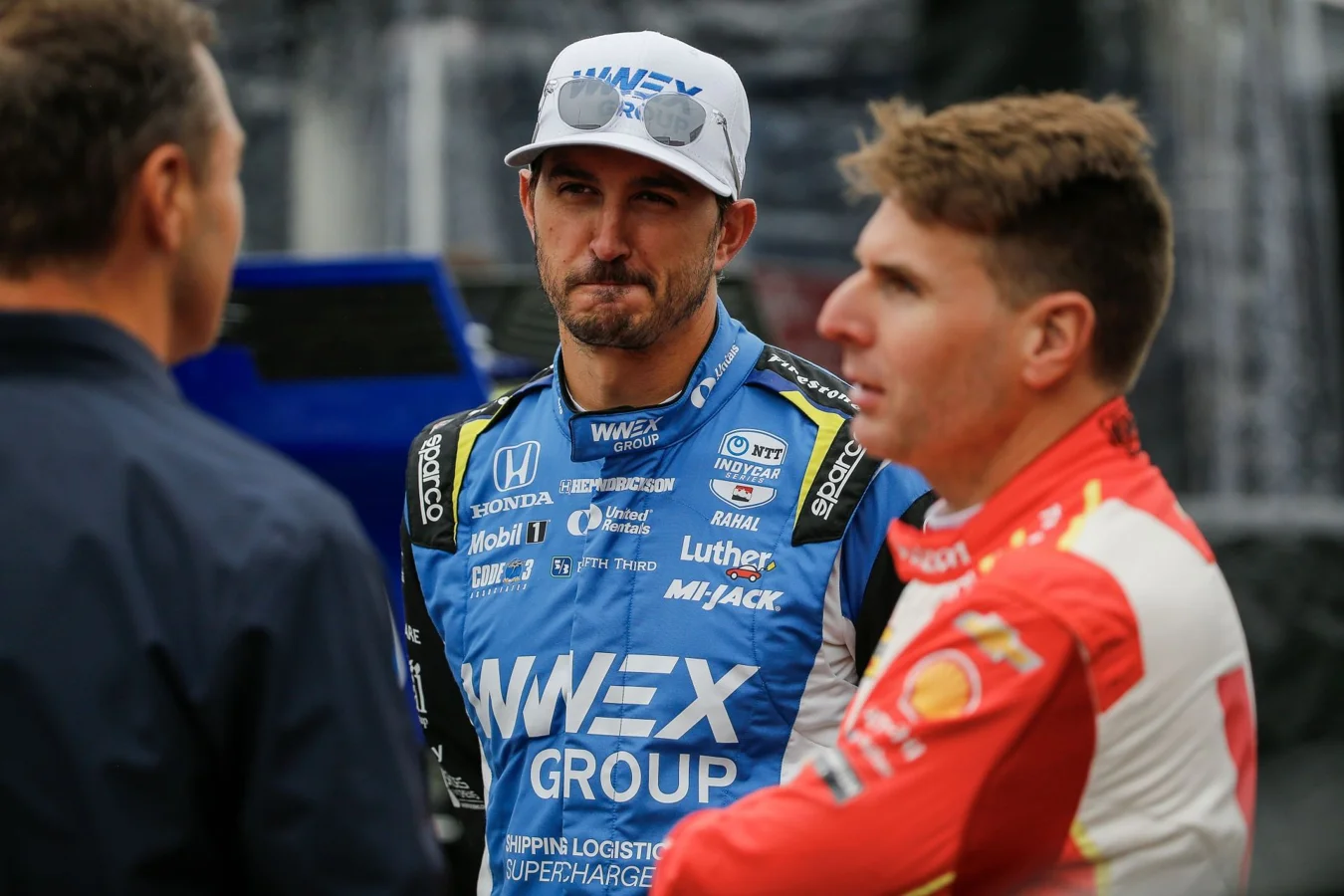
“Something needs a little kick in the ass here, and that’s what I think we’re going to get,”
—Graham Rahal, IndyCar Driver
Rahal Highlights the Need for Broader Driver Promotion Beyond a Select Few
Since FOX began marketing IndyCar in 2025, the focus has largely centered on three drivers: reigning champion Alex Palou, two-time Indianapolis 500 winner Josef Newgarden, and the widely popular Pato O’Ward. Rahal believes concentrating promotion on just these few athletes was a strategic mistake that could limit the sport’s growth potential.
He explained on the podcast that relying too heavily on Pato O’Ward and Josef Newgarden leaves the series vulnerable, especially if one driver experiences a downturn in performance or fan engagement. Rahal advocates for a more diversified marketing approach that highlights more competitors within the field.
“You can’t put your eggs in two baskets. I mean, Pato… star. Pato connects with fans on a level no other driver does. Pato’s the man. He’s huge. But I think what they’ve learned this year with Josef is like you can’t put all your eggs into that basket because you may have a guy that has a bad year.”
—Graham Rahal, IndyCar Driver
“Not saying he’s irrelevant because Josef Newgarden is never going to be irrelevant. But they need to diversify against 10 guys, 12 guys. They need to build more names. They need to have more ads. I think that’s the biggest thing that maybe FOX needs to learn.”
—Graham Rahal, IndyCar Driver
With nearly two decades competing in IndyCar, Rahal brings a wealth of experience and business insight to his critique. Beyond racing, he owns a successful performance shop called Graham Rahal Performance and is involved in his family’s Honda dealership operations. This background informs his understanding of marketing and brand growth in competitive environments.
Rahal’s Season and Outlook Amid IndyCar’s Marketing Challenges
On the track, Rahal’s 2025 campaign has been mixed. He has demonstrated impressive qualifying speed, often advancing to the Fast 6 shootout during race weekends. However, sustaining race pace remains an ongoing challenge for his team, Rahal Letterman Lanigan Racing.
The marketing issues Rahal highlights coincide with the sport’s larger struggle to capture broader audience attention. Effective promotion could be critical in elevating the profile of both established stars and emerging drivers, potentially increasing fan engagement and series growth.
As FOX deepens its involvement following the recent equity purchase, expectations are high for a more dynamic marketing strategy that extends beyond the current narrow spotlight. Rahal’s calls for diversity in promotion underscore the need for a long-term plan that cultivates multiple fan favorites and maximizes the appeal of the entire field.