
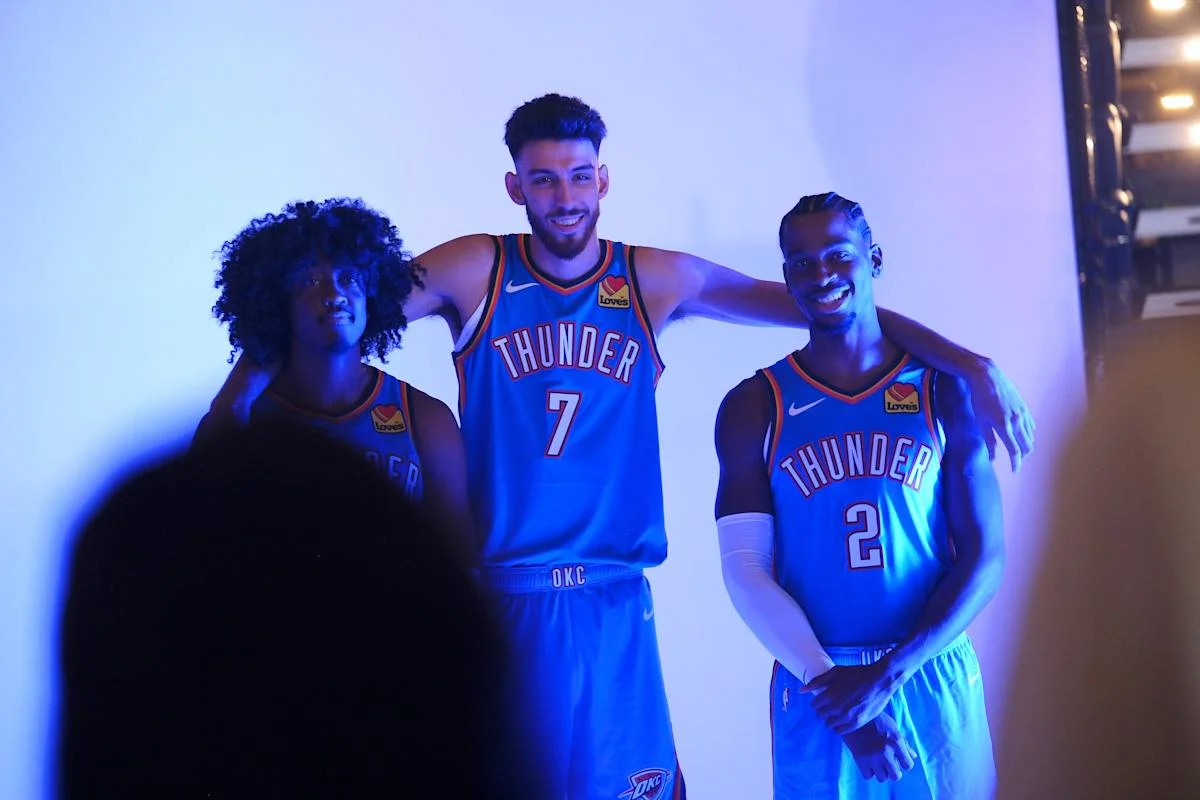

The Oklahoma City Thunder stand out as one of the <a href=”https://www.buzzineintl.com/category/basketball/nba/”>NBA’s best examples of a successful rebuild, anchored by Shai Gilgeous-Alexander, a legitimate MVP contender, and supported by a deep pool of young, adaptable talent alongside unmatched draft assets. This combination has produced a team focused not just on winning today but on maintaining flexibility for the future while cultivating a resilient team culture. However, the challenge now lies in whether this culture can endure as individual ambitions among the rising stars begin to grow.
Balancing Team Unity with Growing Individual Goals
The Thunder’s strength has long been their cohesion, sharing a commitment to playing hard, staying united, and minimizing distractions. Yet, as players mature, the simplicity of “just hooping” may lose its appeal. Wosny Lambre highlighted on The Ringer NBA Show that professional athletes naturally evolve, explaining,
“Living in OKC and eating at Cracker Barrel every other day with your family is cute now, but there’s going to come a time some of them might get tired of it.”
This perspective points to a natural tension between loyalty to the team environment and personal aspirations that can emerge over time.
Kevin O’Connor, participating in the same discussion, noted that the Thunder’s core still exhibits remarkable closeness, often traveling together and celebrating one another’s milestones like weddings. This emotional bond is rare and widely admired. Despite this positive present reality, the fluid nature of NBA careers means relationships can change significantly when players rise into starring roles with increased expectations.

Emerging Stars and the Challenge of Shared Spotlight
The Thunder face critical questions about how ambitions will align with the current team framework. Jalen Williams, whose performance suggests All-Star potential, and Chet Holmgren, already a defensive stalwart with growing offensive skills, entered the Oklahoma City system built around Shai’s leadership and clear role as the offensive hub. Both young players have so far embraced this structure, but it remains uncertain how long they will be content without greater opportunities to shape the team’s direction.
This challenge is less about salary caps or contracts and more about maintaining team chemistry. The Thunder front office has the financial tools to retain talent, but the bigger hurdle involves ensuring each player feels valued and not constrained by the system that has propelled their success. As ESPN’s Zach Lowe observed, the offense functions smoothly because players accept Shai as the central figure, yet this acceptance could wane if personal ambitions outpace the chances provided.
Leadership and Evolving Roles as Keys to Sustaining Culture
Currently, Oklahoma City‘s on-court and locker room environment appears stable. Holmgren consistently reinforces the idea of gradual growth, describing the team’s progress as building “brick by brick.” Williams has taken on the role of a versatile contributor, ready to support both offense and defense wherever needed. Shai Gilgeous-Alexander himself is embracing leadership responsibilities that teammates clearly respect and rally around. However, maintaining this delicate equilibrium through multiple seasons presents a more daunting challenge than any opponent on the hardwood.
General manager Sam Presti is aware of the potential challenges ahead and has stressed the importance of cultivating meaningful roles that align with the ambitions of all roster members. If head coach Mark Daigneault and the front office can continue to expand individual responsibilities and opportunities, this group has the potential to transform a promising phase into an enduring dynasty. Failure to address these evolving dynamics could lead to fractures that won’t appear on financial reports but will emerge in team chemistry and locker room atmosphere.