
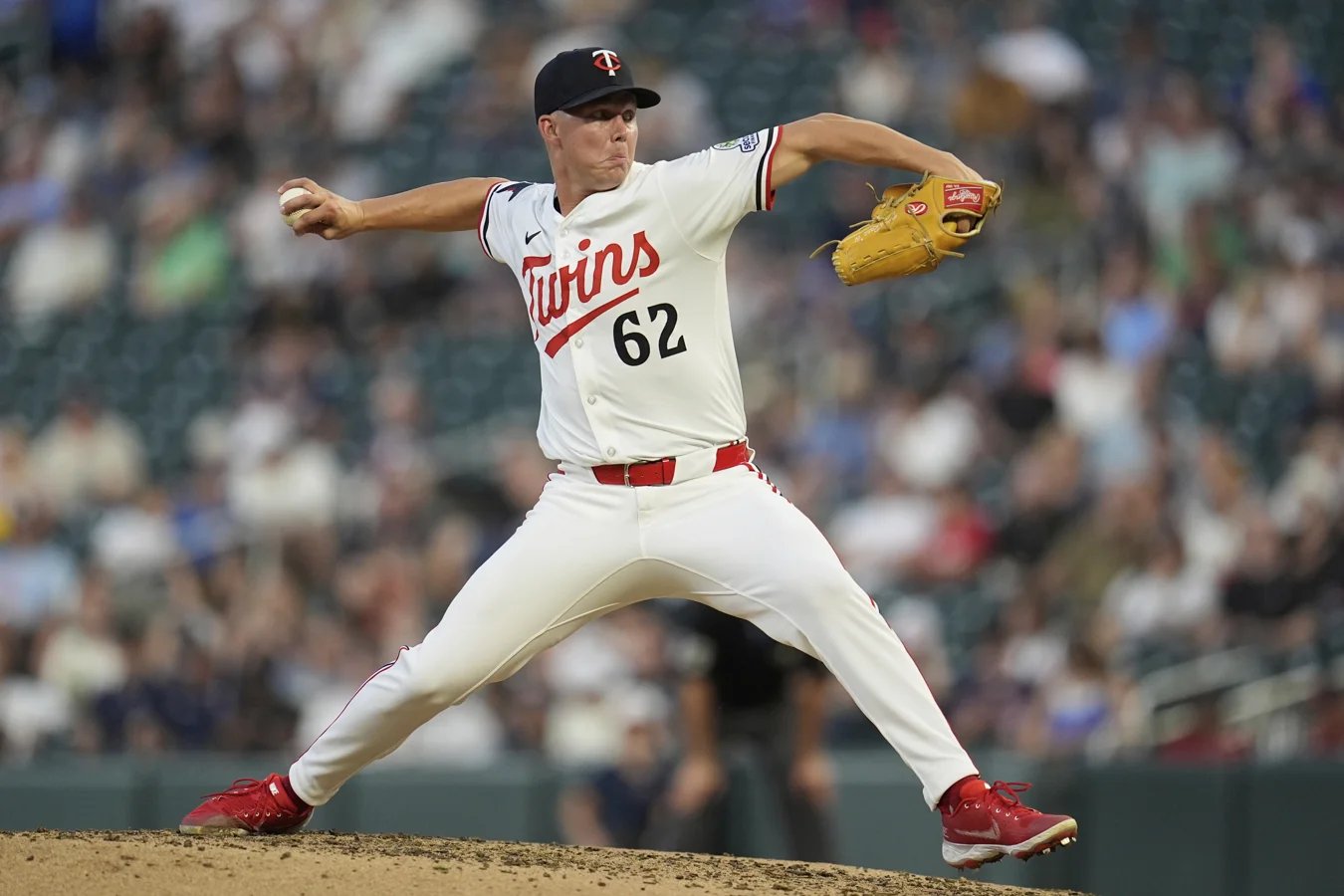

The Houston Astros made a surprising move at last year’s trade deadline by bringing back Carlos Correa from the Minnesota Twins. This return was unexpected as Correa had expressed satisfaction playing in Minnesota and was hesitant to waive his no-trade clause. However, Houston, the team that drafted him first overall in 2012, successfully completed the trade to strengthen their roster.
Correa’s return to Houston marks a reunion with the franchise where he earned accolades such as 2015 AL Rookie of the Year, two All-Star selections, and a World Series championship. The Twins had decided to step back from contention, while Correa saw an opportunity to rejoin a playoff-caliber club. His willingness to waive his no-trade clause was influenced by more than just nostalgia.
The Motivation Behind Correa’s Move to Third Base
Carlos Correa’s switch from shortstop to third base revealed one of the key reasons he accepted the trade back to Houston. Initially, some questioned whether Correa would maintain a long-term presence at third base, especially as the change was prompted by Isaac Paredes’ hamstring injury. However, reports from The Athletic’s Chandler Rome clarified that Correa had been eager to transition to the hot corner for some time.
“Correa has been clamoring to play third base for the past two seasons. Since the Astros made it possible, Correa has described how much fresher he feels after games, crediting the decrease in movement and activity at third base. He even played three consecutive games on artificial turf at loanDepot Park — something Correa said he could not do across the past three seasons at shortstop,”
Rome detailed.
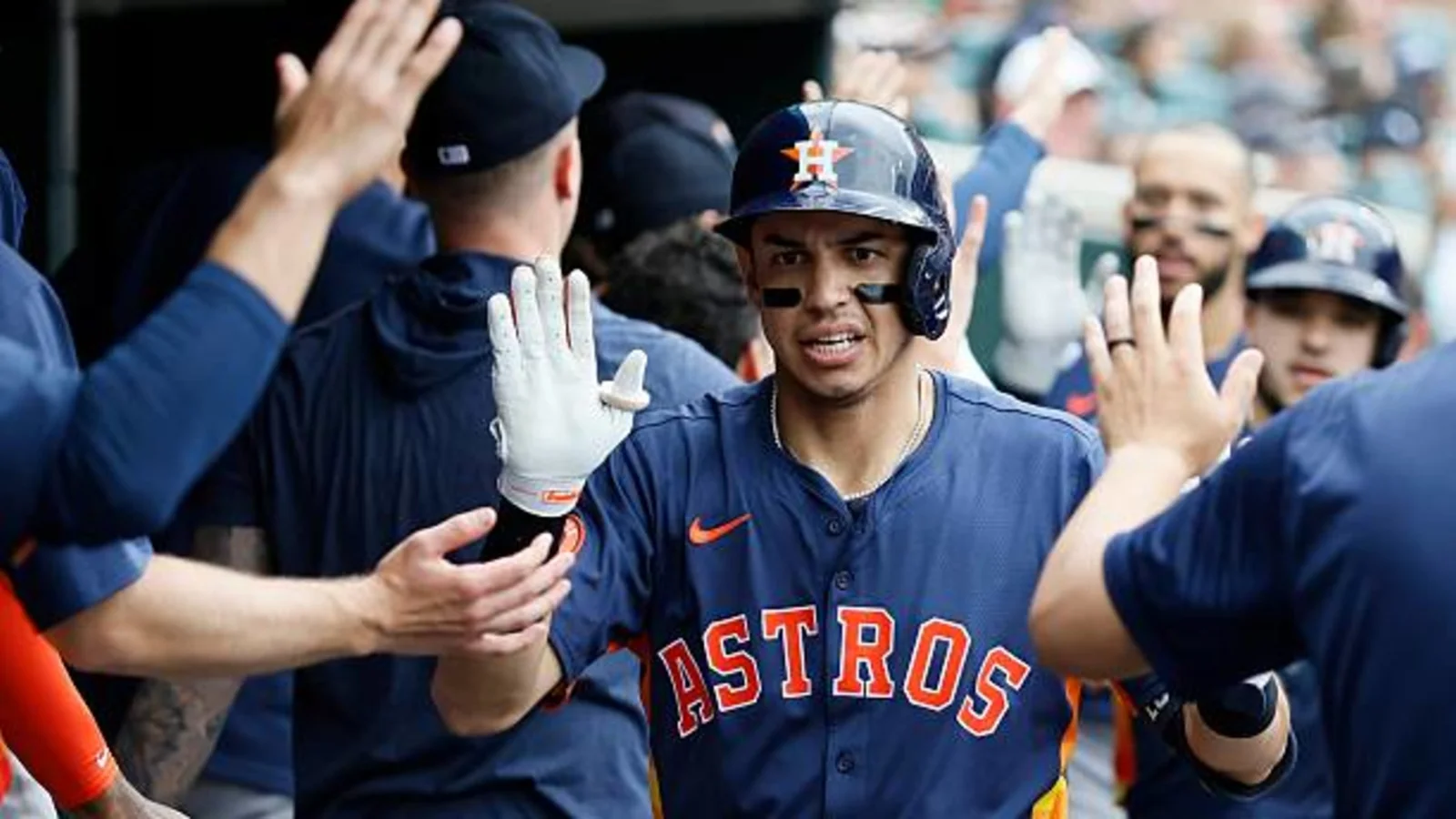
The reduced physical demand at third base appears to help Correa preserve his energy throughout games, potentially benefiting both his health and his on-field performance.
Correa’s Impact on Houston’s Lineup Moving Forward
This position change carries implications not only for Correa’s well-being but also for the Astros’ competitiveness as they pursue postseason success. If playing third base enables Correa to stay healthier, Houston gains a significant asset for the remainder of this season and potentially beyond, considering Correa’s multi-year contract with vesting options.
Before returning to Houston, Correa showed signs of decline in Minnesota, batting .267 with seven home runs and 31 RBIs over 93 games, posting an OPS+ below the league average. Since his return, he has notably improved his numbers, hitting .338 with two home runs and 10 RBIs across 17 games, boosting his OPS+ to 136.
If Correa can sustain this level of production, it will bolster the Astros’ lineup, especially as Jeremy Pena works to regain his pre-injury form and Yordan Alvarez aims to return before the regular season concludes. This renewed offensive punch and defensive adaptability could be pivotal for Houston’s postseason ambitions.
Looking Ahead for the Astros and Correa
The Astros’ decision to reposition Correa reflects a broader strategy to maximize their veteran infielder’s contributions while managing his physical health. Correa’s expressed enthusiasm for playing third base signals a fresh chapter in his career, potentially extending his prime years. For Houston, this move may add depth and reliability to their infield, helping sustain their status as a top contender.
As the season progresses, monitoring Correa’s adaptation to third base and overall impact on the club will be critical. His successful reintegration could influence future roster decisions and provide a blueprint for managing players’ transitions as they age or recover from injuries.