


The Phoenix Suns made a quiet yet notable addition this past offseason by signing point guard Jared Butler, a player known for his scoring ability. Since being selected in the second round of the 2021 <a href=”https://www.buzzineintl.com/category/basketball/nba/”>NBA draft, the 24-year-old Butler has consistently improved his offensive output. His experience includes winning a national championship, which has shaped his competitive edge across several teams.
Butler’s journey in the NBA has included stints with the Utah Jazz, Oklahoma City Thunder, Washington Wizards, and Philadelphia 76ers. In the previous season, he started 16 of the 76ers’ final 19 games, posting averages of 13.3 points, 5.5 assists, and 2.5 rebounds per game while shooting 36.9% from beyond the arc. The Suns signed him on an Exhibit 9 contract, which does not guarantee a roster spot, but Butler’s presence targets a persistent problem for Phoenix—their bench scoring and ball-handling deficiencies.
Filling the Suns’ Need for a Reliable Bench Ball Handler
The Suns’ bench has long struggled with a lack of consistent ball handlers heading into the 2025-26 season. While guards like Grayson Allen and Royce O’Neale contribute as strong off-ball shooters, the team misses a dependable floor general on the second unit. Collin Gillespie, another point guard, has limited experience as a regular rotation player, having received his first real chance only in the past season.
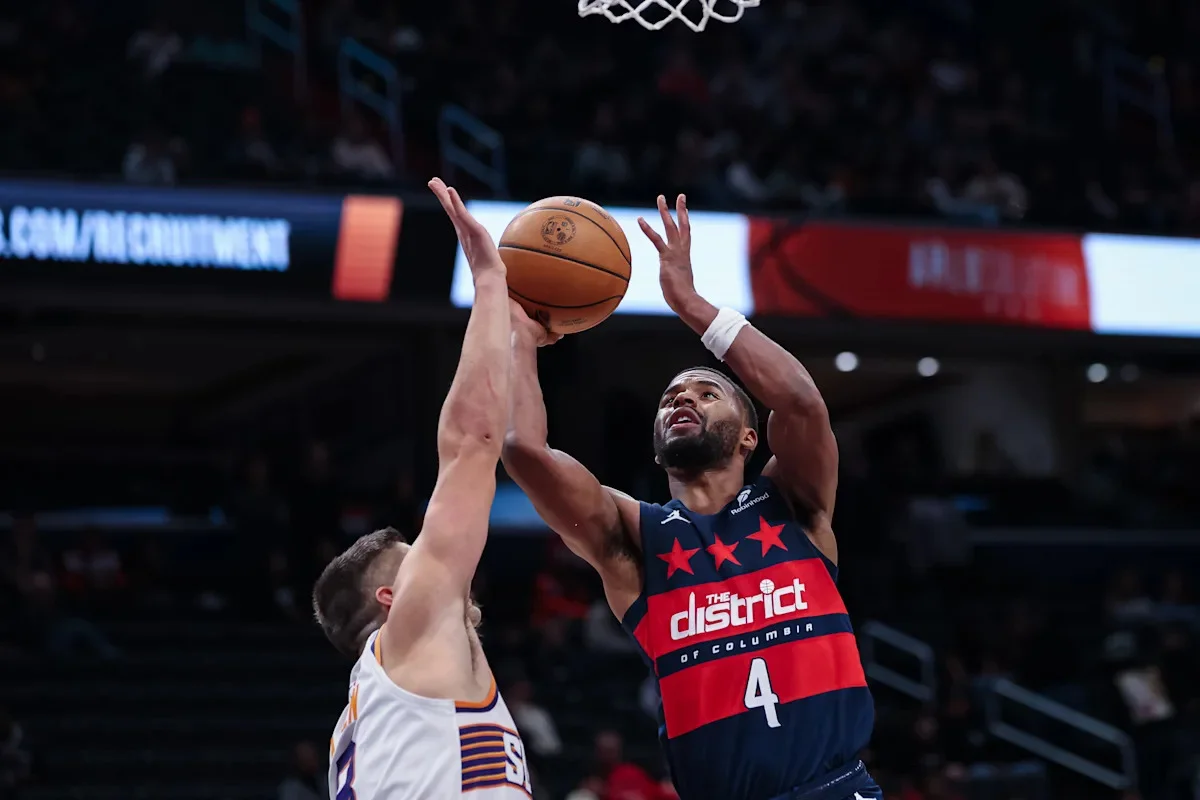
Much of the Phoenix bench is composed of rookies or players whose strengths lie away from handling the ball, placing extra pressure on star guards Devin Booker and Jalen Green to facilitate offense rather than focus purely on scoring. Butler’s ability to bring the ball up the court and create plays would relieve that burden, allowing the Suns’ scorers to operate with more freedom.
Advantages Butler Brings to Phoenix’s Second Unit
Jared Butler’s comfort and confidence with the basketball distinguish him among the Suns’ bench options. His vision enables him to find open teammates without tunnel vision, and his quickness and skill at finishing plays near the basket create matchup problems for opponents. This offensive versatility marks him as the most capable ball handler and scorer available for Phoenix outside their starters.
While Butler stands at 6’1” and is considered undersized for his position, Phoenix’s defensive schemes can compensate for this limitation. Players such as Jordan Ott can provide support by hiding Butler in the corner on defense, and the Suns have strong rim-protecting big men ready to offer help if Butler faces tough one-on-one defensive pressure.
What Butler’s Addition Could Mean for the Suns Moving Forward
If Butler secures a roster spot, his offensive skill set and ability to orchestrate the bench offense could be pivotal for the Suns in 2025-26. His signing may appear subtle now but could be recognized as a critical offseason move in hindsight, addressing a bench weakness that has hindered Phoenix in recent campaigns. By providing reliable scoring and facilitating from the guard position, Jared Butler may finally solve the Suns’ ongoing bench scoring woes.