
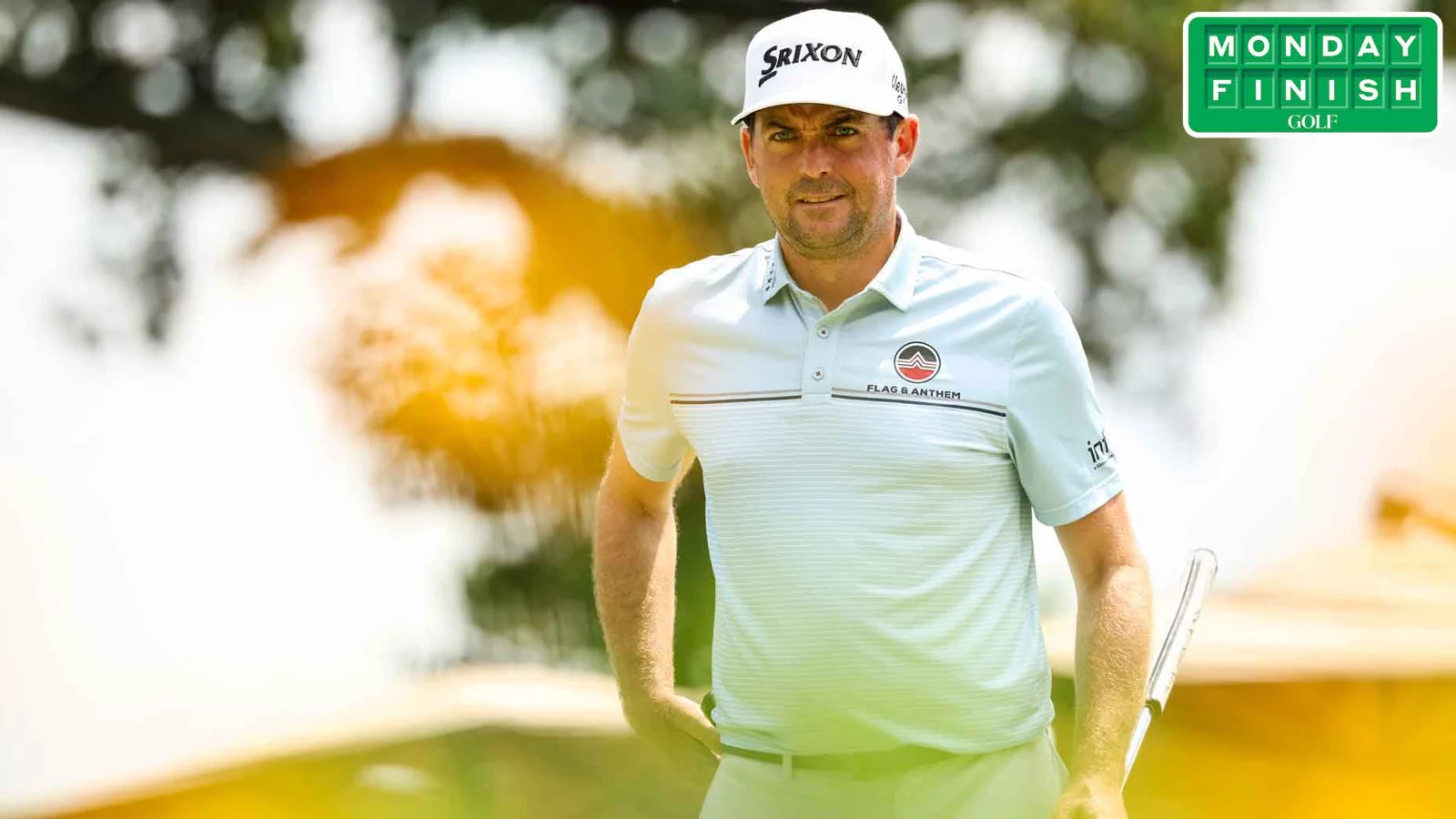

Keegan Bradley faces a challenging decision about whether to serve as a playing captain at the upcoming Ryder Cup, a role rarely attempted in recent decades. This Keegan Bradley Ryder Cup dilemma has drawn warnings from former European captains who believe balancing playing and leading the team at Bethpage Black would be a significant error.
Despite missing automatic qualification for the United States team during the qualifying rounds at Bethpage Black, Bradley’s strong performance throughout the season has made many feel he deserves a spot in the final squad of twelve. The dilemma is heightened by the expanding responsibilities of a Ryder Cup captain, a role that last included an active player when Arnold Palmer served in 1963. Modern players such as Rory McIlroy have expressed doubt that anyone can effectively act as both captain and player in today’s intense Ryder Cup environment.
Warnings from Experienced Ryder Cup Captains
Sam Torrance, who led Europe to victory as captain in 2002, has expressed a firm opinion that Bradley cannot manage both roles simultaneously. On the Sky Sports Golf podcast, Torrance stated,
“It would be the worst decision a captain has ever made if he was a playing captain.”
He emphasized the extensive duties of a captain, including selecting pairings for the first two days and communicating with the team—a responsibility someone playing alongside must struggle to maintain.
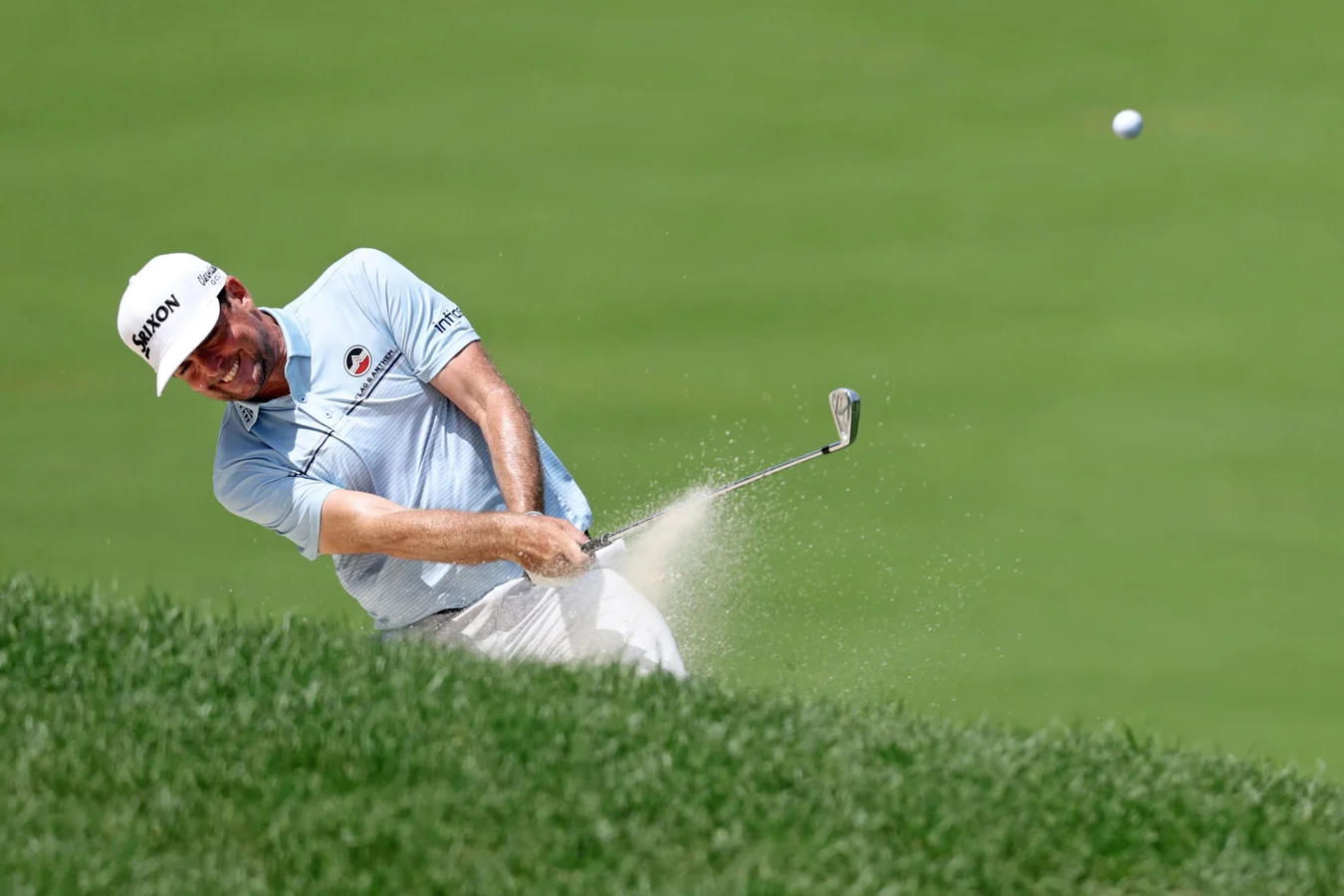
Torrance also pointed out that given Bradley‘s form this season, the appropriate choice would be for him to play, while the captaincy should be handed to one of his assistants, such as Jim Furyk.
“It’s a very difficult scenario. The proper thing to do is play and give the right of captaincy to Furyk or someone else,”
Torrance said.
Different Views on Playing or Leading
David Howell, a two-time Ryder Cup winner, shares reservations about Bradley combining the roles but diverges in his view on what Bradley should ultimately decide. Howell believes the value of the captaincy role outweighs playing and would prefer Bradley to embrace the leadership honor alone rather than risk both roles.
He explained,
“If I, as Keegan Bradley, had a guarantee that if he gives up the captaincy he’ll get it again in the future then, sure, go ahead and play,”
noting uncertainty about such assurances. Howell observed,
“I’m not so sure they’re that likely to do that. In which case, this might be his only chance of captaincy.”
He acknowledged that the experience of captaining is considerably rarer and arguably more prestigious than participating as a player, especially since Bradley has played in the Ryder Cup twice already.
Nick Faldo Supports Bradley Stepping Down as Captain
Contrasting Howell’s stance, Sir Nick Faldo agrees with Torrance’s perspective that Bradley should relinquish the captaincy to focus on playing. Speaking on the same podcast, Faldo warned of the potential backlash and regret Bradley might face if he tries to do both.
“If he plays, then the fans will say ‘you’re being selfish’, and then the media will say you’ve lost because you haven’t done your duties, then you live in regret for the rest of your life,”
Faldo said. He described the situation as a shame because making the team is difficult and Bradley should seize the opportunity to play.
Faldo added,
“He loves to play and – as a player – you want to play,”
underscoring the internal conflict Bradley faces between his passion as a golfer and the leadership role.
Implications of the Decision and What’s Next
Keegan Bradley is expected to announce his six captain’s picks by Wednesday, August 27, a deadline that promises to bring clarity after a likely tumultuous decision-making process. The choice carries profound weight, as it may affect team dynamics and the overall chances of the United States on one of golf’s most prominent stages. For Team USA, the optimal solution appears to be separating the roles to avoid the complex demands of captaincy interfering with performance on the course.
With input from respected figures such as Sam Torrance, David Howell, and Nick Faldo, Bradley’s decision will be closely scrutinized by fans, analysts, and players alike, with concerns that the Ryder Cup’s modern intensity makes the playing captain model unfeasible. Moreover, with Jim Furyk positioned as a leading assistant, the option to delegate leadership and allow Bradley to concentrate fully on playing presents a compelling case for both legacy and team success.