
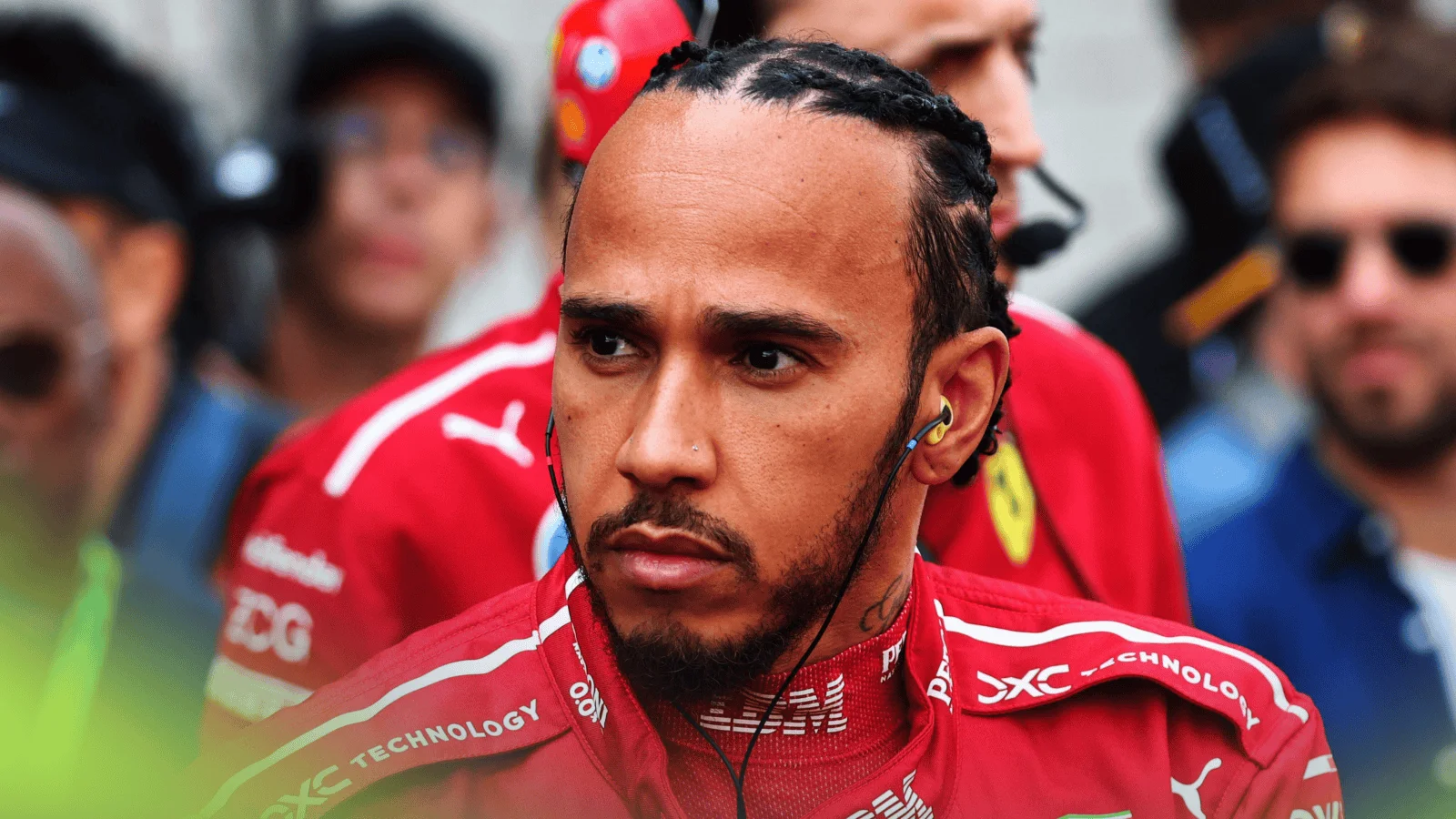

Since joining Scuderia Ferrari in 2025, Lewis Hamilton has faced significant challenges adapting to his new team, with tensions reportedly arising between him and the engineering staff. This Lewis Hamilton Ferrari engineering clash appears to be a major factor behind his underwhelming performance this season, despite his proven driving skills.
While Hamilton managed a victory and a podium in sprint races during the F1 2025 season, his results have otherwise lagged behind those of his Ferrari teammate Charles Leclerc, who has earned five podium finishes in full Grand Prix events. The contrasting outcomes prompted questions about whether Hamilton is struggling with the car or if deeper issues exist within Ferrari’s approach to the driver’s needs.
Montoya Highlights Engineering Differences Affecting Hamilton’s Performance
Juan Pablo Montoya, former Formula 1 racer turned commentator, pointed to a disconnect between Hamilton’s driving style and the Ferrari engineers’ instructions as central to the difficulties faced by the British driver. Speaking on the MontoyoAS show on AS Colombia, Montoya suggested that patience is required from both sides to reconcile these challenges. He explained that Hamilton’s long-established driving techniques clash with the engineers’ insistence on adapting the SF-25 car for a different style.
If you look at Carlos’s first year at Ferrari, it wasn’t good,
Montoya said, referring to Carlos Sainz Jr.’s initial struggles before stabilizing his performance. —Juan Pablo Montoya, former F1 driver and pundit
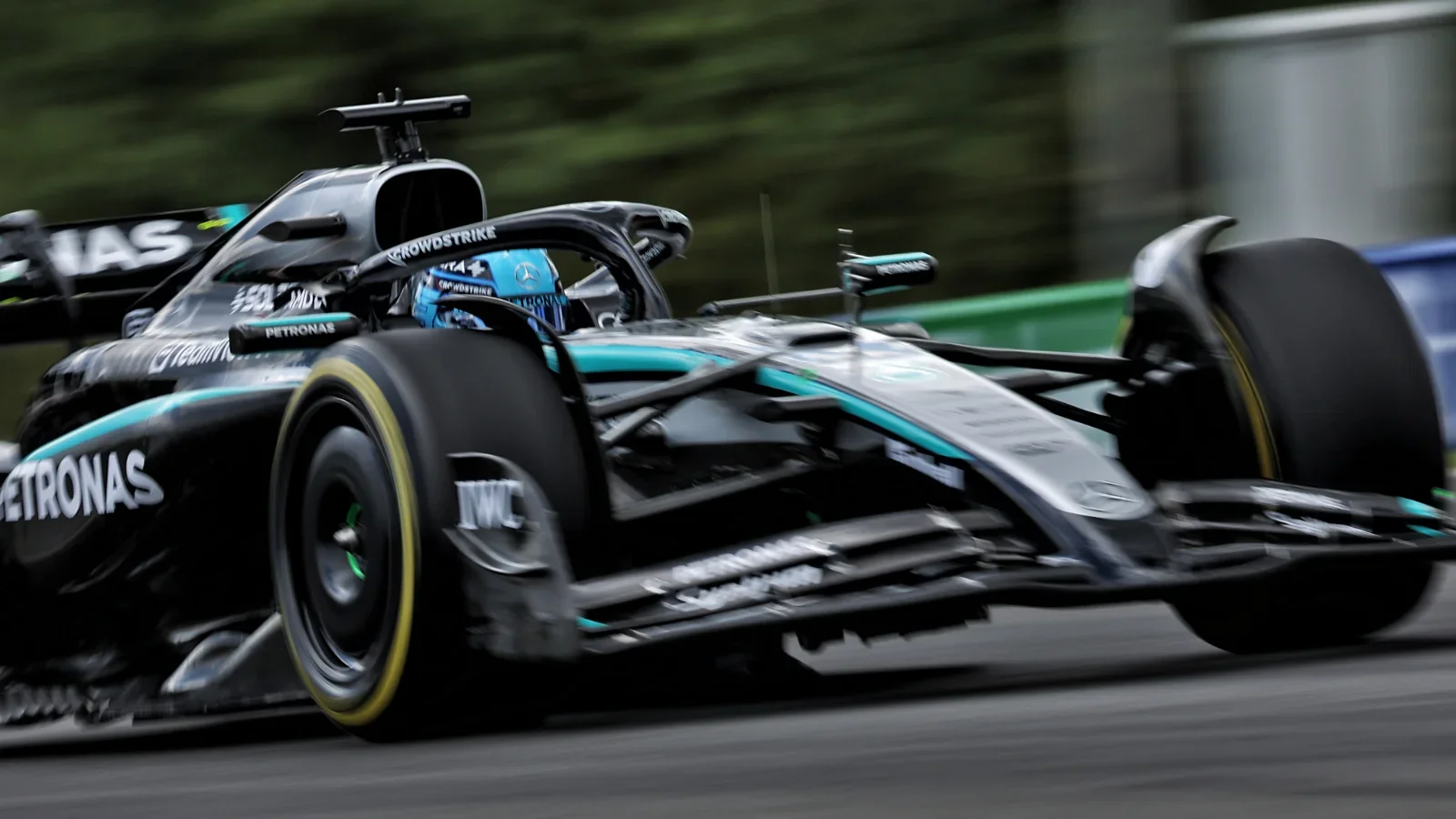
Montoya emphasized that the Ferrari team’s choice to bring Hamilton in this season came at a complex time, noting that had Ferrari waited, Sainz’s improving results might have changed their recruitment strategy. He added,
So you need patience. It’s not easy.
—Juan Pablo Montoya, former F1 driver and pundit
The challenge, Montoya noted, is that Hamilton is accustomed to driving cars in a specific way that has worked for him reliably over many years. In contrast, Ferrari’s engineers are pushing for different techniques due to the SF-25’s unique handling quirks.
Hamilton has been driving a certain way for many years, and it works,
Montoya said.
But that car isn’t exactly good either.
—Juan Pablo Montoya, former F1 driver and pundit
Technical Issues with the SF-25 Exacerbate Driver Struggles
The SF-25 model introduced for the 2025 season has suffered from notable performance problems, primarily related to its suspension system. After Ferrari was disqualified in the Chinese Grand Prix for excessive plank wear, they raised the car’s ride height as a corrective measure. However, this change made the SF-25 more unstable and harder to control, contributing to inconsistent performances from both Ferrari drivers.
While Leclerc’s stronger familiarity with Ferrari’s operations may have helped him adapt better to these car issues, Hamilton is still adjusting to the team’s dynamic and the SF-25’s demands. Montoya’s analysis implies that Hamilton’s lagging results are not simply about his driving ability but also stem from the ongoing friction between his style and Ferrari’s engineering philosophy.
Looking Forward: What the Future Holds for Hamilton and Ferrari
As the 2025 season progresses, Lewis Hamilton is expected to hope for rule changes set for F1 2026 that could disrupt the current competitive balance and offer fresh opportunities to improve Ferrari’s performance. Those changes might help level the playing field, allowing Hamilton to regain his competitive edge in a new technical environment.
The current engineering clash highlights the broader difficulties of integrating a high-profile driver into an established team with specific technical approaches, underscoring the importance of mutual adaptation. How Ferrari and Hamilton address these internal challenges will be critical not only for the remainder of this season but also for their longer-term success together in Formula 1.