
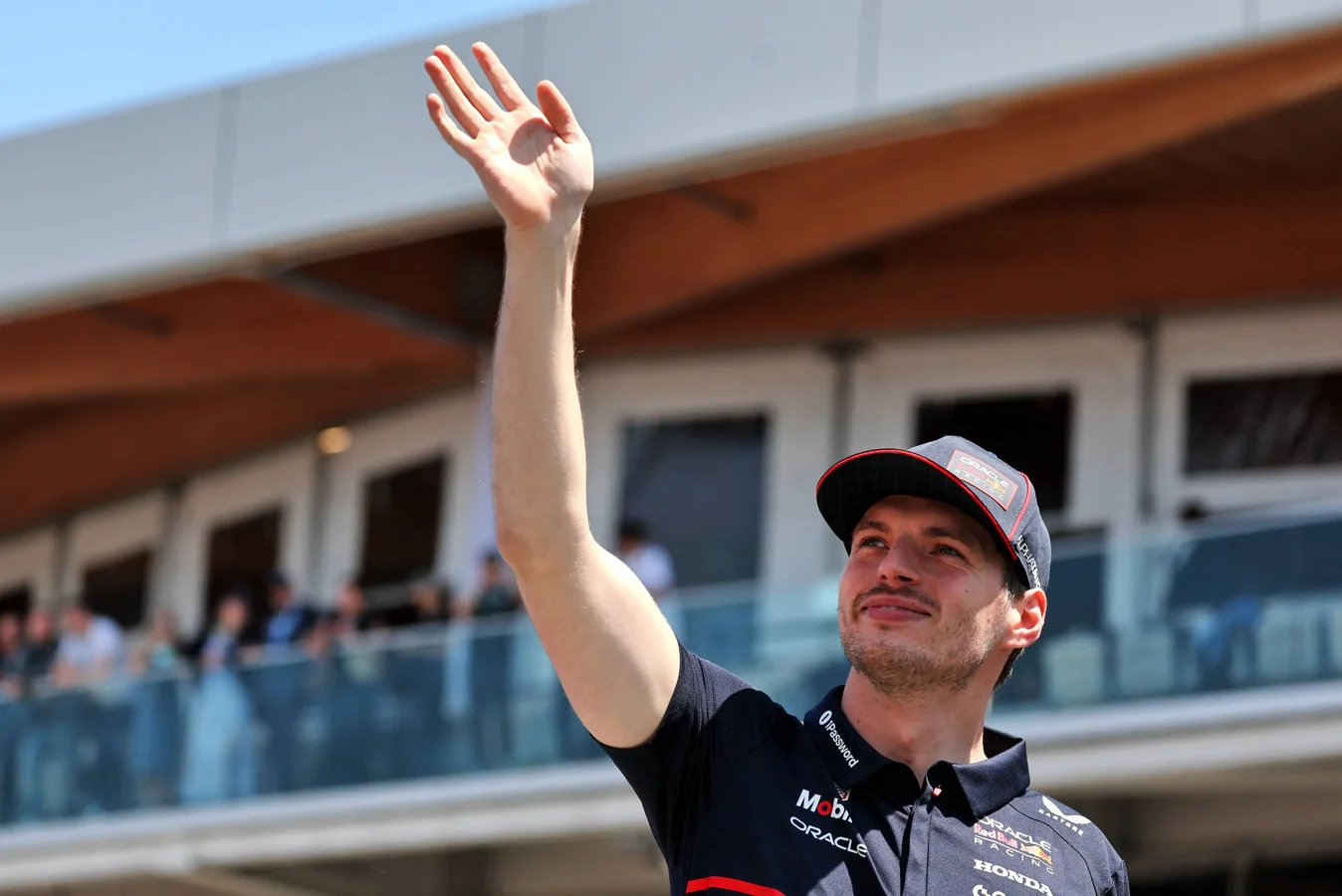

Max Verstappen has been widely recognized as one of the leading figures in modern Formula 1, delivering an impressive record that includes multiple world championships. However, former world champion Jacques Villeneuve challenges the notion that Verstappen ranks alongside the sport’s all-time greats from Ayrton Senna’s era. Villeneuve suggests that while Verstappen is a “pure racer,” he does not match the level of competition or driver skill seen in previous generations.
Evolving Standards and Driver Skill in Formula 1
When discussing the greatest drivers in Formula 1 history, names like Juan Manuel Fangio, Jim Clark, Ayrton Senna, and Michael Schumacher often come up as icons who defined their periods. Verstappen’s rise from a teenage debut to securing four successive titles has secured his place in the sport’s history. Yet Villeneuve raises concerns about modern drivers’ comparative abilities due to changes in the sport itself.
In an interview with RacingNews365, Villeneuve explained how the era’s cars and competition levels affect driver performance assessments. He remarked that nowadays, the gap between an average driver and the leader is much smaller.
“Right now, an average driver can look acceptable,”
he said, noting that
“if you look at the past, an average driver would be two seconds off the pace, the way the cars were.”
Villeneuve added,
“Now, an average driver will be half a second [behind]. Okay, that’s acceptable — but you meant less difference.”
He attributed this shift largely to the type of cars in use today. “They’re very stable cars,” Villeneuve said, along with explaining that drivers slow the race pace to conserve tires and manage the car’s performance during the race.
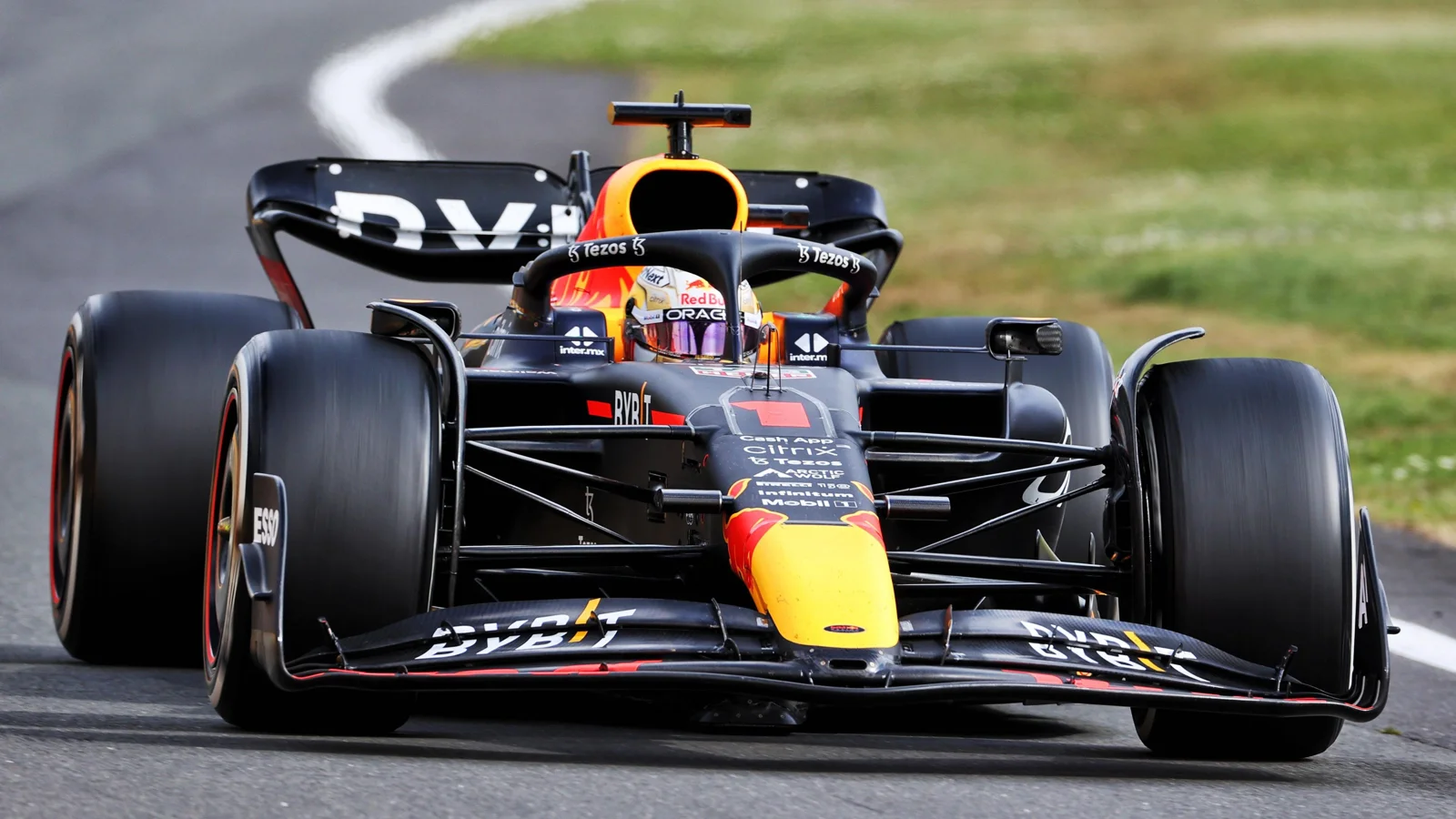
“So it’s just a different F1 driver, different kind of cars.”
The Changing Competitive Landscape Compared to Senna’s Era
Villeneuve argues that these developments have influenced the overall quality of the field. Reflecting on the competition during Ayrton Senna and Alain Prost’s time, Villeneuve noted,
“If you look at the past, in Ayrton Senna and [Alain] Prost’s era, you had five drivers like Max [Verstappen] every year.”
Today, he asserts, Verstappen stands somewhat alone among a field of generally good drivers but fewer exceptionally elite rivals.
“Now there’s a lot of good drivers, where before there were a few extremely good drivers and a bunch of good drivers. So, I think the whole scheme has changed.”
Villeneuve’s View on Verstappen’s Dominance
Turning specifically to Verstappen’s talent, Villeneuve did not dismiss his capabilities but framed him as exceptional largely because the modern field lacks his level of skill depth.
“Max is not better than the very good ones of the past,”
Villeneuve stated, adding that Verstappen
“is a pure racer, and there’s not many of them anymore.”
This perspective implies that Verstappen’s recent success is as much a reflection of reduced rivalry as his natural talent.
This assessment challenges common views about champion comparisons across different Formula 1 eras, emphasizing changes in car dynamics, safety, season length, and team strategies. Advances in car reliability and team precision, along with enhanced physical conditioning of drivers, have significantly altered the sport.
The Implications for Comparing Drivers Across Eras
Villeneuve’s remarks highlight the complexity of ranking drivers like Verstappen against legends such as Senna, Prost, or Schumacher. The evolution of Formula 1 cars, regulations, and race management means direct comparisons are difficult. Verstappen’s dominance in the current era might look different if he faced a field with multiple drivers of comparable caliber, as was common in Senna’s time.
As Formula 1 continues to evolve with technological and procedural changes, debates around the greatest drivers are likely to remain nuanced and reflective, requiring consideration of context beyond race results alone.